
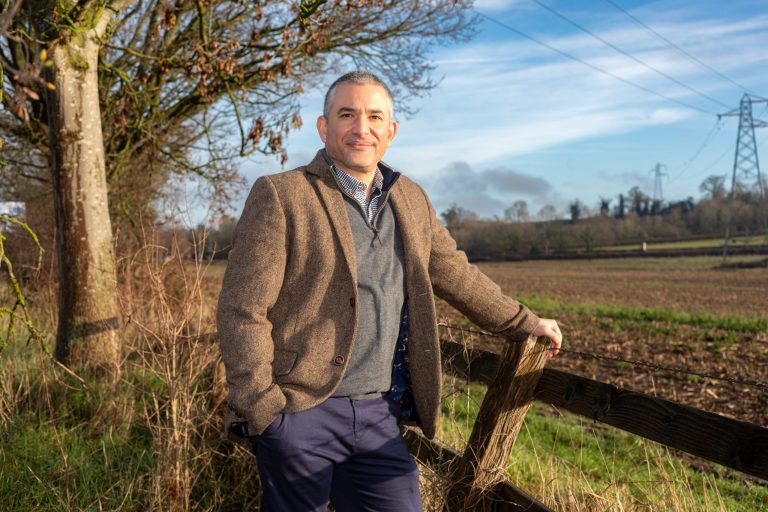
The homecoming marks a strategic play for mfg Solicitors’ Agriculture and Rural Affairs department. In an era when agricultural legal work grows increasingly complex—farm tenancies entangled with subsidy reforms, country estates navigating inheritance tax changes, rural businesses restructuring amid economic uncertainty—Harrison brings something rare. Private sector experience.
He first joined the firm as a trainee in 2006, working his way to associate level before departing for internal counsel roles. That corporate detour lasted more than 12 years, spanning everything from supermarket supply chain disputes to property management litigation. The knowledge accumulated there now returns to the firm’s nationally recognised agricultural practice.
“It’s a tremendous coup for us to have Neil back in the team,” said Alexandra Phillips, partner and head of the Agriculture and Rural Affairs department. “He carries immense respect in all corners of the agricultural sector and his experience will only add weight to our client offering.”
The timing matters. Agricultural law practices across the Midlands and beyond face mounting demand as landowners grapple with policy shifts and succession planning challenges. Harrison will work directly alongside Phillips from the Worcester office, handling farm tenancies, country estate matters, property transactions, and the sprawling legal needs of rural businesses.
What sets him apart, colleagues suggest, is the decade-plus spent inside companies rather than advising them from outside. At Farmfoods, Harrison navigated the relentless pace of retail operations, where legal advice must arrive quickly and land practically. At M Core, he dealt with property management complexities that often intersect with agricultural holdings.
“He knows the industry inside out and brings a rare private sector experience back to the firm,” Phillips added. “He is a first-class solicitor and clients are already working closely with him on a range of complex matters.”
That client work began almost immediately. Several matters were already in progress by the time Harrison formally joined as partner, suggesting the market had been anticipating his return. The nature of those instructions—described only as complex—remains confidential, though they span the department’s core specialisms.
For Harrison, the decision felt inevitable once the opportunity emerged. “I know the firm, it’s history and its values well, so when I had the opportunity to return it was an easy decision,” he said. “The team has an exceptional reputation for its advice to farmers and landowners not just in the Midlands, but across the whole UK.”
That reputation carries weight beyond regional boundaries. The Legal 500 recognises mfg Solicitors’ Agriculture and Rural Affairs team, a distinction that matters in a competitive market where farmers and estate owners increasingly seek specialist expertise. The team handles everything from agricultural tenancies to rural development projects, business structures to inheritance planning, and the disputes that inevitably arise.
Yet the broader agricultural legal landscape has shifted considerably since Harrison first trained at the firm two decades ago. Farm tenancy law has grown more contentious as land values climbed and generational succession complicated estate planning. Environmental regulations now intersect with nearly every rural property transaction. Diversification—converting barns to holiday lets, launching farm shops, installing solar arrays—creates new legal tangles.
Harrison’s corporate background positions him to navigate these commercial realities with unusual insight. In-house lawyers learn to balance legal perfection against business pragmatism, to translate complex advice into actionable strategy, to understand not just what the law permits but what makes commercial sense.
“It’s an exciting time to join an expanding team and alongside Alex and the team, I look forward to providing the best possible advice for our clients,” Harrison said.
That expansion reflects broader momentum at mfg Solicitors, which now operates across seven locations: Worcester, Birmingham, Kidderminster, Bromsgrove, the Black Country, Ludlow, and Telford. The geographic spread positions the firm to serve rural clients across the Midlands and Welsh borders, regions where agriculture remains economically significant despite urban encroachment.
The firm’s approach balances commercial, agricultural, and private client services—a portfolio that allows it to serve farming families across multiple legal dimensions. A single client might need business restructuring advice, property transaction support, and succession planning simultaneously. Harrison’s return strengthens the agricultural pillar of that offering.
What remains less clear is how Harrison’s specific experience at Farmfoods and M Core will translate into agricultural practice. Supermarket supply chains often involve agricultural producers, suggesting potential insight into commercial arrangements between farmers and major buyers. Property management experience could prove valuable as estates diversify income streams through letting arrangements.
Phillips suggested that expertise had already proven valuable in early client work, though she declined to elaborate on specific matters. Legal confidentiality aside, the opaque reference to “complex matters” hints at instructions that stretch beyond routine farm tenancy renewals or straightforward land sales.
For competitors in the agricultural legal market, Harrison’s appointment signals mfg Solicitors’ ambitions. Hiring at partner level costs more than promoting from within, suggesting the firm views this as a strategic investment rather than incremental growth. In a sector where personal relationships and trust determine client loyalty, bringing back someone with two decades of connections makes commercial sense.
Harrison’s circular journey also tells a broader story about legal careers. The traditional path—train at a firm, make partner, retire from that firm—has fractured in recent decades. Lawyers now move between private practice, in-house roles, government positions, and back again. Each transition adds perspective.
Whether that enriched perspective translates into better client outcomes will become clear over coming months. The agricultural legal market remains fiercely competitive, with national firms increasingly competing for work that regional practices once dominated. Success will depend not just on Harrison’s technical skill but on his ability to leverage those 12 years of corporate insight in service of farmers and landowners navigating unprecedented complexity.
By then, the Worcester office will likely be handling dozens of matters bearing Harrison’s name. Whether that work reshapes the firm’s position in the agricultural legal market remains to be seen. What’s certain is that the circle, after 12 years and two corporate roles, has finally closed.