
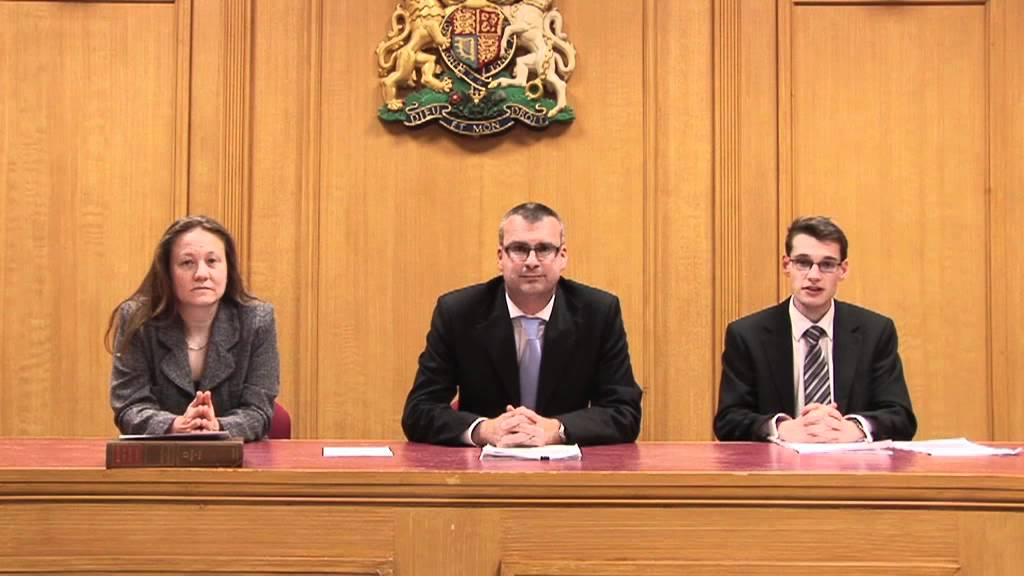

The first surprise for most people walking into a magistrates’ court is how ordinary it feels. No sweeping marble staircases, no hushed cathedral echo. Often it’s a municipal building tucked between a council office and a car park, with a security archway that beeps unpredictably and a waiting area that smells faintly of burnt coffee. The drama people expect from television rarely appears on schedule. Instead, the day runs on lists, folders, and names called slightly mispronounced.
Magistrates’ courts form the front door of the criminal courts system in England and Wales. Nearly every criminal case begins here, from minor public order offences to the first procedural steps in serious allegations like robbery or assault. The workload is heavy and relentless. Lists can stretch dozens of cases long, and efficiency matters as much as fairness. Proceedings are designed to move, not linger.
Most hearings are decided not by a single robed judge but by three magistrates — volunteers drawn from the community, trained and appointed, sitting as a bench. They are supported by a legal adviser who sits in front of them, quietly guiding on points of law and procedure. The adviser speaks often; the magistrates listen more than they talk. When a District Judge presides instead, the pace tends to quicken. One legally qualified decision-maker, fewer whispered consultations.
A typical morning list begins with what are called first appearances. Defendants confirm their name, address, and date of birth. Charges are read. Pleas are entered. Guilty or not guilty — a fork in the road that determines almost everything that follows. If the offence is minor and the plea is guilty, sentencing may happen within minutes. If it’s more serious, the case management machinery clicks into place: disclosure deadlines, trial dates, bail decisions.
Bail is one of the court’s most immediate and consequential choices. The bench weighs risk like a set of invisible scales: likelihood of reoffending, chance of failing to appear, danger to the public. Prosecutors outline concerns; defence solicitors counter with reassurances — stable address, steady job, family support. Conditions may be added: curfews, exclusion zones, reporting requirements. Occasionally, bail is refused, and the defendant is led downstairs to the cells. The shift in atmosphere is instant and sobering.
Summary offences — the least serious crimes — are dealt with entirely in this court. These include low-level assaults, minor criminal damage, motoring offences, shop theft. Trials here are called summary trials and happen without a jury. Witnesses give evidence a few metres from the bench. Cross-examination can feel blunt and direct. Legal arguments are shorter, less theatrical, more procedural. Decisions arrive quickly, sometimes after a brief retirement that lasts less than the lunch break.
Either-way offences sit in a middle category. These can be heard in a magistrates’ court or sent to the Crown Court depending on seriousness and complexity. Theft, burglary, and some drug offences fall into this bracket. Magistrates first decide whether their sentencing powers are sufficient if the defendant were convicted. If not, the case is sent upward. Even when magistrates accept jurisdiction, a defendant can elect trial by jury at the Crown Court. That choice is explained carefully, almost ritualistically.
The language of the room is its own dialect. “Allocation,” “mode of trial,” “adjournment,” “remand.” Regulars speak it fluently; newcomers look briefly lost. Lawyers develop a clipped rhythm — standing, speaking, sitting — like commuters tapping through ticket barriers. There is less speechmaking than people imagine. Much of the work is administrative justice: confirming service of papers, setting timetables, recording compliance.
Time behaves strangely inside these rooms. A contested trial might last two hours and determine a criminal record that follows someone for years. Another case might be over in ninety seconds — fine imposed, licence endorsed, next name called. The compression can feel unsettling, as if consequence is being measured with a stopwatch.
I once noticed how the magistrates watched a nervous teenage defendant more closely when he said “yes, ma’am” too quickly, as though politeness itself needed verifying.
Sentencing powers are limited but not trivial. Magistrates can impose fines that stretch into thousands, community orders with demanding requirements, and custodial sentences within statutory limits. For offences beyond their powers, they commit the defendant to the Crown Court for sentence. That moment is procedural, but it carries weight; everyone in the room understands the ceiling has just been lifted.
Procedure tries to balance speed with safeguards. Defendants have the right to legal representation, and duty solicitors hover near the courtroom doors, juggling last-minute instructions. Disclosure rules require the prosecution to share evidence. Interpreters are called when needed. Adjustments are made for vulnerability — screens, video links, intermediaries — though the system’s capacity is not endless, and delays creep in where resources thin out.
Magistrates themselves are not lawyers, and that fact often draws criticism and praise in equal measure. Supporters argue they bring community judgment and common sense. Critics worry about inconsistency and unconscious bias. Training is ongoing, and benches are mixed deliberately by age, background, and experience. Decisions are collective; votes are taken if consensus fails. Reasons must be given, even if briefly.
The courtroom choreography is restrained but revealing. Defendants stand unless told otherwise. Lawyers bow slightly to the bench on entry and exit. The usher manages movement like a stage manager with a seating chart. Members of the public can attend, though few do unless a case has local notoriety. Open justice exists quietly here, not as spectacle but as availability.
Administrative pressure shapes outcomes more than outsiders realise. Adjournments are granted or refused partly on fairness, partly on practicality — witness availability, custody time limits, overloaded lists. A missing file can derail a morning. A late-arriving officer can rearrange an afternoon. Justice, in practice, depends on trains running roughly on time.
Appeals from magistrates’ decisions do not vanish into bureaucracy. A convicted defendant can appeal to the Crown Court for a rehearing or challenge a point of law by way of case stated to the High Court. These routes are technical but real. The magistrates’ court is not the final word, though it is often the first decisive one.
By late afternoon, the waiting area empties. Security trays stack up. Legal advisers close files with elastic bands stretched thin from overuse. The day’s decisions — bail granted, fines ordered, cases sent on — ripple outward into ordinary lives. No cameras wait outside. No theme music plays. The system resets for tomorrow’s list, already longer than today’s.
