
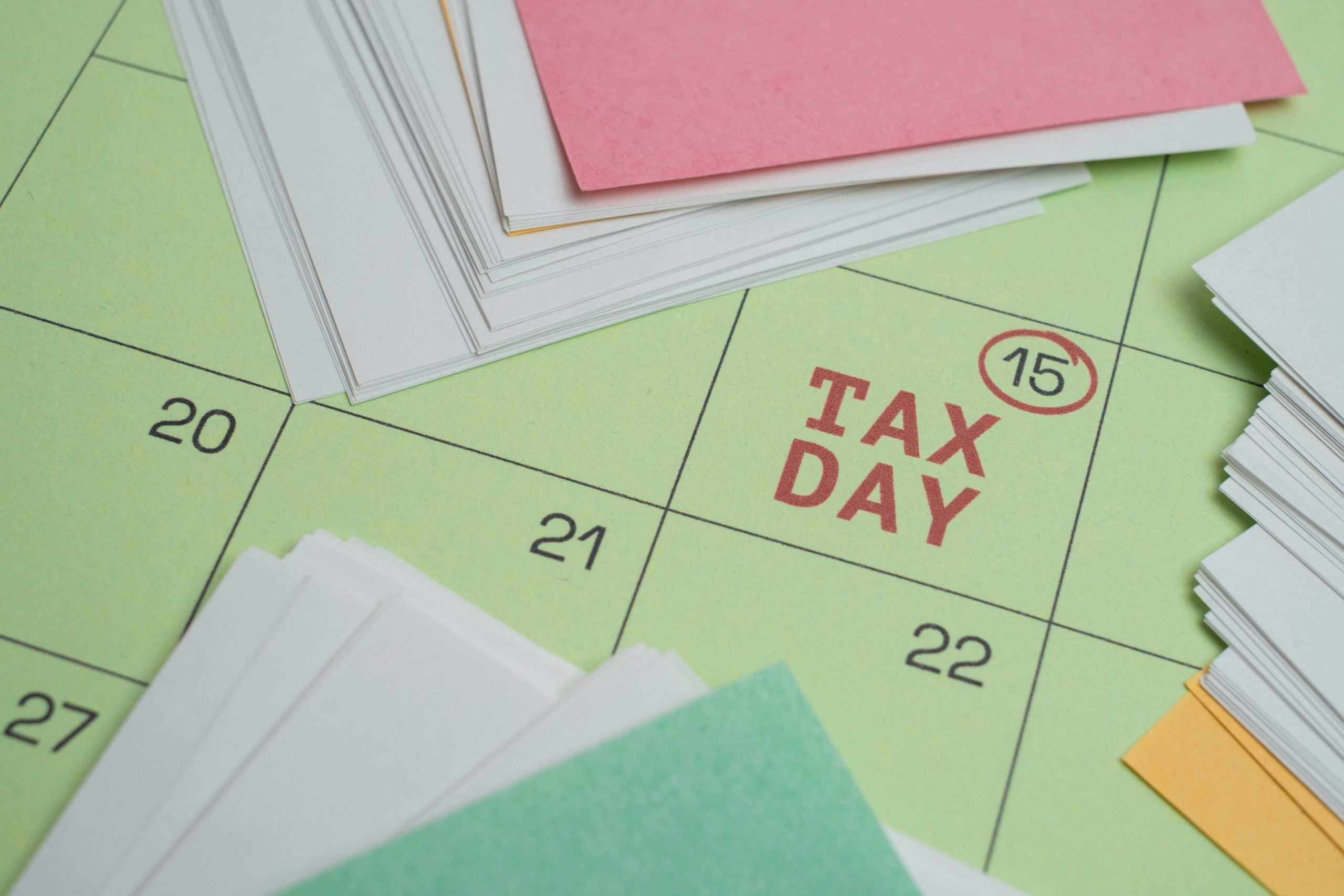

For many households across the UK, 2026 is shaping up to be another financially challenging year. While inflation may have eased slightly compared to previous peaks, a more subtle and often overlooked issue is continuing to erode disposable income: rising tax pressure.
Unlike headline-grabbing tax hikes, this pressure is largely driven by so-called “fiscal drag” — a process where tax thresholds remain frozen while wages increase. The result? Millions of people are gradually being pulled into higher tax brackets without any real increase in their spending power.
What Is Fiscal Drag and Why Does It Matter?
Fiscal drag occurs when governments freeze income tax thresholds while wages rise, often due to inflation or incremental pay increases. Although workers may technically be earning more, a larger portion of their income becomes subject to higher tax rates.
In the UK, income tax thresholds have been frozen for several years, and this policy is expected to continue through 2026. As a result, many workers who once fell comfortably within the basic rate band are now edging into higher rate territory.
This creates a situation where take-home pay does not reflect headline salary growth. In real terms, many households are seeing their disposable income shrink, even if their gross earnings appear to be increasing.
The Hidden Impact on Everyday Households
For the average UK household, the effects of rising tax pressure are being felt in subtle but significant ways.
Monthly budgets are becoming tighter, with more income being absorbed by tax before it even reaches bank accounts. This is particularly noticeable for middle-income earners, who are disproportionately affected by frozen thresholds.
At the same time, essential living costs — including energy, food, transport, and housing — remain elevated compared to pre-2020 levels. Even small increases in tax liability can therefore have a noticeable impact on financial stability.
Many families are finding that their ability to save is diminishing. Contributions to savings accounts, ISAs, and pensions are often the first areas to be reduced when disposable income tightens. Over time, this can have serious implications for long-term financial security.
Why Wage Growth Isn’t Solving the Problem
At first glance, wage growth might appear to offset these challenges. However, when viewed in context, the reality is quite different.
If a worker receives a pay rise that pushes them into a higher tax bracket, a significant portion of that increase is effectively lost to taxation. When combined with ongoing cost-of-living pressures, the net benefit of higher wages becomes minimal.
This is particularly frustrating for employees who feel they are progressing professionally but are not seeing a meaningful improvement in their financial situation.
The Squeeze on Savings and Financial Planning
One of the most concerning consequences of rising tax pressure is its impact on long-term financial planning.
Savings rates across the UK have begun to decline, as households prioritise immediate expenses over future goals. Pension contributions can suffer when individuals feel short-term financial strain.
This creates a potential long-term issue in which individuals may find themselves underprepared for retirement or unexpected financial shocks.
As costs continue to rise, many households are turning to a financial advisor to better manage their income, tax exposure, and long-term savings strategy.
Seeking professional guidance can help individuals identify tax-efficient ways to structure their finances, maximise available allowances, and make informed decisions about saving and investing.
Who Is Most Affected?
While fiscal drag impacts a broad range of taxpayers, certain groups are feeling the effects more acutely.
Middle-income earners are among the hardest hit, as they are more likely to be pushed into higher tax brackets without significant increases in real income. Families with dual incomes may also find their combined tax burden rising faster than expected.
Additionally, self-employed individuals and small business owners often face complex tax situations, making it even more challenging to manage rising liabilities effectively.
Younger professionals are not immune either. As they progress in their careers and begin earning higher salaries, they may quickly find themselves caught in the same cycle of increasing tax exposure and limited financial gain.
What Can Households Do?
While individuals cannot control government tax policy, there are steps they can take to mitigate its impact.
Understanding tax allowances and thresholds is a crucial first step. Making full use of tax-efficient vehicles such as ISAs and pensions can help reduce overall liability while supporting long-term financial goals.
Budgeting has also become more important than ever. Tracking income and expenditure can highlight areas for adjustment to maintain financial stability.
For many, proactive financial planning is key. Rather than reacting to financial pressure as it arises, taking a forward-looking approach can help households stay ahead of changing economic conditions.
For those unsure how to respond to rising tax pressure, speaking with a financial advisor can provide clarity on budgeting, tax efficiency, and long-term financial planning.
Looking Ahead
With tax thresholds expected to remain frozen and economic uncertainty continuing, the pressure on UK households is unlikely to ease in the short term.
Fiscal drag may not be as visible as rising prices or interest rates, but its impact is no less significant. As more individuals find themselves paying a greater share of their income in tax, the challenge of maintaining financial stability becomes increasingly complex.
Understanding the issue — and taking steps to address it — will be essential for households looking to protect their income and secure their financial future in 2026 and beyond.
