
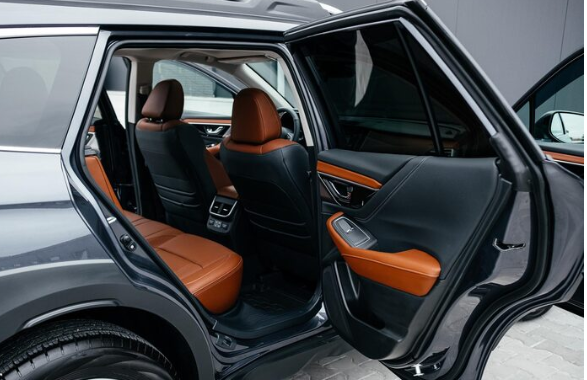

The majority of auto recalls have a very consistent pattern. A manufacturing flaw is found. After alerting authorities, the carmaker tells owners. A fix is created. The repair is handled by dealerships over a few weeks. With just slight inconvenience, owners are able to resume driving their cars. The 2025 Toyota Sienna recall deviates from this pattern, and the new class action lawsuit that was filed in federal court in California is based on the precise procedural error that set this case apart from the typical cycle.
Adam Hamblin and Juliet Kelsten, the plaintiffs, contend that although Toyota admitted the flaw, issued a recall, and recommended owners to stop using the second-row seats, the owners were left without a functional fix for several months. Toyota’s North American operations, the Indiana facility that produced the impacted cars, and its U.S. sales division are all named in the case.
| Hamblin et al. v. Toyota Motor Sales U.S.A. Inc. — Snapshot | Details |
|---|---|
| Plaintiffs | Adam Hamblin and Juliet Kelsten |
| Defendants | Toyota Motor Sales U.S.A., Toyota Motor North America, Toyota Motor Manufacturing Indiana |
| Filing Date | April 1, 2026 |
| Court | U.S. District Court, Central District of California |
| Case Number | 2:26-cv-03458 |
| Vehicle at Issue | 2025 Toyota Sienna |
| Production Window | January 14, 2025 to July 24, 2025 |
| Defective Component | Second-row seat rails (improperly welded) |
| Recall Status | Acknowledged by Toyota, no completed repairs yet |
| Reported Downtime | Over 80 days for some owners |
| States Sought for Class | South Carolina and Ohio |
| Causes of Action | Breach of warranty, unjust enrichment |
| Plaintiffs’ Counsel | Trinette G. Kent, Lemberg Law LLC |
| Federal Safety Body | NHTSA |
Like many major safety hazards, the flaw itself is unremarkable. The complaint claims that the 2025 Sienna’s second-row seat rails were welded incorrectly during production. Owners wouldn’t check the weld themselves. It performs the straightforward but crucial function of keeping the seat fixed to the ground while concealed inside the seat assembly. That weld plays a factor in determining whether a seat remains in place or separates under load in an accident. Toyota essentially admits the issue in its recall acknowledgement. The plaintiffs claim that Toyota has failed to create a repair solution and implement it in a timely manner that takes into account what owners genuinely require from a family car.
The NHTSA complaint cited in the filing best captures the owner’s experience driving this case. Eighty days without service. There is no way to fix it. There is no deadline for the resolution. This isn’t a small annoyance for a family who purchased a minivan because of its seating capacity. According to marketing, the Sienna is a family car.
Customers pick it because they frequently travel groups, have three or four kids, and require the flexibility of various seating arrangements. Telling those customers to just cease utilizing the second row essentially turns the car into a separate product that is far less useful than what they paid for. The scenario is familiar to anyone who has owned a minivan. It is not a luxury feature to have a second row. It is the main use case.
The complaint’s legal theories are simple and well-known. two types of warranty breaches. It is alleged that Toyota marketed cars that did not adhere to the express warranty terms and the implied merchantability statements. Unjust enrichment is based on the notion that Toyota was paid the purchase price for a product that did not have the features that the firm advertised.
The plaintiffs contend that if they had known about the issue at the time of sale, they would not have bought the cars or would have paid much less, using wording that anybody who has read consumer fraud filings will recognize. Here, the legal process is well-established. The size of the final class and the particular relief the court finds suitable are the interesting variables.
How this instance is interpreted depends on the cultural context. For many years, Toyota has built one of the most solid reputations for dependability in the world of automobiles. Toyota has frequently ranked among the best brands for long-term durability and quality control in surveys conducted by Consumer Reports, J.D. Power, and other comparable organizations. Since its launch in 1997, the Sienna in particular has been a mainstay of American family transportation.

Toyota has an exceptional level of customer trust thanks to the brand equity that has been developed over those years, and it’s possible that this trust is precisely what makes the current situation more difficult for consumers to accept. The way the case is written gives the impression that the plaintiffs’ attorneys are aware of the reputational dynamics at work. For many consumers, a Toyota flaw has greater emotional significance than the identical flaw in a less well-known brand. The difference in expectations is important.
It’s also important to comprehend the larger recall context. Over the past ten years, the number of recalls in the U.S. vehicle industry has steadily increased due to both regulatory pressure from the NHTSA and more advanced problem discovery techniques. The majority of these recalls are promptly resolved.
Some, such as the years-long Takata airbag recall that impacted tens of millions of cars, show how severely the system can malfunction when supply chain limitations impede prompt repair. Based on the information that is now available, the Sienna situation in 2025 appears to be in the middle of these two extremes. Toyota has admitted to the flaw. It’s just not ready for repair. In their filing, the plaintiffs ask whether owners should be forced to bear the cost of that delay without receiving any compensation.
