
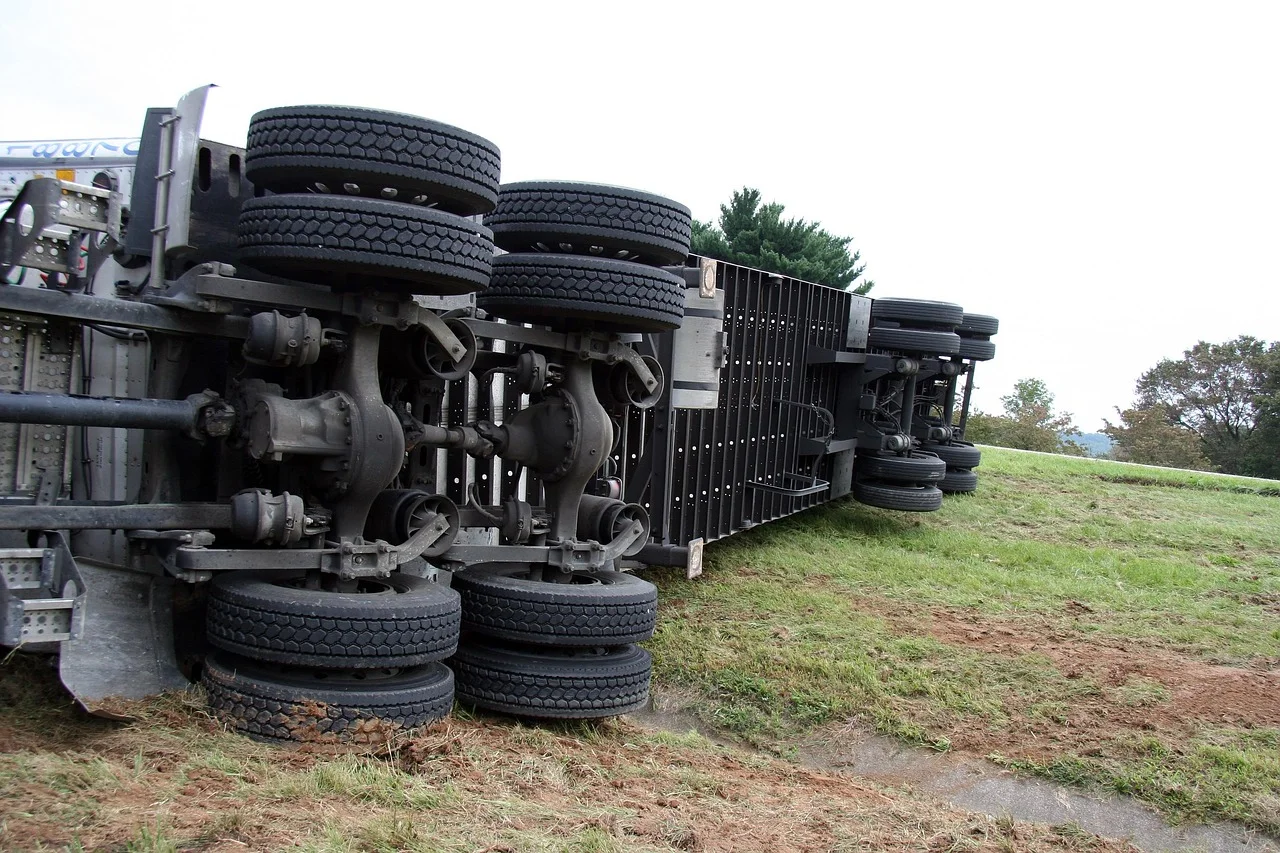

Most people never think about evidence until it’s gone. That’s the brutal reality after a truck crash on I-35 — the clock starts ticking before the ambulance even arrives. Electronic logging devices are just one piece of the puzzle, but they’re often the most powerful one. And if you’re piecing together assistance for truck accident claims, knowing what evidence exists — and where it disappears to — can mean the difference between real compensation and a lowball settlement you can’t refuse.
Here’s the thing: Texas sees some of the worst commercial trucking accidents in the country. The Federal Motor Carrier Safety Administration counted over 5,900 large-truck fatalities nationwide in 2023. Texas consistently leads those grim tallies.
The evidence that wins these cases? It starts disappearing within hours.
Why Evidence Moves Faster Than You Do
Picture this: A fully loaded 18-wheeler clips your car on MoPac during the afternoon rush. You’re dealing with paramedics, phone calls, adrenaline. Meanwhile, the trucking company’s insurance team — already on speed dial — is dispatching investigators to the scene.
That’s not paranoia. That’s standard operating procedure.
Insurance carriers deploy specialized response units within hours of serious crashes, not to help you, but to get ahead of damaging records. Electronic data from onboard systems? It gets overwritten during normal vehicle operation — sometimes within days. Surveillance footage from nearby businesses typically cycles out in 30 to 90 days. Federal rules only require trucking companies to keep certain maintenance records for six months.
Texas gives you two years to file. But your evidence window is weeks, not months.
The Black Box Nobody Talks About
Electronic Control Module data — what the industry calls the “black box” — records vehicle speed, brake application, and engine metrics in the seconds before impact. Unlike anything a witness says, this information is timestamped and objective. Hard to argue with. Harder still for insurance adjusters to wave away.
The catch? It can be overwritten during routine vehicle operation. Legal action to preserve it has to happen fast — sometimes within days of the crash.
Driver logs tell a different story. Federal law mandates detailed records of driving time, rest periods, and duty hours. Electronic logging devices replaced most paper logs, creating digital trails that are far more difficult to falsify than the old handwritten system. When a driver exceeds the 14-hour duty limit and then causes a crash, that’s not just a violation — it’s negligence per se under Texas law.
That matters enormously in court.
Where Liability Hides
Maintenance records are underrated. Trucking companies must document inspections and repairs according to federal standards, and when those records show deferred maintenance or a pattern of recurring problems — worn brakes, bad tires, recurring sensor faults — that evidence sticks.
Cargo loading records are another overlooked angle. Improperly loaded or overweight cargo changes how a truck handles and stops. Bills of lading, weight tickets, loading supervisors’ records — all of it can shift liability to parties beyond just the driver and carrier.
Texas adds another layer through its Commercial Vehicle Information Network, which tracks permits, routes, and compliance data. When trucks operate outside permitted parameters, insurance coverage can get complicated fast. That’s leverage.
The Corporate Shell Game
Here’s where it gets messy. The truck might be owned by one company, leased to another, and operated by a third — each with separate records and separate insurers. Finding all potentially liable parties early isn’t just smart; it’s necessary. Evidence held by any one of those entities can disappear into corporate structures designed, intentionally or not, to frustrate claimants.
Spoliation — the destruction of evidence — is taken seriously by Texas courts. But proving it requires moving immediately. A preservation letter sent within days of the accident creates legal obligations to retain records. Without it, “accidental” deletion gets a lot more defensible.
Building a Case That Holds
The strongest truck accident claims don’t rely on a single smoking gun. They layer evidence — ECM data showing excessive speed, maintenance logs revealing brake neglect, electronic logging records confirming the driver was over hours. Each piece reinforces the others. That combination is what makes insurance companies take settlement negotiations seriously.
Expert witnesses matter too. Accident reconstruction specialists, trucking industry veterans, medical professionals — they need to work together, not in isolation. A jury-ready narrative has to be clear enough for a non-expert to follow while being technically sound enough to survive cross-examination.
Worth asking: Does the evidence show a pattern, or just an isolated incident? A driver with recent violations, a company consistently deferring maintenance, repeated overweight loads — those patterns push cases toward punitive damages. They suggest reckless conduct, not just bad luck.
Fair compensation rarely comes from waiting. The families who recover the most tend to be those who understood early that evidence preservation wasn’t a legal formality — it was the foundation of everything that followed.
