

One piece of evidence. That’s often all it takes to flip a denied insurance claim into a real settlement. When someone gets behind the wheel drunk and hits you, getting solid legal advice after a DUI crash isn’t just smart — it’s how you protect yourself from a system that defaults to underpaying victims.
But here’s the thing: saying the other driver “seemed drunk” won’t cut it in a civil claim. You need proof. Documented, verifiable, hard-to-argue proof.
Police Reports: The Foundation of Everything
Law enforcement documentation is where almost every strong impaired driving claim begins. Officers are trained observers and impartial civil servants — their written assessments carry real weight with adjusters and juries alike.
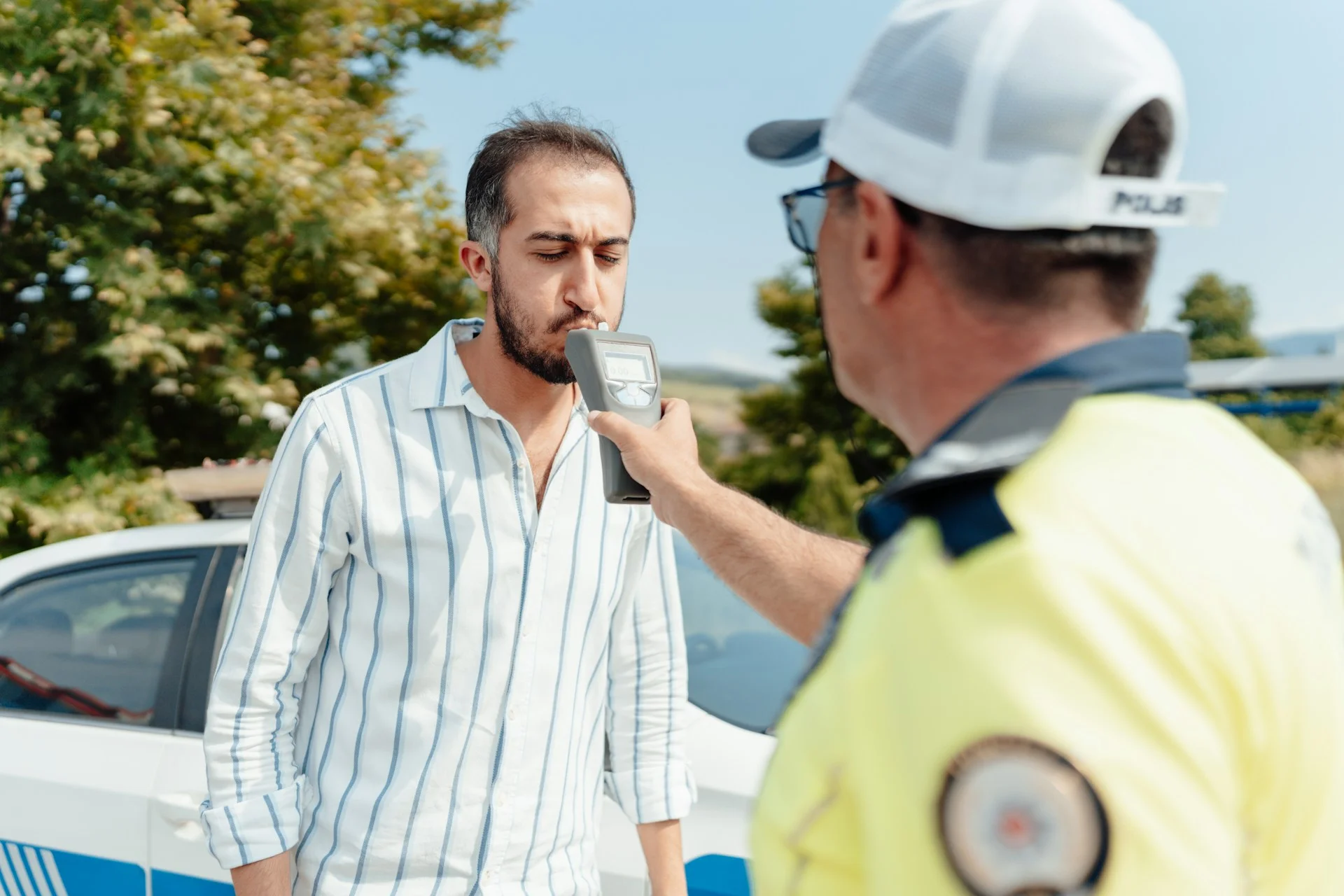
Chemical test results are the most straightforward piece of the puzzle. A blood test, breathalyzer, or urine sample showing BAC above the legal limit triggers something called negligence per se — essentially, the driver is automatically considered negligent because they violated a law built specifically to protect people like you. No gray area.
But chemical tests don’t capture everything. A responding officer’s narrative does.
Physical observations — slurred speech, bloodshot eyes, the smell of alcohol, trouble standing — get written into police reports in real time. Those details matter. If an officer issued a citation at the scene, that ticket becomes a serious piece of leverage in early settlement talks.
As one civil litigation attorney put it: “In civil cases, physical evidence and immediate police observations strip away the ambiguity. A documented BAC level shifts the conversation from whether the driver was negligent to how much compensation is fairly owed to the victim.”
Digital Evidence: Hard to Dispute, Even Harder to Destroy
Electronic data doesn’t lie. And in the current era of dashcams, surveillance networks, and onboard vehicle computers, it’s become almost impossible for defense teams to argue around.
Video footage — from a dashcam, a nearby business, or a traffic camera — can show exactly what happened before impact. Weaving, running lights, failing to brake. Secure this footage fast. Many systems overwrite automatically within days.
Modern vehicles also carry Event Data Recorders (EDRs), sometimes called black boxes. These internal computers log speed, steering input, and braking in the seconds before a crash. No braking at all? That often confirms what everyone suspects — the driver was asleep, severely delayed, or completely zoned out.
The data backs this up. Road safety research shows crashes involving heavily intoxicated drivers are roughly three times more likely to show zero braking or evasive action before impact compared to collisions with sober drivers.
Witnesses and Paper Trails: The Human Layer
Science and electronics tell one part of the story. People and receipts tell another.
Testimony from bystanders — passengers in other cars, pedestrians, shop workers — carries serious credibility. They have no stake in the outcome. Their accounts of erratic driving, reckless speed, or statements made by the intoxicated driver right after the crash can add real texture to your case.
Then there’s the paper trail. Time-stamped receipts from bars or restaurants can show exactly what the driver consumed in the hours before the wreck. Public social media posts and geotagged photos can place them at those locations, actively drinking — which directly undercuts any claim that they weren’t impaired until after the accident.
Organizations like Mothers Against Drunk Driving (MADD) have long pointed to this kind of digital and documentary evidence as a game-changer for victims seeking accountability. And they’re right.
Proving the Damage: Your Half of the Case
Here’s something a lot of victims don’t realize: establishing fault is only half the work. You also have to prove what the crash actually cost you.
Medical records need to link your specific injuries to the collision — not just confirm you were hurt. That means emergency room intake forms, diagnostic imaging (MRIs, CT scans, X-rays), surgical records, therapy notes, and a written prognosis from a specialist outlining what recovery actually looks like long-term.
On the financial side? Pay stubs, tax returns, and HR documentation track lost income and earning capacity. Every out-of-pocket expense — co-pays, prescriptions, adaptive equipment — belongs in a running ledger. Nothing should slip through the cracks.
The catch: insurance companies are very good at minimizing claims where documentation is thin. They’ll low-ball you. They’ll question your injuries. A solid paper trail is the difference between a fair recovery and walking away short.
Worth asking yourself: do you actually have all of this in order? If not, that’s where the work starts.
