

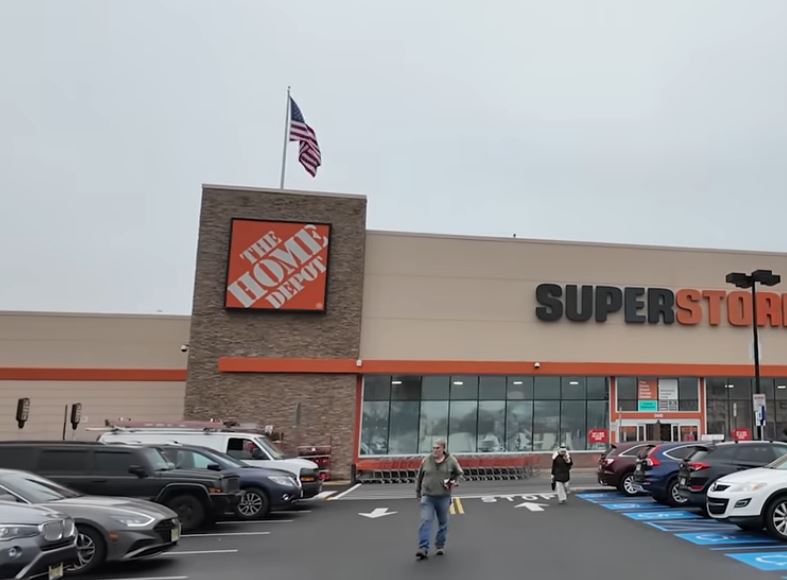
Walk into any Home Depot in California and the experience feels ordinary enough. Carts rattling across asphalt, employees in orange aprons, the familiar smell of lumber and fertilizer somewhere near the back. What most shoppers don’t notice — and what a new class action lawsuit says they were never supposed to know — is that the moment a vehicle pulls into the parking lot, cameras are already reading the license plate.
A proposed class action filed in California federal court in early May 2026 accuses Home Depot of running what the complaint bluntly calls a “covert surveillance operation.” The lawsuit claims the retailer has been using automated license plate recognition cameras, supplied by a company called Flock Safety, to capture vehicle data from every car entering or leaving its California store locations. That data — plate numbers, vehicle make, model, color, even distinguishing features — is then allegedly fed into a centralized, searchable database accessible to law enforcement agencies across the country.
It’s the scale of that sharing that seems to be at the heart of the complaint. Five California residents are named as lead plaintiffs. Their argument isn’t simply that cameras exist in a parking lot — surveillance cameras are everywhere now and most people understand that. The issue, as they frame it, is that Home Depot allegedly failed to follow California’s Automated License Plate Recognition Privacy Act, which sets specific requirements around how this kind of data is collected, retained, and shared.
According to the lawsuit, Home Depot’s ALPR policy didn’t identify a responsible custodian for the system, didn’t define how long the data would be kept, and placed no meaningful limits on which agencies — including federal ones — could access the information. The complaint also alleges there was no defined training program for employees handling the system and no clear mechanism for correcting errors. These aren’t technicalities. They’re the kinds of gaps that, in practice, leave consumers with no real visibility into what happens to data collected about their daily movements.
The Flock Safety connection adds a layer worth paying attention to. The lawsuit points to documented incidents in Mountain View and Ventura Counties where Flock apparently re-enabled nationwide data-sharing settings on cameras deployed by local law enforcement — without authorization from those agencies. That means vehicle data from California residents ended up accessible to agencies that were never supposed to see it. Whether that same dynamic applies to Home Depot’s vendor relationship with Flock is what the litigation is now trying to establish.
There’s also the question of misidentification. The complaint cites at least a dozen incidents where ALPR errors led to wrongful police stops — people confronted at gunpoint, or arrested, based on faulty plate reads. These aren’t hypothetical privacy concerns. For some people, this technology has already created real, serious harm.
Plaintiffs are seeking damages of at least $2,500 per person, along with punitive damages and injunctive relief. It’s still unclear how many California shoppers could ultimately fall into the class definition, but Home Depot operates dozens of locations across the state, and the alleged surveillance appears to have been ongoing for some time.
What makes this case feel significant is less the novelty of surveillance technology — license plate readers have been used by law enforcement for years — and more what it reveals about how private retailers are quietly integrating into that infrastructure. A hardware store isn’t a police department. It’s possible that many shoppers assumed their data stayed with the retailer, maybe used for loss prevention or parking management. The idea that it might flow into a nationwide law enforcement database accessible to federal agencies is a different thing entirely.
Home Depot has not announced any changes to its surveillance practices since the lawsuit was filed. The case is moving forward.
