

The Roberto Trejo murder sentencing concluded this week with an Arizona court imposing a 20-year prison term on a man who shot dead a 66-year-old retiree in a restaurant car park for no discernible reason, the Maricopa County Attorney’s Office has announced.
Trejo, born February 2004, pleaded guilty in April to one count of second-degree murder. He was 22 years old at the time of sentencing.
The Killing of Frank Vitale
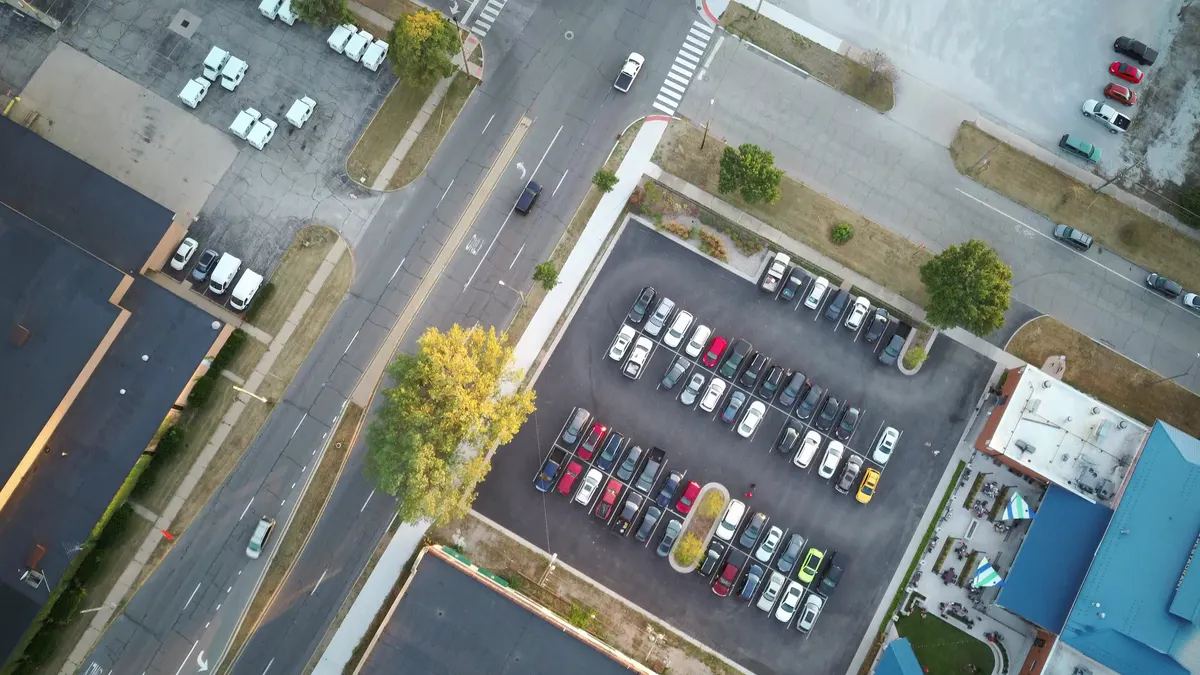
Shortly after noon on 14 October 2024, Frank Vitale finished lunch at the Number One Buffet, located near 99th Avenue in Avondale, a suburb just outside Phoenix, Arizona. He returned to his car in the car park.
Trejo walked up to the vehicle. Prosecutors described what followed in unambiguous terms: ‘Without warning, Trejo pointed a handgun through the window and shot Vitale before fleeing the area.’
Vitale, 66, was on the cusp of retiring and had plans to move to a new state. Investigators established that the two men were strangers. No motive has been identified.
Surveillance footage captured a man running from the scene and looking over his shoulder. Officers arrested Trejo approximately 45 minutes after the shooting; he was still carrying the handgun.
Roberto Trejo Murder Sentencing: Charges and Plea
Trejo faced multiple charges in connection with the killing. Under the terms of his guilty plea to second-degree murder, two further counts against him were dropped, AZFamily reported.
Second-degree murder was classified in this case as a Class One Dangerous Felony under Arizona law, according to the Grand Canyon Times. That classification carries mandatory prison time without the possibility of early supervised release during the custodial term.
Maricopa County Attorney Rachel Mitchell announced the sentence. Her office described the crime as a random act of violence against a man who had done nothing to provoke any confrontation.
A Life Cut Short Before Retirement
Vitale’s death has been described by those connected to the case as an act of senseless violence against an entirely innocent man. He had been preparing to leave employment and relocate, a transition that never came.
The location of the shooting, a busy suburban car park on a weekday lunchtime, underscored the arbitrary nature of the attack. 12News reported that Trejo had no prior relationship with the victim and that investigators found no evidence of a dispute, a robbery, or any prior contact between the two.
Arizona prosecuting authorities treated the case as a straightforward application of second-degree murder law: an intentional killing carried out without premeditation in the legal sense required for first-degree murder, but without any justification or mitigating connection to the victim.
Wider Context: Random Violence and Prosecutorial Response
Cases involving wholly random homicides present particular challenges for both investigators and prosecutors. The absence of a motive or prior relationship between perpetrator and victim removes the investigative pathways that typically generate early leads, yet in this instance, Trejo’s rapid arrest and the recovery of the weapon meant the evidentiary picture was quickly established.
The guilty plea avoided a jury trial and produced a determinate sentence. Under the Class One Dangerous Felony classification, Maricopa County courts apply sentencing ranges prescribed by Arizona statute, within which the judge exercises limited discretion. The 20-year term sits within that framework.
Mitchell’s office has emphasised the sentence as a measure of accountability in a case where the victim’s family had no prior warning and no opportunity to understand why Vitale was targeted.
Trejo will be in his early forties before he completes the custodial term, subject to any legal challenge to the conviction or sentence that may be pursued on his behalf.
