
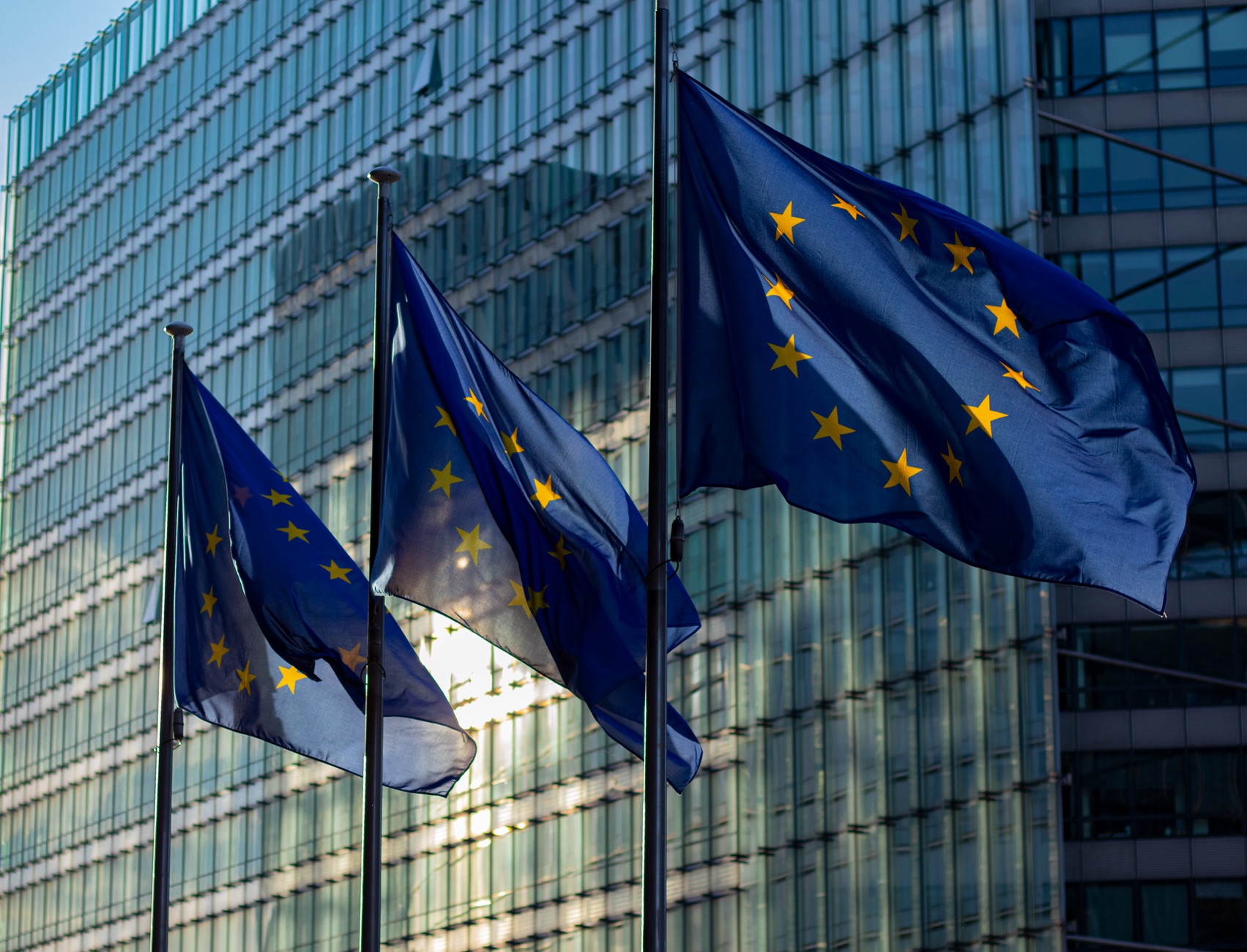

The European Union represents a massive 18 trillion euro economy, providing a stable and reliable environment for long-term growth.
However, many domestic companies struggle to navigate the diverse legal frameworks and linguistic barriers across 44 different nations. One might feel overwhelmed by the complexity of managing local labor laws while trying to scale operations effectively.
Let’s dive into the details and see the benefits of a European expansion.
Why Europe Is a Strategic Destination and the Benefits of Global Expansion
Europe offers access to 500 million high-spending consumers and an 18 trillion euro economy. Stability stems from unified legal frameworks and strategic diversification across 44 countries, providing a massive scale for revenue growth.
Tapping into a 500 million consumer base
European citizens possess significant purchasing power, with an EU average of 26,300 SPA per habitant. Across 44 countries, this wealthy demographic offers a vast market for premium products and services.
Expanding business internationally allows companies to find new revenue streams by entering diverse markets. Businesses can scale effectively by addressing the specific needs of various regional consumer groups throughout the continent.
Diverse demographics enable agile testing. This variety allows firms to run multiple product iterations simultaneously to refine their offerings.
Stabilizing revenue through economic diversification
European legal and regulatory frameworks provide businesses with a relatively stable and predictable operating environment. This consistency can help protect long-term investments and support day-to-day operations by reducing the risk of unexpected regulatory changes.
Expanding into European markets can also reduce a company’s reliance on a single national economy. By spreading operations across multiple EU countries, businesses can diversify their exposure and reduce the impact of an economic downturn in any one market.
With an economy valued at around €18 trillion, the EU represents one of the world’s largest and most established economic regions. Its scale and stability can provide a strong foundation for businesses looking to expand internationally, particularly when compared with the greater volatility that can occur in some emerging markets.
Ultimately, geographic diversification can act as a valuable safeguard for long-term growth. Expanding into Europe allows companies to spread risk, access new markets, and build a more resilient international business.
- Market Scale: Access to 500 million consumers in the EU alone
- Economic Power: A combined GDP of 18 trillion euros
- Risk Management: Diversification across 44 countries reduces market-specific shocks
- Legal Security: Harmonized regulations and strong intellectual property protections
Access to European Talent and Skills for International Business Expansion
Beyond the sheer market size, the primary driver for many firms is the sophisticated human capital found within European borders.
Recruiting specialized expertise in tech and engineering
Regional clusters, such as Germany’s manufacturing hubs and the Nordic tech sector, bring together highly skilled professionals and specialized expertise. These industry centers offer a concentration of talent that can be difficult to replicate in other markets, making them an attractive option for companies looking to expand internationally.
Local engineers and technical professionals also bring valuable knowledge of European standards, regulations, and quality requirements. Their understanding of regional compliance expectations can help businesses adapt products and processes more efficiently while meeting European standards from the outset.
European universities are another important source of highly skilled talent. Many institutions have strong programs in engineering, technology, research, and other specialized fields, producing graduates with the technical and analytical skills businesses need. Access to this talent pool can give expanding companies a strong foundation for innovation and long-term growth in European markets.
Fostering growth through multicultural perspectives
Diverse teams can strengthen problem-solving and encourage more creative thinking within an organization. Bringing together employees with different cultural backgrounds and experiences can lead to a wider range of ideas, more productive brainstorming, and new approaches to business challenges.
Language diversity is also valuable when entering new markets. Employees who understand the local language and communicate naturally with customers can build stronger relationships and create a more authentic connection with the market. Speaking a customer’s language can help establish trust and make a company’s products or services more relevant to local audiences.
Cultural inclusion can also support stronger business performance by helping organizations understand and respond to different market expectations. Diverse teams are often better positioned to recognize local trends, adapt to cultural differences, and navigate the complexities of international expansion. This flexibility can provide a meaningful competitive advantage as businesses enter and grow in new European markets.
Utilizing the EU Single Market as a European Market Entry Strategy
While talent provides the brainpower, the EU Single Market provides the structural engine that makes cross-border operations seamless. Understanding the benefits of global expansion for domestic businesses is the first step toward securing a competitive advantage in this wealthy market. By partnering with Europe HR Solutions, you can leverage the single market and specialized talent pools to ensure your international growth is both compliant and profitable.
Streamlining operations through the Union Customs
The removal of internal tariffs within the EU is a major advantage for businesses expanding across European markets. Goods can move between member states without customs duties on intra-EU trade, which can simplify logistics and reduce the costs and administrative burden associated with cross-border distribution.
The free movement of services also makes it easier for businesses to operate across multiple European markets. Depending on the service and the countries involved, companies can provide digital, professional, and other services across borders without having to establish a separate operation in every market. This flexibility can support a more consistent and efficient European market entry strategy.
Standardized processes and common market rules can further reduce operational friction for businesses operating across the continent. This is particularly valuable for small and growing companies that may not have extensive resources for managing complex international operations. A more integrated market allows businesses to plan expansion with greater predictability while focusing resources on growth.
Simplifying compliance with harmonized standards
Harmonized product standards across the EU can allow businesses to develop a product for a broad European market without making major changes for each individual country. This can reduce the need for costly regional modifications and make it easier to scale products as part of an international expansion strategy. In addition, simplified VAT processes in certain circumstances can help businesses manage their tax obligations more efficiently as they expand across borders.
EU-wide intellectual property protections also provide an important layer of security for businesses entering European markets. Regulations such as the General Data Protection Regulation (GDPR) establish clear requirements for handling and protecting personal data, helping companies manage sensitive information more consistently across countries.
Overall, harmonized standards can reduce the cost and complexity of regulatory compliance. When businesses can plan around clear and consistent requirements, compliance becomes a more predictable part of operating expenses rather than an uncertain challenge that changes from one market to another.
HR Considerations for European Expansion and Business Growth Through International Expansion
Even with a unified market, the human element remains deeply local, requiring a nuanced approach to employment and compliance.
Managing local labor laws and social protections
European countries maintain diverse rules regarding mandatory paid leave and weekly working hours. Each nation follows specific protocols for termination that businesses must respect. These frameworks differ significantly from the US “at-will” model.
Aligning employment contracts with national statutes is a fundamental requirement. Failing to do so leads to heavy fines. Local labor courts often favor the employee in legal disputes.
Addressing GDPR compliance risks is another vital step for any firm. Data privacy is a fundamental right in Europe that carries strict obligations. We must prioritize these requirements:
- Mandatory benefits
- Working hour limits
- GDPR data processing rules
- Notice periods for termination
Accelerating entry with Employer of Record services
An EOR handles payroll and manages compliance without the need for a local legal entity. This represents the fastest path for growing firms to execute a successful European market entry strategy while maintaining full compliance.
| Feature | Traditional Subsidiary | Employer of Record (EOR) |
|---|---|---|
| Setup Time | Several months | A few weeks |
| Initial Cost | High investment | Low cost |
| Compliance Risk | Internal management | External management |
| Flexibility | Low | High |
Summary
Onboarding speed is a major advantage as talent can be ready to work in new markets within weeks.
Expanding to Europe provides access to 500 million consumers, stable legal frameworks, and specialized talent hubs.
Leveraging an Employer of Record accelerates these benefits of global expansion for domestic businesses while ensuring compliance. Secure your competitive advantage now to achieve sustainable growth in the world’s most integrated economy.
Frequently Asked Questions (FAQ)
Why is Europe considered a strategic destination for global business expansion?
Europe represents a premier destination for growth due to its massive scale, encompassing nearly 500 million consumers within the EU and over 700 million across 44 countries. With a combined GDP of 18 trillion euros, the region offers a stable and reliable environment that allows companies to diversify their revenue streams and reduce dependency on single national markets.
Furthermore, the European market is characterized by high purchasing power and a sophisticated infrastructure. By establishing a presence here, businesses gain access to a unified legal framework that protects long-term investments while positioning their brand as a global leader capable of adapting to diverse consumer needs.
What are the primary benefits of accessing the European talent pool?
Expanding into Europe allows organizations to tap into a highly skilled and world-class workforce. The region is home to specialized industrial clusters, such as German engineering hubs and Nordic tech centers, which concentrate expertise in sectors like renewable energy, healthcare, and digital transformation. European universities consistently produce graduates with high technical proficiency and specialized research skills.
Beyond technical skills, the multicultural nature of the European workforce fosters innovation. Diverse teams bring varied perspectives that improve problem-solving and creativity. Additionally, having native-level linguistic variety within your team is essential for building trust and resonance with local customer bases across the continent.
How does the EU Single Market simplify international business operations?
The EU Single Market acts as a structural engine for seamless cross-border trade by ensuring the free movement of goods, services, capital, and people. This integration removes internal tariffs and border checks, which significantly reduces logistics costs and operational friction. For many firms, this means a single product design can often be sold across 27 member states without costly modifications.
Compliance is also streamlined through harmonized standards and unified regulations, such as single VAT registration and EU-wide intellectual property protections. While frameworks like GDPR are strict, they provide a clear and predictable set of rules for data handling, allowing businesses to operate with regulatory certainty across a vast economic area.
What are the essential HR considerations when expanding into Europe?
Human resources in Europe require a localized approach because labor laws vary significantly between countries. Unlike the “at-will” employment model common in the U.S., European nations have strict protocols regarding mandatory paid leave, working hour limits, and notice periods for termination. Failure to align employment contracts with these national statutes can result in substantial fines and legal challenges.
Data privacy is another critical pillar, as GDPR compliance is mandatory for protecting both employee and customer information. Companies must also navigate complex social protection systems and mandatory employer contributions, which makes local expertise vital for maintaining compliance and avoiding the pitfalls of a “one-size-fits-all” HR strategy.
How can an Employer of Record (EOR) accelerate market entry?
An Employer of Record (EOR) allows businesses to hire talent in Europe without the need to establish a local legal entity. This strategy is often the fastest route to market, as the EOR handles payroll, taxes, and local labor law compliance on behalf of the company. By using an EOR, businesses can onboard employees in weeks rather than the months typically required for traditional subsidiary setup.
This model provides significant flexibility and cost efficiency, particularly for companies testing new markets. It mitigates the risks associated with international hiring by ensuring that all contracts and benefits are fully compliant with local regulations, allowing the parent company to focus on its core growth objectives.
What are the typical costs associated with using an EOR in Europe?
The pricing for EOR services in Europe generally follows a flat monthly fee per employee, typically ranging from $400 to over $700 depending on the provider and the complexity of the local market. Some providers may offer lower rates for basic services, while established global players often provide more comprehensive support and owned-entity structures at a higher price point.
It is important to note that the EOR fee covers the administrative and compliance service but does not include the employee’s gross salary, social security contributions, or mandatory local benefits. Businesses should always request a detailed breakdown of the “Total Cost of Employment” to account for the specific taxes and employer contributions required in each European jurisdiction.
