

Seeing a self-described democratic socialist mayor adopt a stance that receives “kudos” from the editorial board of the New York Post is genuinely strange. However, due to Mayor Zohran Mamdani’s lawsuit to prevent $10,000 bonuses for paraprofessionals working in public schools, alliances have been rearranged in ways that seem almost purposefully confusing, and this is essentially where New York City finds itself this fall.
On the surface, the facts are straightforward. By a vote of 49 to 0, the City Council approved the RESPECT Check Act, an almost unprecedented degree of unanimity in New York City politics. The bill would provide a one-time workforce stabilization payment of up to $10,000 to about 25,000 school paraprofessionals, teaching assistants who primarily work with children with disabilities and typically start at $32,098 annually. It was not vetoed by Mamdani. He filed a lawsuit to prevent it from going into effect after allowing it to become law. It is worthwhile to analyze that series of events as a form of political calculation in and of itself.
Rather than being moral, the mayor’s argument is procedural. According to his administration, the City Council circumvented the collective bargaining procedure outlined in the Taylor Law, a New York State law that tightly regulates the negotiation of public sector employment terms.
City Hall claims that by enacting legislation that establishes compensation outside of negotiations, the Council is encouraging all public sector unions in the city to seek comparable side agreements, thereby transforming the legislature into a different forum for negotiations. That worry is not irrational. Cornell University collective bargaining professor Harry Charles Katz publicly stated that the strategy “bothers” him and could jeopardize a functional system. When a Cornell labor relations specialist concurs with a conservative think tank, it’s important to think carefully about whether the procedural complaint is legitimate.
Even so, it’s difficult to ignore the particular individuals who are being asked to wait. As UFT President Michael Mulgrew pointed out, the paraprofessionals at the heart of this controversy—mostly Black and Brown women—perform some of the hardest jobs in New York’s public schools.
Children with the greatest needs are supported by them. The maximum salary under the current contract is $54,541 after 15 years or more of employment. As a result of the public system’s inability to adequately serve children with disabilities, the city is expected to spend $1.5 billion next year sending them to private schools, partly due to its inability to retain paraprofessionals. The amount these employees are paid and the costs the city incurs as a result of the shortage are directly related. Even if Mamdani’s financial argument is sound legally, it is more difficult to emotionally accept in that context.
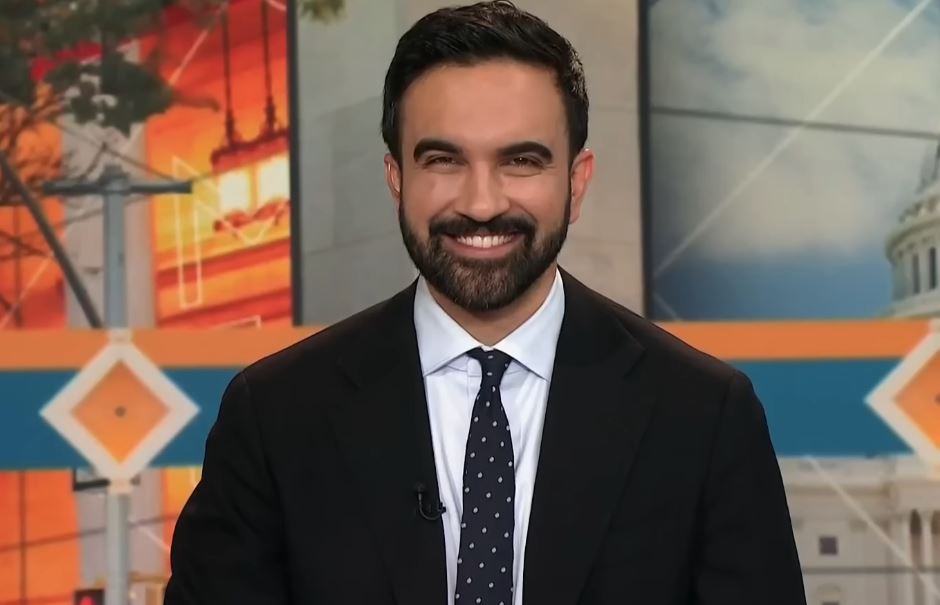
Together with the City Council, which is requesting that a judge of the Manhattan Supreme Court dismiss the mayor’s case completely, the United Federation of Teachers has filed a motion to intervene in the case. In the general election, the union supported Mamdani. Mulgrew was clearly frustrated when he said, “This administration must keep its promises, and we won’t stop until it does.”
For its part, the mayor’s office maintains that the administration wants to give paraprofessionals permanent raises, but only after following the right procedures. The lawsuit was presented by spokesperson Matt Rauschenbach as shielding employees from political short cuts that don’t ensure long-term outcomes.
Both claims—that the Council’s strategy was legally dubious and that the mayor’s choice to file a lawsuit rather than work out a quicker solution shows a certain rigidity—may be true at the same time. According to the Citizens Budget Commission, the law would cost the city about $325 million. That’s actual money. However, the political cost of being the progressive mayor who prevented the public school system’s lowest-paid employees from receiving raises is also real and likely more difficult to account for on a spreadsheet.
The Zohran Mamdani union pay lawsuit is worth watching more for what it reveals about the challenging math of governing as an idealist than for the legal outcome, which will be decided by the courts. Solidarity is the foundation of campaigns. Budgets don’t.
