

More radioactive waste is stored in a flat, sun-bleached area of Eastern Washington than almost anywhere else on the planet. Located along the Columbia River close to Richland, the Hanford Nuclear Reservation produced plutonium for the nation’s nuclear weapons program for many years. The development of weapons ceased with the end of the Cold War. It turns out that neither the cleanup efforts nor the lawsuits did.
Hanford has a lengthy legal history that could fill multiple filing cabinets. It covers a wide range of topics, including worker illness, contractor fraud, and federal transparency violations, and new cases continue to surface. A delivery driver filed a $10 million wrongful death lawsuit in 2026 alone, and a contractor agreed to pay $3.45 million to resolve fraud claims. Anyone who has followed Hanford closely will not find either case particularly shocking. Perhaps the most disturbing aspect is that.
In a formal sense, Bradley W. Peterson was not a nuclear worker. From 1982 until 1998, he drove deliveries for Western Paper on a regular route for a few hours each week, stopping at different contractor locations on the site. He drove through the 300 Area, where research reactors had been run and uranium had been machined into fuel rods. He went by the 400 Area, where a test reactor operated for ten years until 1992. Years later, controlled explosives were used to demolish buildings in those areas.
At the age of 73, Peterson passed away at Richland’s Kadlec Regional Medical Center in September 2023. His liver and bones had been affected by the cancer. His estate is currently suing the Department of Energy for $10 million, claiming that the federal government neglected to alert him to the risks he was facing on those routine, unremarkable delivery routes.
A detail buried in the lawsuit itself is what makes that case noteworthy. For Hanford employees who were exposed to hazardous chemicals and radioactive materials and subsequently developed cancer, the federal government runs a compensation program. The lawsuit claims that the program itself is proof that the government was aware of the risks associated with the location for a considerable amount of time. Peterson is probably not eligible for the program because he is a delivery driver rather than an employee. The workers’ compensation program in Washington State is comparable, but it necessitates an eight-hour shift on a radiological site rather than a man making rounds for a few hours every week. Perhaps this gap was never properly taken into consideration. Perhaps it was just never a top priority.
The fraud case is a distinct thread of its own. Early in 2026, Hanford Mission Integration Solutions, a site contractor, agreed to pay the Department of Justice $3.45 million in response to accusations that management had neglected to stop employees from recording hours they never worked and billing the government for them. At Hanford, this type of case has a familiar rhythm.
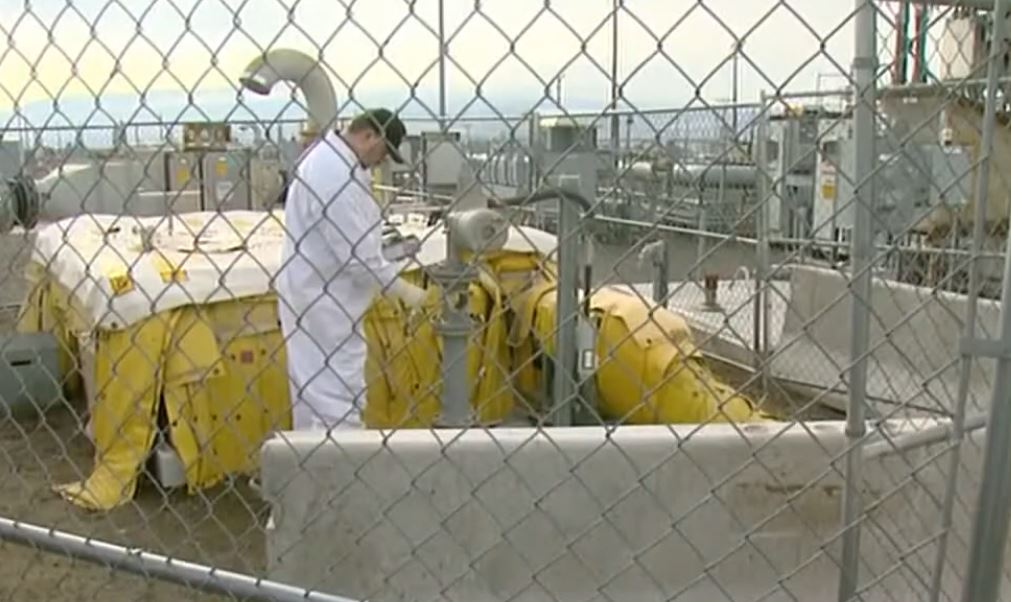
The Waste Treatment Plant, a facility being built to process and treat the radioactive waste currently sitting in 177 aging underground tanks, was the subject of False Claims Act allegations back in 2016. Bechtel and AECOM paid a total of $125 million to resolve these allegations. There were accusations of using federal contract funds to lobby Congress for ongoing project funding and billing the government for materials that did not meet nuclear quality standards. That case was brought forward by three project employees who were whistleblowers.
The arc of worker safety lawsuits is grimmer and slower. After about 20 years of documented reports, studies, and internal warnings about toxic vapors escaping from those underground tanks, the Attorney General of Washington filed a lawsuit against the DOE in 2015.
Over fifty workers were exposed to the vapors during a two-month period in 2016. More than 1,500 volatile compounds, many of which are known carcinogens, have been connected to lung disease, nerve damage, and several types of cancer. In 2018, the state and DOE finally came to an agreement that resulted in $925,000 in cost recovery and legally binding commitments regarding the testing of new vapor-capture technology. At the time, Attorney General Bob Ferguson stated unequivocally that none of this should have required a lawsuit.
The sheer volume of these cases makes it difficult to avoid feeling that there is a structural flaw in Hanford’s management as well as in the way accountability is truly upheld at a site of this magnitude. Thousands of people show up every day to perform challenging and truly dangerous work, the cleanup effort is real, and the funding is substantial.
However, the litigation pattern, which includes cases involving fraud, cancer, vapor exposure, and now FOIA transparency violations, points to a company that reacts more quickly to legal pressure than to red flags. It’s unclear if that will change before the next lawsuit is brought.
