
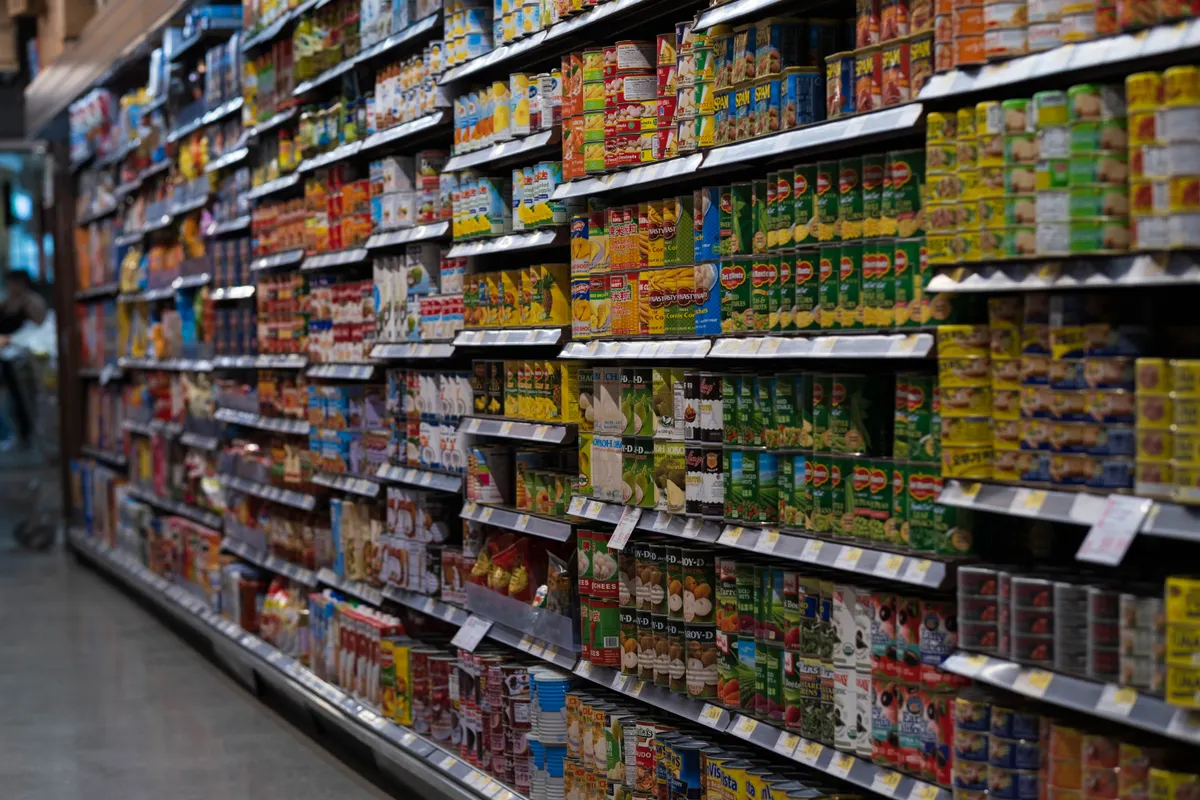

Immigrant-owned shops in East Harlem at the centre of the dispute over NYC grocery store fines say they have been hit with a surge in sanitation penalties since speaking out against Mayor Zohran Mamdani’s plan to open city-owned supermarkets, with some business owners alleging the enforcement is a form of retaliation.
Shop owners report receiving multiple tickets in quick succession, sometimes for rubbish they say is not theirs. Individual penalties have reached as high as $1,000, with others costing hundreds of dollars per notice.
The NYC Grocery Store Fines Allegation
The Multicultural Business Coalition, a not-for-profit body representing approximately 50 chambers of commerce and thousands of business members, claims the fines increased sharply after its members began canvassing door-to-door to build opposition to the grocery programme. The group was formed earlier in 2026.
The city’s Department of Sanitation (DSNY) has rejected the suggestion of any targeting, saying it issues cleanliness notices across the city as part of routine enforcement.
The allegation sits uncomfortably alongside a separate policy commitment from the same administration. In January 2026, Mayor Mamdani signed Executive Order 11, directing seven city agencies, including DSNY, to inventory their fees and civil penalties and recommend reductions, as part of an initiative called ‘OPEN for Small Business’ comprising over 50 reforms to cut red tape for small operators.
Two Lawsuits, Not One, and a Third From a Supermarket Chain
The coalition has filed not one but two separate actions in New York State Supreme Court. According to Patch, the first seeks class-action status and alleges civil rights violations under state law and the equal protection clause of the New York Constitution. The second challenges the city’s authority and planning process, arguing that no ‘study and proper review’ of competitive impact was conducted before the programme was announced.
Attorney Mark Jaffe, general counsel for the coalition and president of the Greater New York Chamber of Commerce, is leading the legal effort. The Guardian reports the coalition argues smaller stores would be unable to match discounts offered by city-subsidised competitors and would therefore be put out of business.
A third lawsuit, distinct from the coalition’s two actions, was reported by the New York Post on 8 September 2026. C-Town Supermarkets, located at 809 Southern Boulevard, is identified as the plaintiff in that action, which alleges unfair competition.
What the City Is Actually Planning to Build
According to the NYC Mayor’s Office, the first East Harlem location will be a 9,000-square-foot store constructed on an empty lot at La Marqueta, along Park Avenue between East 111th Street and East 119th Street beneath the Metro-North viaduct. The city will own the land and cover overhead costs including rent and construction. A private operator, selected through a request for proposals, will manage daily operations and will be contractually required to pass savings to customers on a core basket of everyday staples.
The New York Post reports the East Harlem store alone is estimated to cost $30 million, with city Economic Development Corporation officials having taken prospective bidders on a tour of the site in August 2026.
Across the full programme of five planned stores, Progressive International reports the administration has allocated $70 million in capital funds. The city argues the programme will save shoppers over $1,000 annually and address food insecurity affecting an estimated 1.5 million New Yorkers. When Mayor Mamdani announced the plan’s details on 27 July 2026, CNN reports he cited grocery prices having risen by approximately 30% over recent years, and pointed to two markets in Manhattan and Brooklyn operating on a comparable model that had not harmed nearby bodegas.
Business opponents dispute that comparison. The Multicultural Business Coalition, whose members include hundreds of small grocery owners across the city, contends city subsidies will make fair competition structurally impossible for independent operators.
On the question of timing, Time reports the first city-owned store overall is projected to open in the Bronx in late 2027, with the La Marqueta site in East Harlem expected to follow by 2029. The retaliation claims, and the three sets of legal proceedings now running in parallel, will almost certainly be live well before the first checkout opens.
