

The PlayStation Store has a button labeled “Buy Now.” Without giving it much thought, millions of people have clicked it, tapping their card information, waiting for the download bar to fill, and believing that the game in their library is theirs. It turns out that Sony has a very different perspective on that transaction.
Four California-based gamers filed a proposed class action lawsuit against Sony in June 2026, claiming that the PlayStation Store deceives consumers by using terms like “Buy Now” and “Confirm Purchase” without clearly stating that the transaction only grants a revocable license rather than actual ownership. The lawsuit makes reference to California’s AB 2426, which was signed into law by Governor Gavin Newsom in 2024 and expressly mandates that sellers of digital goods notify customers when they are obtaining a license instead of purchasing something they actually own. Additionally, unless those disclosures are prominently displayed at the point of sale, the law prohibits the use of terms like “buy” and “purchase” for licensed goods.
Resident Evil Requiem, NBA 2K25, and Five Nites at Freddy’s 4 are just a few of the common games mentioned in the complaint. Nothing unusual. The plaintiffs claim that because they thought they were buying a permanent item, they paid more than they otherwise would have. In addition to arguing that “reasonable consumers would not be misled” by the store’s language, Sony’s late August motion to dismiss goes so far as to suggest that true digital ownership isn’t actually possible because, in contrast to a physical disk, a digital game can be sold to multiple people at once and cannot be resold or passed along.
When you sit with it, it’s an odd argument. In essence, Sony is arguing that since digital goods operate differently from physical ones, the idea of ownership just doesn’t apply, and as a result, nobody should expect it. However, Sony’s own marketing has frequently referred to digital purchases in terms of ownership, which this framing conveniently avoids.
In response to the publicity surrounding the lawsuit, a consumer rights wiki gathered at least 44 instances in which Sony itself used the terms “own” or “owned” in relation to purchases of digital libraries. It’s difficult to look at that list without raising an eyebrow now that it’s circulating through gaming forums.
Sony reminded PlayStation owners via a mass email shortly after submitting its motion that digital games are licensed rather than bought. Many observers saw that email’s timing, immediately following the legal filing, as a combination of a legal precaution and an acknowledgment that the store’s current language wasn’t adequately conveying this. It remains to be seen if a judge will view it that way.
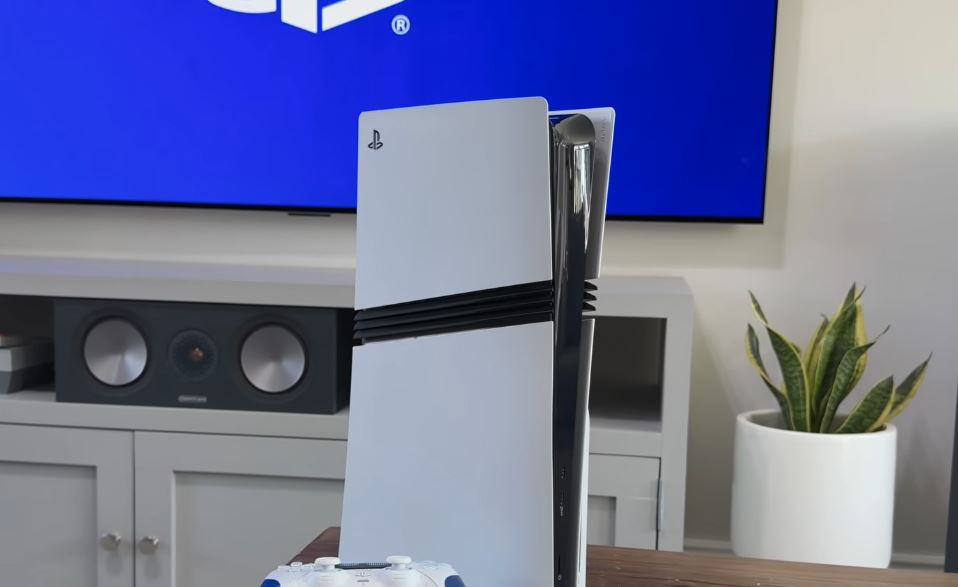
Observing all of this, it seems as though the lawsuit is about more than just four individuals and their game libraries. The foundation of the digital gaming industry is the idea that consumers don’t mind licenses as long as no one calls them purchases. That assumption seems less certain in light of Sony’s intention to phase out physical PlayStation game disks beginning in 2028.
The license is all you have when the disks are gone, and it can be suspended, games removed from libraries without warning, and its terms altered. In the Reddit comments pertaining to this case, a number of players mentioned that games had silently vanished from their stored libraries without any notification or reimbursement from Sony.
Legislators in California identified this gap, which is why AB 2426 exists. The law isn’t drastic; it doesn’t require businesses to provide source code or permit resale. It simply states that if you are selling a license, make it clear at the point of sale, when the buyer is choosing whether or not to spend their money. That makes sense. Sony’s claim that rational customers already comprehend this conflicts with a store user interface that has never made this clear.
Whether the court will permit the case to proceed as a class action or direct plaintiffs toward individual arbitration—a path that Sony’s terms of service actively promote—is still up in the air. A related lawsuit alleging that GameStop violated the same California law is still pending in court. Neither case is progressing quickly. However, many people’s perceptions of what “Buy Now” really means are already shifting as a result of the discussion they’ve sparked.
