
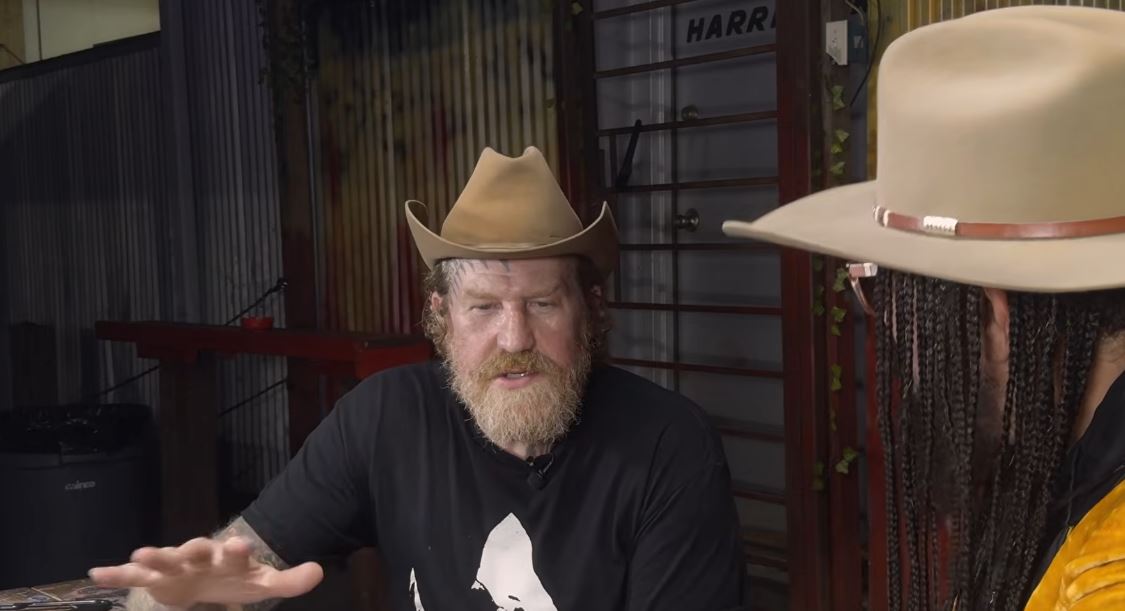

In the late 1990s, Atlanta-based Brent Hinds co-founded Mastodon. He contributed to the formation of one of the most genuinely bizarre, technically fierce bands heavy metal has produced in a generation; this is the kind of band that fans lost their minds in mosh pits across two continents while critics praised them in reputable publications. His name now mostly appears in the context of a civil lawsuit filed in Fulton County Court, Georgia, which is startling and a little depressing. As of September 2026, about a year after Hinds passed away at the age of 50 in a motorcycle accident, that is the current situation.
About five months prior to his passing, in March 2025, Hinds had left the group. It was not a quiet split. The remaining members, drummer Brann Dailor, guitarist Bill Kelliher, and bassist Troy Sanders, made friendly public remarks wishing him well, but Hinds himself voiced complaints on social media, sometimes angrily, until his last days. It appears that a formal contract was written but never signed to buy out his ownership interest in the band and its merchandising businesses. The paperwork was still sitting somewhere unfinished when he left.
Following his passing, the band sent a $80,000 check to his estate, ostensibly offering to buy out all of his interests. The estate refused to cash it. The lawsuit claimed that there was more to the issue than just the number. The reason for this was that the band did not offer any financial accounting to back it up. There were no computations or explanations of the figure’s true meaning. The estate’s stance is fairly simple: Hinds contributed to the creation of something over the course of almost 20 years, and any buyout should represent the true value of that something rather than a round figure stated without supporting documentation. The estate seemed to believe that the check was intended to close a door rather than resolve a genuine issue.
The cover of Marrow Deep, Mastodon’s first album since Hinds’ death, is also contested in the lawsuit, which was filed on September 3. Three Greek mythological figures, known as the Fates, are depicted in the artwork of the record. One of these figures, depicted in skulls, is said by the estate to be a recognizable likeness of Hinds. He was not involved in the album’s recording. According to the estate, the band used his identity for commercial purposes to promote an album without getting permission from the people who are now his legal representatives. In online forums, Mastodon’s supporters have retaliated, characterizing it as a tribute rather than exploitation. In essence, the estate’s response is that both statements are possible and do not negate each other.
If the financial dispute hadn’t already arisen, the likeness issue might have remained minor. Together, however, the two assertions create a more comprehensive argument: Mastodon cannot claim Hinds’ identity when it benefits them financially while at the same time discounting his contributions when it comes time to determine how much he is owed. Even though fans who interpret the artwork as a genuine act of grief may find it uncomfortable, that is a logical legal and moral stance.
The Mastodon in the Room, a 35-minute documentary that the band released, featured candid discussions about Hinds, including allusions to his alcoholism, which the estate claims he chose not to discuss while he was still living. This disclosure is criticized in the lawsuit. Mastodon probably thought they were being truthful about a difficult time. However, there is a genuine conflict between a family’s desire to preserve the intimate aspects of a deceased loved one and a band’s freedom to tell its own story.
In response, Mastodon declared the lawsuit to be without merit and vowed to vigorously defend themselves. They framed that silence as a way to pay tribute to Hinds‘ memory and added that they had no intention of talking about it further. That’s an intriguing stance that might also be strategically advantageous from a legal standpoint. In a statement, the estate requested sympathy, pointing out that since the lawsuit became public, Hinds’ family had been subjected to online harassment.
The fact that the underlying loss is genuine on all sides makes this challenging for anyone observing from the outside. The band spent the majority of their adult lives performing music with Hinds, with whom they grew up. In their documentary, the sorrow seems real. A $80,000 undocumented check is a thin accounting for a founding member’s share of a band with Mastodon’s catalog and commercial presence, and the estate is correct. It is possible for both of those statements to be true simultaneously. Now, they simply need to be resolved in court, which is probably not where anyone had anticipated this would end up.
