
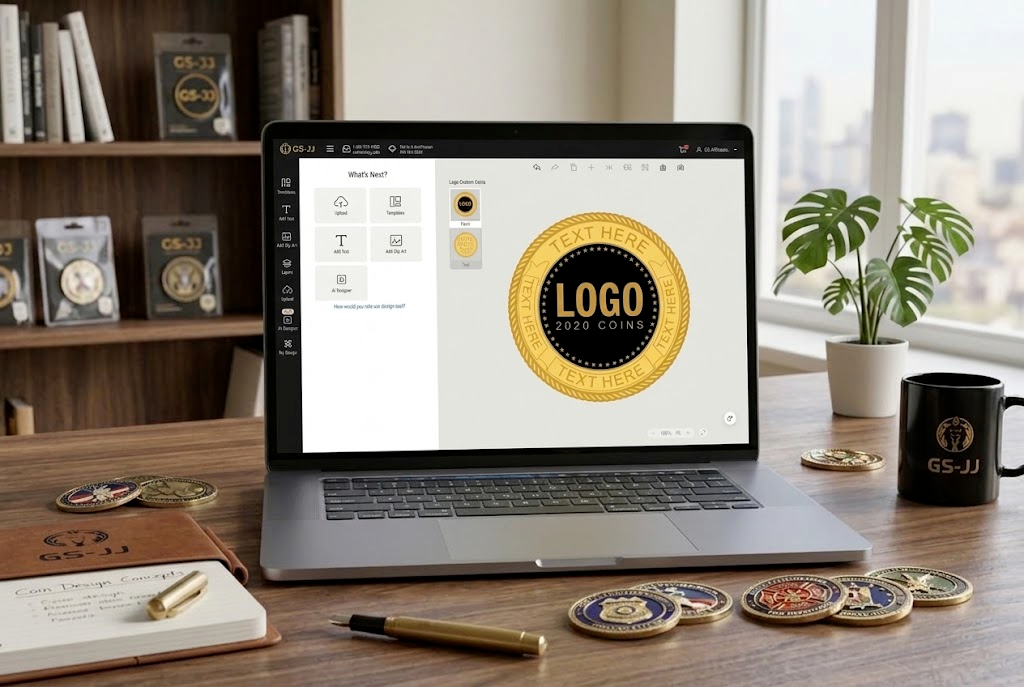

Custom police challenge coins and pins often include department names, badges, logos, slogans, and other identifying designs. These elements help identify the department or organization associated with each item, but using them in custom products can also raise questions about ownership and permission, particularly when the items are made for a police department or another organization.
Before ordering custom products, buyers need to know who owns the artwork and whether they have the right to use it. They should also check that the design does not give the impression that an organization has approved or sponsored the product when it has not. The legal issues involved will vary depending on the artwork, the rights attached to it, and the way the product is used.
Understanding Trademark and Copyright Rights in Custom Designs
In the U.S., trademarks can include words, phrases, symbols, designs, or a mix of these elements that help distinguish one company’s products or services from another’s. The protection a trademark receives depends on how it is used and the goods or services it represents.
Copyright law addresses a different issue. Original artwork, illustrations, and other qualifying visual works may receive copyright protection once they are fixed in a tangible form. However, not every name, slogan, symbol, or simple design qualifies for copyright protection. A design may also raise trademark questions even when copyright does not apply.
An image found online isn’t automatically free to use on custom products. If buyers plan to use someone else’s artwork on coins, pins, or other merchandise, they should find out whether permission is needed from the copyright owner. Checking the image’s license before ordering is also important, since some licenses don’t allow the artwork to be used on products sold to customers or for promotional purposes.
Legal Considerations for Police Logos and Insignia
Police-themed products may come with a few legal concerns. Official badges, department names, seals, and other insignia aren’t always free to use. Restrictions can vary from one agency to another, depending on the design and how it will be used.
Under Section 701 of Title 18 of the U.S. Code, certain unauthorized uses of official insignia associated with federal departments and agencies are restricted. The law should not be assumed to apply in the same way to every state or local police emblem. Other federal laws, such as 18 U.S.C. § 716, address certain uses of public employee insignia and uniforms. Whether these laws apply depends on the specific item and circumstances.
The intended use of the product also matters. Coins or pins made for an authorized department event may raise different issues from items sold to the general public. Buyers should also check that a design does not suggest that a law enforcement agency has officially issued, approved, or endorsed the product if that is not the case.
Before placing an order, buyers should identify the organization represented by the design, find out who owns the artwork or insignia, and check whether permission is needed. If the requirements are unclear, a U.S. intellectual property attorney can help explain which rules may apply.
What Buyers Should Consider Before Ordering Custom Products
A few practical steps can help buyers identify potential issues before production begins.
Check usage rights. Before adding a third-party logo, image, or official insignia to custom merchandise, buyers should make sure they have permission to do so. An image being available online does not mean it is free to use on products.
Review the design before production. Before signing off on the final proof, take a close look at the names, text, colors, dimensions, proportions, and logo placement. A digital proof can help catch mistakes in the design, but it doesn’t confirm who owns the artwork or whether you have permission to use it.
Keep project records. Retain relevant licenses, written permissions, approved artwork, and correspondence about design specifications. These records can help clarify the parties’ responsibilities and document the terms agreed upon before production.
These steps are general procurement considerations, not a guarantee of legal compliance. The applicable requirements will depend on the design, its intended use, and the relevant laws.
Design Tools and Custom Coin and Pin Production
Finalizing the design and product details ahead of time can help keep production on track. Before placing an order, buyers should go over the main specifications with the supplier, such as the size, quantity, finish, packaging, and any changes they want made to the design.
GS-JJ provides an online design tool for custom pins and police challenge coins. Customers can choose from ready-made templates, try out ideas with AI-powered features, and make changes to the design before sending it to production.
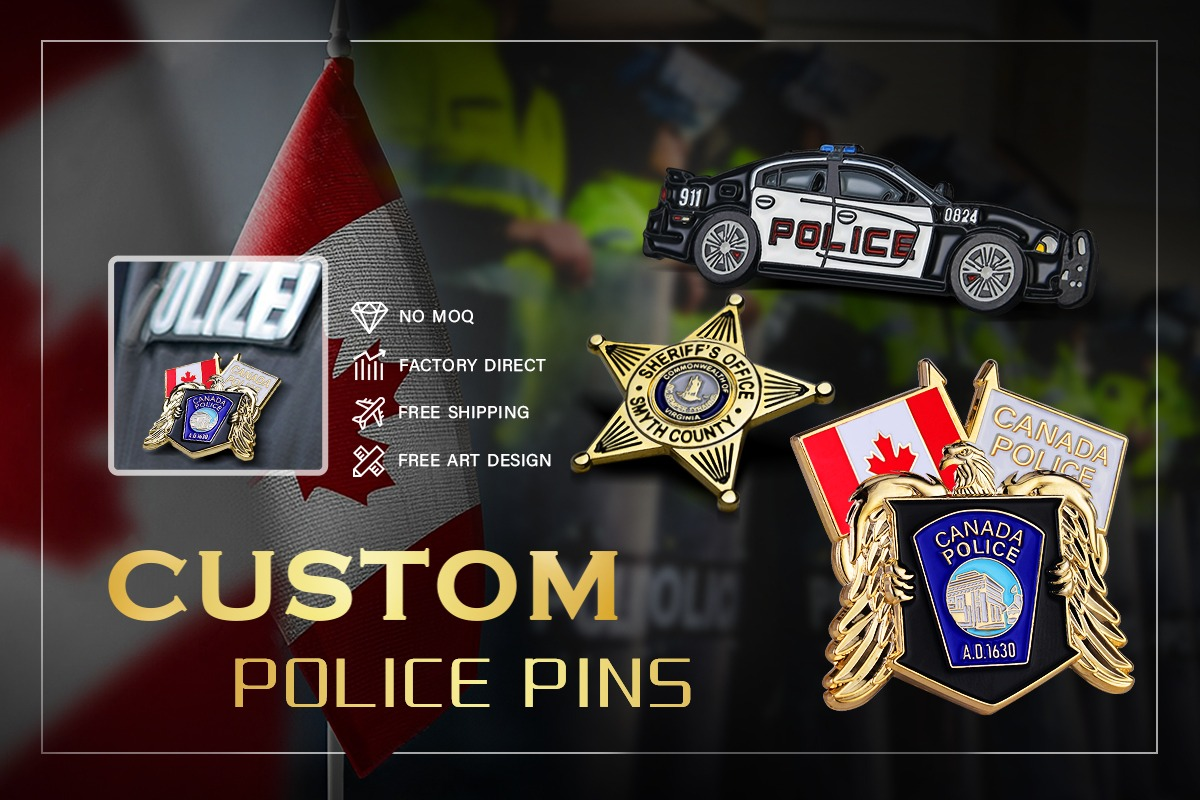
These tools make it easier to work on a design, but they don’t give customers ownership of someone else’s artwork or permission to use protected logos and official insignia. Before placing an order, customers should make sure they have obtained any permissions needed for their intended use.
Documenting the final specifications and design approvals can help prevent misunderstandings and unnecessary revisions. Before making payment, buyers should review the quotation and order summary to ensure that all agreed customization details are accurately recorded.
Clear Agreements and Supplier Responsibilities
Before placing an order, buyers and suppliers need to work out a few things, especially when a product uses a company logo or artwork created by someone else. For example, they should know who will send the design files, who will handle any permissions needed to use the artwork, and how changes to the design will be confirmed before production.
The agreement can also cover who owns newly created artwork, how design files may be used, and whether either party needs to keep certain information confidential. If the design uses third-party logos or other protected materials, both sides should make clear who is responsible for getting permission to use them.
It helps to put these details in writing so both sides know what they are responsible for. If a dispute comes up later, how it is resolved will depend on what happened, what the two parties agreed to, and which laws apply.
Conclusion
Designing custom police challenge coins and pins involves more than choosing colors and artwork. Depending on how the products will be used, buyers may also need to consider trademark and copyright issues, permission to use official insignia, and whether the design could give people the wrong impression.
Before placing an order, buyers should check where the artwork comes from, make sure any necessary permissions are in place, review the final design, and confirm the production details. Good communication between the organization, buyer, and supplier can help catch potential problems early. If a specific legal issue comes up, however, it is best to seek advice from a qualified lawyer.
