
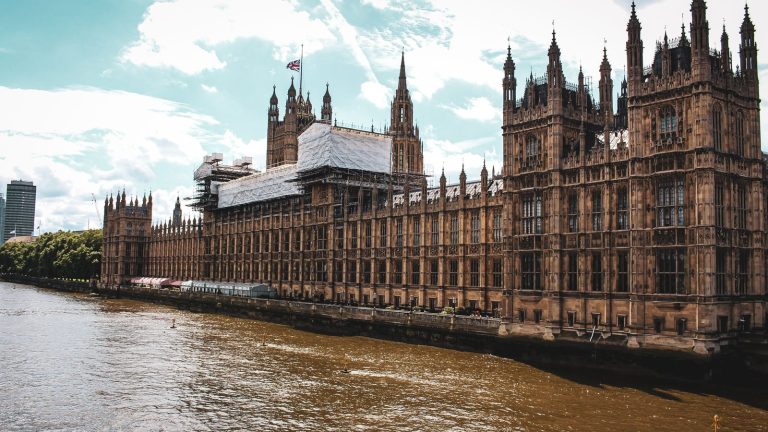
Lord Moynihan of Chelsea’s Lords private member’s bill, before Parliament as of 19 November, would bar professional regulators from penalising off-duty expressive conduct and restrict mandatory political, ideological or social training.
The Regulated Professions (Freedom of Speech) Bill [HL] would also impose a duty of neutrality on regulators. If enacted, most of it would come into force 12 months after the day the Act is passed (section 8(2)), and it would extend to England and Wales, Scotland and Northern Ireland (section 8(1)).
The Bill does not name any regulator. Section 7 defines “regulator” by reference to section 19 of the Professional Qualifications Act 2022 and includes any regulator listed on the Regulated Professions Register maintained by the Department for Business and Trade.
Off-duty conduct and the burden of proof
Under section 2(1), a regulator must not take adverse action for off-duty expressive conduct unless the conduct falls within a list of exceptions in section 2(3).
Adverse action includes refusing, suspending, revoking or restricting registration, imposing a fine, condition, undertaking or reprimand, starting or continuing an investigation or hearing, and publishing a complaint or finding (section 2(2)).
The exceptions cover threats or acts of physical violence against an identifiable person, breaches of fiduciary duty, misuse of position intended to cause harm, conduct that would be a sexual offence under Part 1 of the Sexual Offences Act 2003, and conduct for which the professional has been convicted of an imprisonable offence or one materially relevant to fitness to practise.
A regulator relying on an exception must establish it “beyond reasonable doubt” (section 2(4)).
Section 2(5) provides that a third party’s assertion of offence, inconsistency with an equality, diversity and inclusion policy, or an apprehension of disrepute do not in themselves count as exceptions. Under section 2(7), conduct stays protected even if it is “offensive, controversial, mistaken or unpopular”.
Section 2(6) makes it immaterial whether the conduct took place before, during or after the period of registration.
Training and neutrality duties
Section 3(1) would stop a regulator requiring education or training as a condition of registration, renewal, or resolving a proceeding in the professional’s favour, unless it directly relates to professional competence or ethics and is proportionate to that matter.
Regulators could not require instruction in “unconscious bias or implicit bias of any kind”, or in diversity, equity, inclusion or a similar policy “as a body of doctrine” (section 3(2)). Where permitted training touches political, historical, social or cultural matters, the professional must be allowed to record dissent without adverse consequence and cannot be required to affirm a belief they do not hold (section 3(4)).
Section 4(1) bars a regulator from assigning value or blame to any person, or giving preferential or adverse treatment, by reference to protected grounds, which include political belief.
Breaches would include adopting targets, quotas or preferences in admission to or progression within a profession by reference to a protected ground, and treating the holding of a particular view on such a ground as professional misconduct (section 4(4)).
Section 5 provides remedies where a court or appeal body finds a contravention. They include exemplary damages where the contravention was deliberate, repeated or institutional (section 5(1)(b)(iv)).
A court must also make an indemnity-basis costs order for a successful claimant unless it considers there are exceptional reasons not to (section 5(2)).
Where the Bill stands
The Bill was ordered to be printed on 11 June. Lord Moynihan was placed 18th in the Lords private members’ bills ballot held on 15 May, which allocates the order in which the first 25 such bills are introduced; his Bill was scheduled for introduction on 11 June, Parliament said.
Private members’ bills are proposed by individual members of the Lords rather than the government.