

Few people stop to think about how much of daily life is shaped by legal language. We encounter contracts, terms and conditions, or even a parking fine notice, and yet the words can feel like a foreign dialect. Legal terms, precise and sometimes arcane, are more than jargon—they carry consequences that can affect homes, finances, and freedom. Understanding them is not just for lawyers; it’s a quiet armour in a society built on rules.
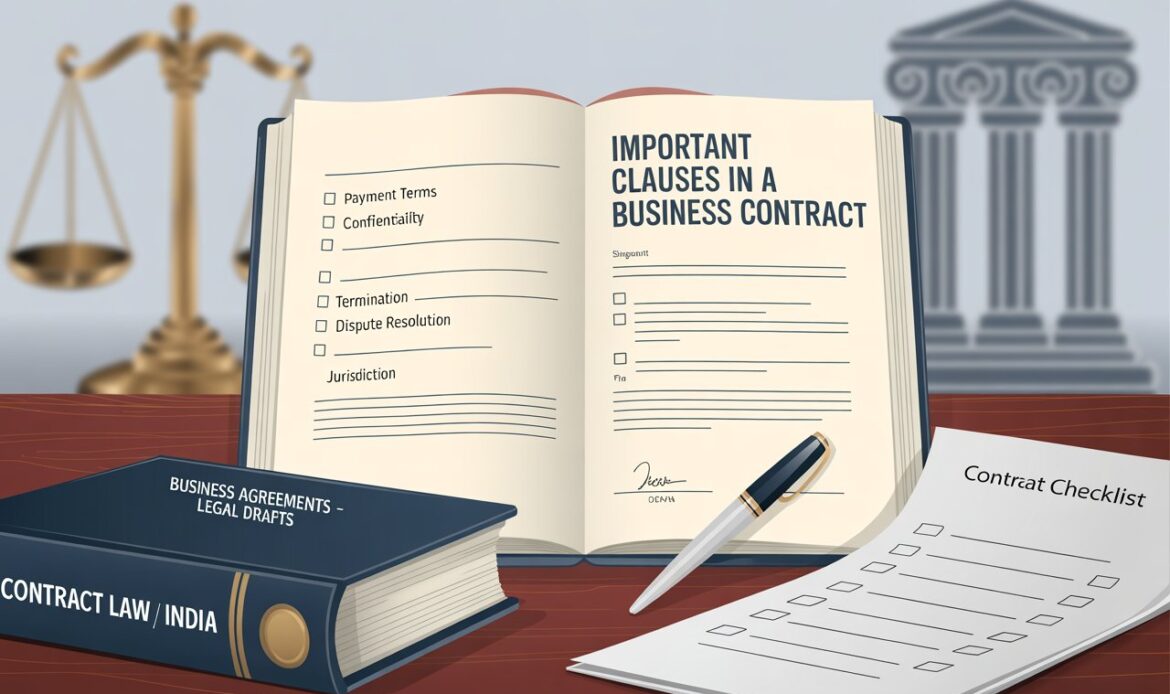
Take “contract,” for instance. Simple in concept: an agreement between parties. Yet the subtleties are endless. An unsigned email confirming a business deal can be interpreted as a binding contract in UK law. The boundaries of consent, offer, and consideration are all there, quietly shaping everyday decisions. I once watched a small café owner struggle through a contract dispute over a delivery agreement, realising later that a simple clause he hadn’t questioned carried months of obligations. The details matter.
Then there’s “tort,” a term that trips up even seasoned readers. Unlike criminal law, torts exist in the civil sphere, dealing with harm or loss rather than punishment. Negligence is the most familiar example: failing to act with reasonable care. One afternoon, a neighbour’s leaking gutter caused damage to a car. The ensuing discussion about liability wasn’t abstract; it was about accountability and making things right. Liability itself is another cornerstone. It’s the word that whispers accountability, whether in an office, on the road, or in a product recall.
Probate opens a door to another dimension of law: death and inheritance. It’s procedural, formal, and often overlooked until it matters most. Executors must navigate wills, assets, and creditors, sometimes confronting family disagreements. Courts intervene with meticulous care, ensuring the deceased’s wishes align with statutory requirements. Understanding probate can make grief slightly less complicated, a small clarity amid the chaos.
Injunctions feel dramatic on paper—courts ordering someone to act or refrain from action—but they are more than spectacle. They can halt construction, prevent publishing confidential material, or protect vulnerable parties. I remember sitting in a public gallery during a case where a conservation group sought an injunction against a developer. The air was thick with tension, anticipation, and the sudden realisation that law can physically shape landscapes and communities in real time. The gravity of it made me note silently to myself just how quietly pervasive legal authority can be.
Statutes are the scaffolding of legal systems. Passed by Parliament, these laws cover broad areas from companies to consumer protection. They are public yet intimidating, written with exactitude to prevent ambiguity. A single misread section can change business strategy or invalidate a claim. Precedent complements this statutory framework, a principle that courts build upon decisions made years or decades ago. Legal reasoning accumulates, shaping expectations and outcomes. When Donoghue v Stevenson first articulated the modern concept of negligence, the ripple effects were immense, touching businesses and households alike, often in ways people barely notice.
Glossaries like this one are essential, not merely as study tools but as practical guides for daily life. The law operates in layers: statutory, common, civil, criminal, and procedural. Each term is a key to a different layer, a way to navigate contracts, claims, or court proceedings without being overwhelmed. Understanding legal language can reduce anxiety in disputes, empower informed choices, and, in subtle ways, preserve independence.
Even beyond the courtroom, these terms shape narratives. News articles about legal battles, parliamentary debates, or corporate decisions rely on them. A misinterpretation can alter public perception or investor confidence. It’s no exaggeration to say that being familiar with key legal terms can be as consequential as reading a contract thoroughly before signing it. Law is often invisible until it touches your life directly, and by then, it may already be too late to clarify misunderstandings.
Reading through these definitions, one realises how much legal awareness intersects with ethics, responsibility, and civic participation. Each term has a story behind it—precedent cases that became cultural touchstones, statutes born from historical pressures, injunctions that preserved communities. They are as much about human behaviour and societal expectations as about rules and regulations.
Legal literacy is not a lofty ideal; it is practical. Knowing when a contract binds, understanding your liabilities, or recognising the weight of probate matters can prevent unnecessary conflict. It also fosters confidence: to question, negotiate, or act within a framework that might otherwise seem opaque. In a subtle way, the law invites participation, and with a basic glossary at hand, that participation is less daunting.
The more one reads, the more the law reveals its dual nature: both rigid and responsive. It is structured, codified, and exacting. Yet it reacts, evolves, and interprets human behaviour in constantly changing contexts. The terms themselves—contract, tort, liability, probate—are anchors in this shifting sea, each one a handle to grasp, a tool to navigate complexities. Familiarity is a kind of quiet security, and understanding is the first step toward exercising it effectively.
