
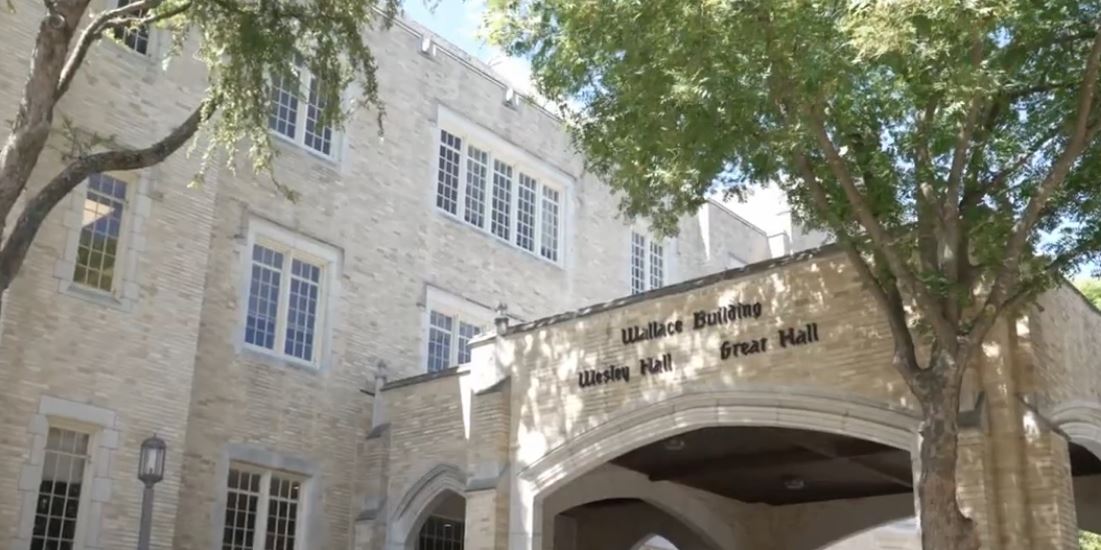

One of Rev. Paul Rasmussen’s remarks sticks in your memory. He cites Jesus alerting his disciples to impending trouble before noting, with what seems like real suffering, that the trouble typically comes from those you care about. It’s a strange beginning for a lawsuit. However, this is a unique circumstance.
One of the most well-known churches in Dallas, Highland Park United Methodist Church, was sued in August 2026 by the Horizon Texas Conference of the United Methodist Church. The case focuses on modifications HPUMC made to its articles of incorporation and corporate bylaws in 2022, which the conference now alleges were a covert attempt to break denominational ties. According to the church, reading about events is, in Rasmussen’s own words, “lunacy.”
The legal wrangling isn’t what makes the Highland Park UMC lawsuit statement worth carefully reading. It depicts a congregation that was doing far more than its share by any quantifiable standard. HPUMC has given United Methodist organizations more than $6.2 million and $5.5 million in apportionments since 2022, the exact year under dispute.
Over the years, it started 41 UMC churches, more than any other conference partner. It runs a free disability ministry that is accessible to all churches in Horizon, Texas. Following the conference’s declaration that two churches were essentially dying, HPUMC intervened, rebuilt them, and in one instance returned Munger Place UMC as a gift, which is now prosperous, well-funded, and prepared to carry on its mission.
Even though HPUMC was getting ready to file a lawsuit, the conference accepted its most recent apportionment payment in August. It is difficult to overlook that detail, which is subtly buried in Rasmussen’s statement.
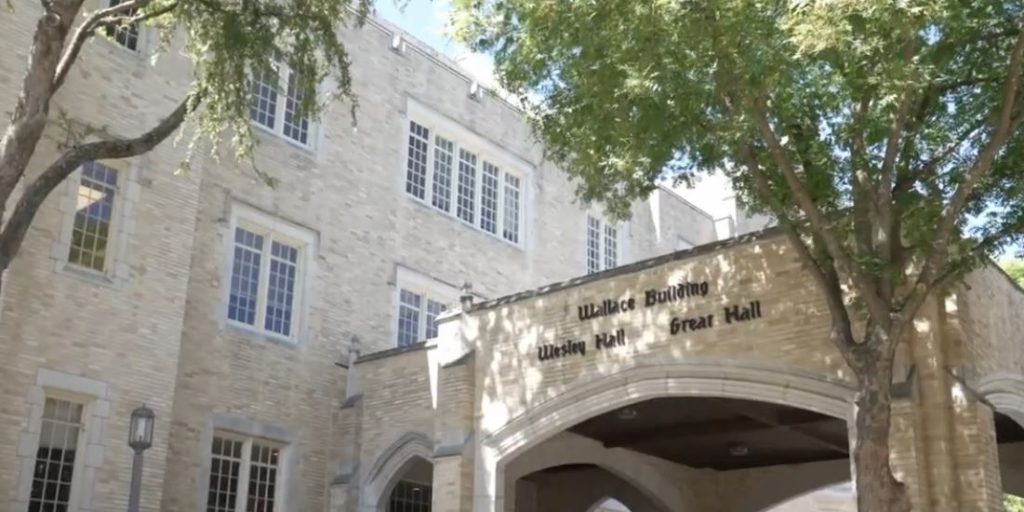
Even though the church’s justification for the 2022 document changes created a communications gap that may have invited trouble, it is legally sound. A 2020 Texas Supreme Court decision made it evident that a church’s legal protections could be weakened by religious language included in corporate documents. As more than 7,600 congregations were leaving the UMC, HPUMC observed litigation spreading throughout the denomination and updated its documents to adhere to what attorneys refer to as “neutral principles.” Church leaders took care to emphasize in their September follow-up statement that the sign on the door did not change, nor did any ecclesiastical authority or theological stance.
They might have underestimated the external appearance of those changes or the extent to which a denomination under duress might go in order to maintain control. According to the conference, the changes deprived members of their right to participate and concentrated power in the church council. It is another matter entirely whether that interpretation is upheld in court.
The series of events that preceded the lawsuit itself is more difficult to discount. The conference first voiced concerns regarding its governance in October 2025, according to HPUMC. Over the course of five months, three meetings were held. The conference then filed a formal complaint against HPUMC’s senior minister and started a lawsuit in late July and early August, just hours before a planned meeting to discuss the issue, after there had been no communication since March. The church claims that the bishop called that meeting without bringing up the lawsuit that had already been filed.
It’s an odd way to treat a partner who has supported your mission for more than a century, if that account is true.
In some ways, what’s happening here is more significant than a single Dallas church. Theological and structural disagreements have caused the UMC to split for years, and lawsuits between conferences and local congregations are becoming more frequent. When thousands departed, Highland Park UMC was still there. Somehow, that decision is now at the heart of a legal dispute. Even the most careful reading can’t quite get rid of that particular irony.
Dry corporate law and document interpretation will probably determine the outcome. However, Rasmussen’s statement serves as a reminder to anyone who is paying attention that behind the documents and exhibits is a community of 16,000 people who were married, baptized, confirmed, and buried under the same United Methodist liturgy. They are now watching their church deal with a situation that most likely shouldn’t have made it to court at all.
