
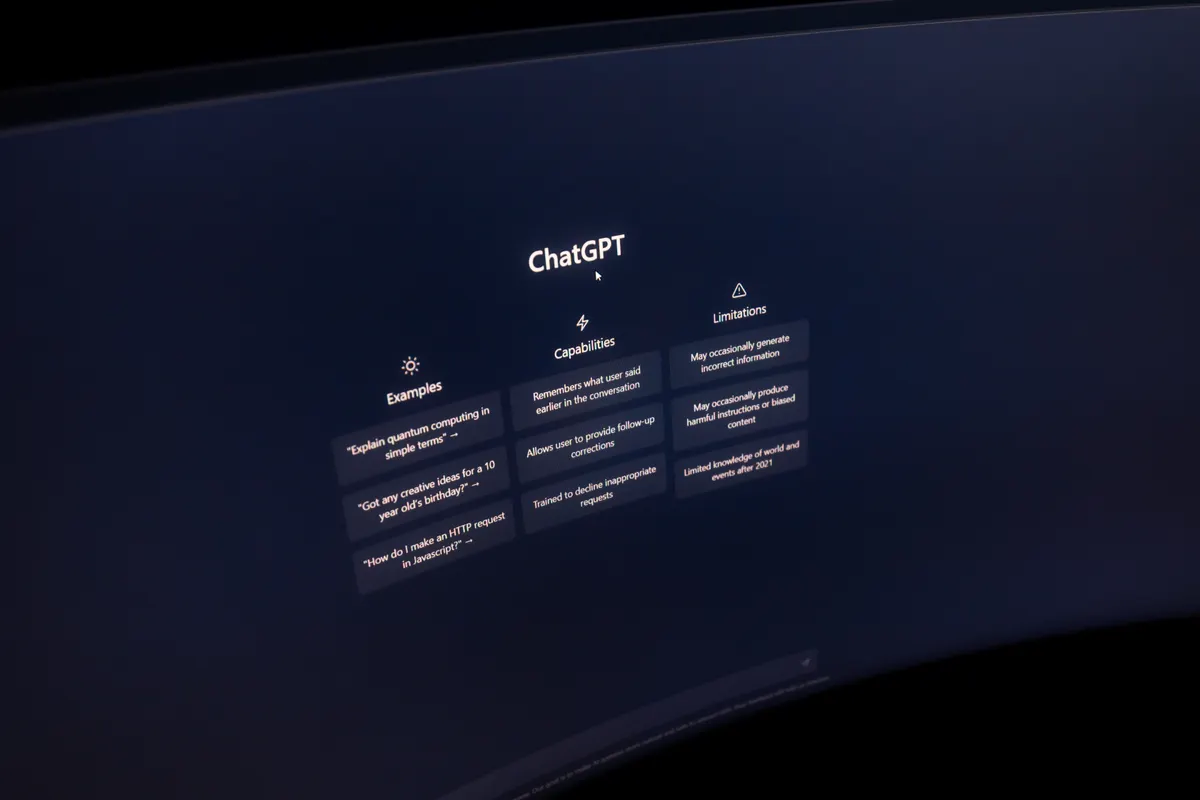

The DSA designation of ChatGPT, Reddit, and Roblox as Very Large Online Platforms and Search Engines by the European Commission on 31 August 2026 brings all three services under the Digital Services Act’s most demanding tier of obligations, giving each company until January 2027 to comply.
The designations were triggered by each platform exceeding the DSA’s threshold of 45 million average monthly users in the European Union. Under the Act, platforms above that threshold are classified as either Very Large Online Platforms (VLOPs) or Very Large Online Search Engines (VLOSEs) and face mandatory risk assessments, independent audits, and enhanced government oversight.
The DSA Designation of ChatGPT as a Hybrid Service
ChatGPT’s classification is the most legally complex of the three. The Commission treats it as a VLOSE rather than a VLOP, reasoning that the service qualifies as an online search engine under the DSA because it can engage with and respond to users’ prompts and queries, including by searching the web. It is the first AI chatbot to receive any designation under the Act.
The designated legal entity is OpenAI Ireland Limited, which reported 159.1 million average monthly active users in the EU, according to the Commission’s list of designated VLOPs and VLOSEs. That figure places ChatGPT well above the 45 million threshold and makes it one of the largest services now subject to the DSA regime.
Reddit and Roblox are each classified as VLOPs. All three services face substantially similar substantive obligations: they must assess and mitigate risks relating to illegal content, child safety, users’ mental and physical well-being, fundamental rights, electoral integrity, and public security.
National Regulators and Commission Oversight
Jurisdictional responsibility is split at national level. ChatGPT and Reddit fall under Ireland’s Coimisiún na Meán as their lead Digital Services Coordinator, while Roblox is overseen by the Netherlands’ Authority for Consumers and Markets, according to Mashable, citing the Commission’s press release. The Commission itself gains new investigative authority to examine the functionality of each service and its related systems, operating in parallel with those national regulators.
Henna Virkkunen, Executive Vice-President for Tech Sovereignty, Security and Democracy, said: ‘These new designations mean that ChatGPT, Reddit and Roblox will now be held to a higher standard of scrutiny and accountability in the European Union, in line with their large impact on our citizens and society. We continue to watch the digital landscape closely and will not hesitate to designate any platform that meets the threshold for enhanced supervision under the Digital Services Act.’
Among the specific obligations now applicable, all three companies must undergo regular independent audits. The rules governing those audits are set out in Delegated Regulation (EU) 2024/436, which specifies the scope, procedures, and methodologies designed to ensure results are consistent and comparable across designated services.
The three services join a list that has grown substantially since the first round of DSA designations. On 25 April 2023, the Commission designated 17 Very Large Online Platforms, including Facebook, TikTok, YouTube, Instagram, LinkedIn, and Twitter, alongside two Very Large Online Search Engines: Bing and Google. An overview of the obligations applying across all designated services is maintained by law firm McCann FitzGerald.
The compliance deadline of January 2027 is a hard one. Subject to any legal challenge by the designated companies, failure to meet DSA obligations for VLOPs and VLOSEs can result in fines of up to six per cent of global annual turnover, and repeated infringements can trigger temporary restrictions on access to the service within the EU. Whether OpenAI, Reddit, or Roblox will contest their classifications before that deadline arrives is the question to watch.
