
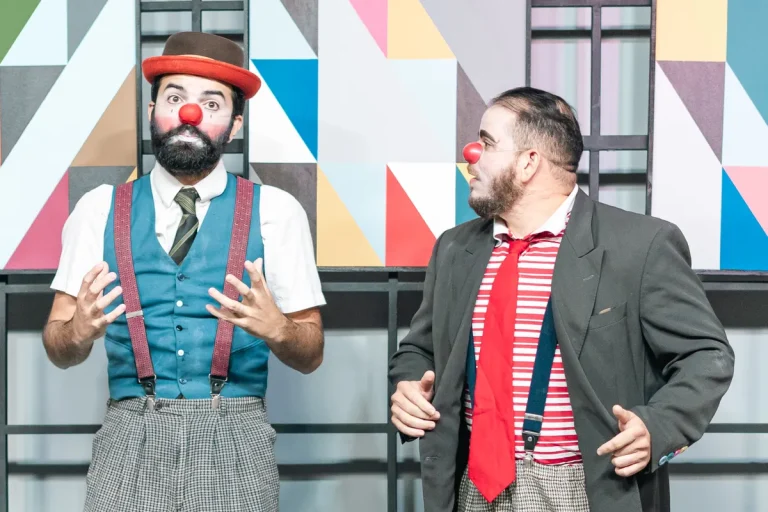
The Guo Degang Revolutionary Song Incident
The performance took place on 24 July 2026, during the eighth instalment of a dedicated show titled Ji Gong the Living Buddha, held in Wuhan. While playing the character Ji Gong, Guo changed the original lyric of ‘Playing My Beloved Pipa’ from ‘Weishan Lake is quiet and still’ to ‘The Forbidden City is quiet and still,’ and added the phrase ‘O Buddha, thus come one, mummy mummy hum’ in a comedic style, according to thePaper.
An audience member complained that Guo had, in the words of the complaint letter published by thePaper, ‘not only distorted and vulgarized a classic revolutionary work, but also violated public morals and accepted standards of conduct.’ The bureau formally opened its investigation on 11 August 2026.
The song carries particular weight in China’s official cultural canon. ‘Playing My Beloved Pipa’ is the theme song from the 1956 film Railway Guerrillas, which depicts anti-Japanese resistance fighters, and was included on the Publicity Department of the Chinese Communist Party’s 2019 list of ‘100 Excellent Songs Celebrating the 70th Anniversary of the Founding of the People’s Republic of China.’ Its political history is, however, layered: RFI Chinese reports that the same song was placed on a blacklist of ‘reactionary songs’ during the Cultural Revolution because of the lyric ‘the sun in the west is about to set,’ before being rehabilitated as a commemoration of anti-Japanese resistance.
Fines Issued Against the Organiser and Venue
The bureau’s enforcement decision imposed two separate sets of penalties. The performance organiser, Jiangsu Zidiruicheng Sports and Culture Industry Development Co., received a warning alongside the confiscation of 48,687.4 yuan in illicit gains and an additional fine of 486,874 yuan. The venue operator, Wuhan Zhongnan Theater Management Co., was issued a warning and a separate fine of 110,000 yuan, the Global Times reported.
The bureau specified that the violated provisions cover changes to approved performance content and material deemed harmful to national interests or cultural traditions, Channel News Asia noted. The alterations Guo made were not included in the material approved for the show.
Guo himself, widely credited as the central figure in reviving xiangsheng (a traditional form of Chinese comedic dialogue built on wordplay and rhyme) has not performed publicly since the incident. Several of his shows have been cancelled or postponed, the Associated Press reported.
The case follows a precedent set in 2023, when comedian Li Haoshi, known by the stage name ‘House,’ was banned from public performances in mainland China after describing dogs chasing squirrels using a military slogan. His employer, Xiaoguo Culture Media, was fined 14.7 million yuan (approximately $2.13 million at the time). The Li Haoshi case drew international attention to the narrowing space for comedic performance in China; the Guo matter suggests enforcement has not relaxed in the intervening period, the Yakima Herald noted.
Whether any investigation into Guo personally, as distinct from his production partners, will follow remains an open question. The fines announced to date fall on the organiser and the venue. Subject to any further regulatory action, the question for Guo is whether cancelled bookings are temporary or the start of something more lasting.