
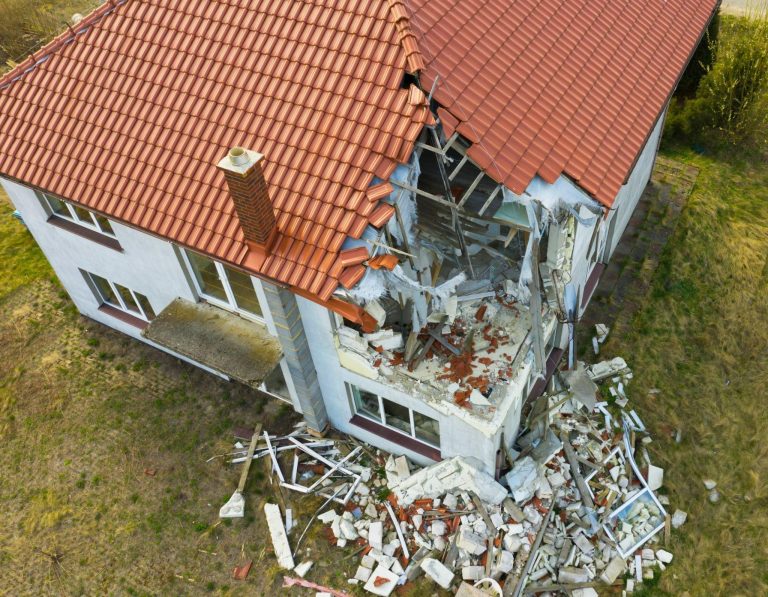
At that point, confusion usually replaces relief. Now you are left wondering whether the insurance claim should be questioned or settle down with what you get because the process was handled correctly. The truth is, many hurricane claims face issues not because the damage is unclear, but because the process itself is difficult to manage without guidance. For guidance, hurricane damage lawyers can help property owners with their legal side and the insurance claim process.
This article explains the situation and reasons for which a claim can be denied.
Why the Insurance Claim Process Feels Stuck After a Hurricane
Insurance companies handle thousands of claims after major storms. That volume alone causes delays. But delays are not the only issue.
Adjusters may change. Reports may not reflect all damage. Repair costs may rise while estimates stay the same. Over time, communication slows, and homeowners are left waiting.
This does not mean your claim has failed. It often means the insurer is relying on its own review unless someone pushes back with facts.
Reasons Behind Claim Often Not Paid in Full or Denied
Insurance letters usually sound formal and final, but many explanations deserve a closer look. Here are some common ones:
● Damage existed before the storm
● Water damage is blamed on flooding instead of wind
● Certain repairs are said to fall outside the policy
● Repair estimates are lower than contractor quotes
● Paperwork or timing issues are mentioned
Each of these points may sound clear, but none should be accepted without review.
Why Reading the Policy Matters More Than Phone Calls
Phone conversations rarely explain the full picture. The policy does.
Your insurance policy shows what is covered, what is limited, and what steps must be followed. Hurricane deductibles are often higher than expected and based on property value, not repair cost. Coverage may also include temporary living expenses or required code upgrades.
Reading the policy may take time, but it answers questions that customer service often does not.
Building a Strong Claim File
Insurance companies respond better to clear records. Strong documentation gives your insurance claim direction and support.
Helpful items include:
● Photos and videos taken before major repairs
● Written repair estimates from licensed contractors
● Inspection reports
● Copies of emails and letters
● Notes from phone calls
Keeping everything together shows consistency and effort.
Asking for Another Review of the Claim
Insurance decisions are not always final. If damage was missed or valued too low, a re-evaluation can be requested.
Written requests work better than calls because they create a paper trail. A second inspection may involve a new adjuster or an independent review. That fresh look often changes how damage is seen.
This step takes patience. Quick pressure rarely helps, but steady follow-up often does.
Understanding What Insurance Companies Are Required to Do
Insurance companies must follow state rules when handling claims. They cannot delay a claim without a reason or avoid giving clear answers. If responses take too long or explanations are hard to understand, the claim may not be handled the right way.
You also have the right to ask why a decision was made and what part of the policy was used. Getting clear answers helps keep the process fair and prevents confusion from dragging on.
Some homeowners also look at public disaster recovery guidance from agencies such as the Federal Emergency Management Agency (FEMA). These resources explain basic recovery steps and available help in simple language.
Signs the Claim Is No Longer Routine
Some issues suggest deeper problems with insurance claim handling. These include:
● Long gaps without updates
● Pressure to accept a fast settlement
● Changing reasons for denial
● Selective reading of policy terms
These patterns often appear quiet and slow, not aggressive. Still, they matter.
Where Legal Support Often Becomes Helpful
Managing a stalled claim alone can only go so far. Legal review helps identify policy gaps, missed damage, or unfair practices.
Many homeowners turn to hurricane damage lawyers after months of delay and reduced offers. Legal guidance often changes how insurers respond, not through conflict, but through structure and accountability.
This step is usually taken after other options have been tried.
Common Mistakes That Can Weaken a Claim
Even valid claims can suffer if certain actions are taken too early or too late.
● Accepting a settlement without checking the real repair costs
● Missing appeal deadlines
● Making permanent repairs before documenting damage
● Assuming a denial cannot be challenged
Avoiding these missteps keeps options open.
Where This Leaves You
Insurance disputes after hurricanes are not rare, and they are not always simple. A denied or underpaid claim does not close the door unless it goes unanswered.
Clear records, careful policy review, and steady follow-up give homeowners a path forward. When progress stops, experienced legal support from hurricane damage lawyers can help bring structure back to the process.
Many firms that focus on hurricane-related claims understand how insurers operate after major storms and how to respond when communication slows. That knowledge often makes a difference—quietly, but effectively.
The process takes effort, but a fair resolution is still possible when the right steps are taken.