
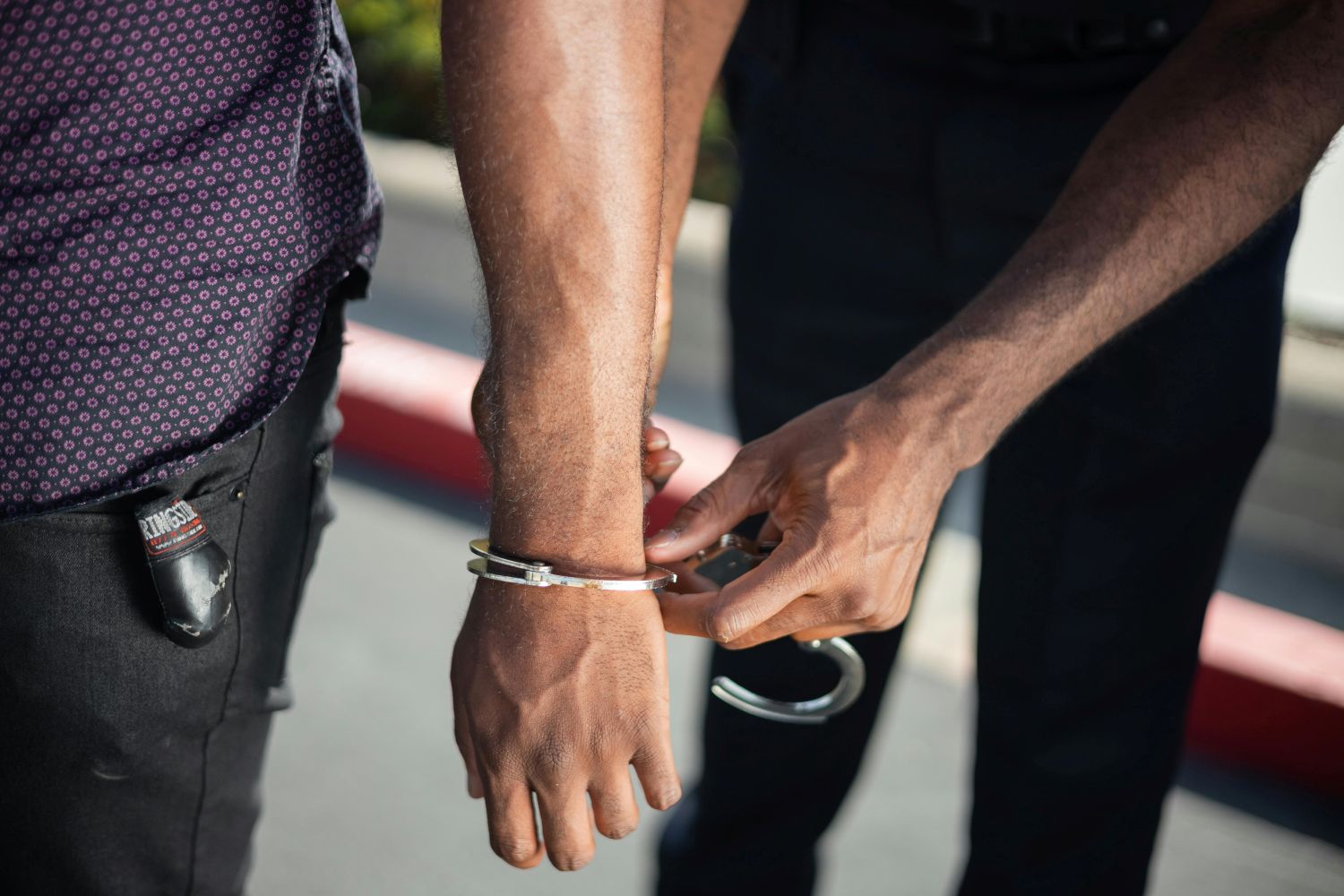

Facing drug charges in an airport or on an aircraft can be a serious and frightening experience. The combination of strict security, federal jurisdiction, and zero-tolerance policies can create a high-stakes legal environment. While the potential consequences, are severe, from heavy fines to lengthy jail time/prison sentences, anyone in this situation must understand that a charge is not a conviction. There are numerous established legal strategies that skilled defense attorneys employ to challenge these cases of drugs.
Below are some common legal strategies for defending against flying with cocaine charges:
Challenging the Search and Seizure
The law safeguards individuals against unreasonable searches and seizures by the state/government. This protection doesn’t disappear at the airport terminal. One of the most common and effective defense strategies involves scrutinizing the legality of the search that uncovered the cocaine. Transportation Security Administration (TSA) agents are primarily focused on identifying threats to aviation security, such as weapons or explosives. However, if they discover contraband like drugs during a screening, they’re obligated to report it to local law enforcement.
A defense attorney will meticulously examine how the initial encounter and search occurred. Was the passenger unlawfully detained beyond the normal scope of the security checkpoint? Did a law enforcement officer have a reasonable suspicion or probable cause to conduct a further, more intrusive search? If the search was conducted without a warrant and didn’t fall under a recognized exception to the warrant requirement, such as consent or plain view, the defense may file a motion to suppress the evidence. If a judge grants this motion, the cocaine can’t be used as evidence.
Therefore, it’s important to seek legal representation for this situation. For example, if you’re caught carrying cocaine during your flight, consulting with an experienced attorney can be a great start to build a robust defense and ensure a more favorable outcome.
Disputing Knowledge and Possession
To secure a conviction for a drug crime, the prosecution must provide proof beyond a reasonable doubt about the defendant’s possession of the illegal substance. This is known as the element of mens rea, or a “guilty mind.” In the chaotic environment of an airport, it’s possible for a person to be unaware of the contents of their luggage.
An attorney might argue that the cocaine was placed in the defendant’s bag by someone else without their knowledge. This could involve a recent acquaintance, a baggage handler, or even a family member. The defense would look for evidence supporting this theory, such as a lack of air travel history consistent with drug trafficking, the absence of large sums of cash, or witnesses who can attest to the defendant’s character and lack of suspicious behavior to avoid potential legal penalties and consequences.
Similarly, in cases of “joint possession” where multiple people are present, the defense can argue that the illegal narcotics belonged to another individual and that the accused had no control over or knowledge of the contraband. This strategy is particularly relevant in situations involving alleged drug smuggling operations, where airport employees might be implicated in a conspiracy. An aviation expert could potentially testify about standard security protocols and chain of command to demonstrate that the defendant was merely following routine procedures rather than participating in criminal activity.
In more extreme scenarios involving body packing, where narcotics are concealed internally, the defense might argue that the accused was unaware of the sophisticated smuggling method being employed by others. Additionally, if the arrest resulted from a police raid based on unreliable informant testimony, the defense can challenge whether the accused had any genuine connection to the seized substances.
Attacking the Chain of Custody
Before cocaine can be used as evidence in court, the prosecution must establish a clear and unbroken “chain of custody.” This means they must account for every person who handled the evidence from the moment it was seized until it is presented in court. The purpose is to prove that the substance being introduced is the same one that was found and that it hasn’t been tampered with, contaminated, or swapped.
A skilled defense attorney will scrutinize the documentation and procedures followed by airport police, TSA agents, and crime lab technicians. Any weakness or break in this chain can cause reasonable doubt about the evidence’s integrity. An attorney might argue that the substance tested by the lab isn’t conclusively the same substance found in the defendant’s possession.
Entrapment and Duress
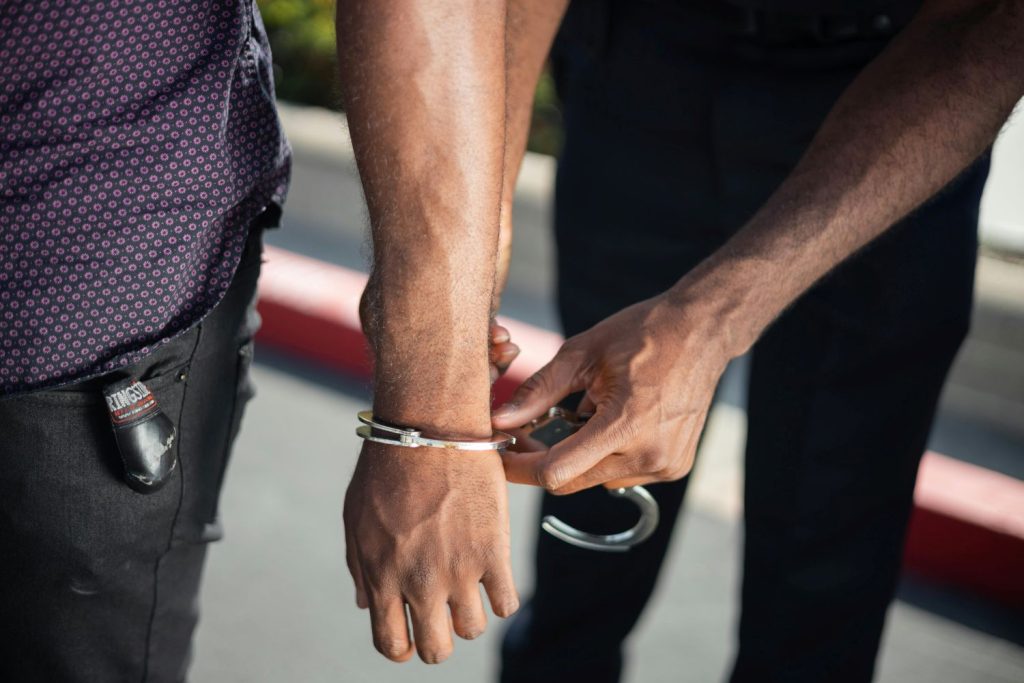
In some rare instances, a defendant may have been coerced or persuaded into committing a crime they wouldn’t have otherwise committed. The defense of entrapment can be considered when law enforcement officials induce a person to commit an offense. This is a complex defense to prove, as it requires showing that the idea for the crime originated with the government and that the defendant was not predisposed to commit it. This might be relevant if an undercover officer at the airport pressured or convinced someone to carry a package containing cocaine.
Another defense, duress, applies when a person commits a crime because they were under an immediate threat of death or serious bodily injury. For example, if someone was forced to carry Class A drugs onto a plane due to a direct threat against them or their family, this might be a viable defense, provided the threat was imminent, and there was no reasonable opportunity to escape the situation, including the aircraft hold inspections. This defense could also extend to scenarios involving coerced participation in smuggling operations, where a flight attendant or other crew member is threatened into concealing a schedule 11 drug within the aircraft. The defense might present evidence that the accused was not flying high on drugs voluntarily, but rather acting under extreme pressure.
Conclusion
Being accused of carrying cocaine while flying is an overwhelming experience, but the justice system provides avenues for defense. Understanding these common legal strategies can be the first step for any defendant in protecting their rights and fighting for their future.
