
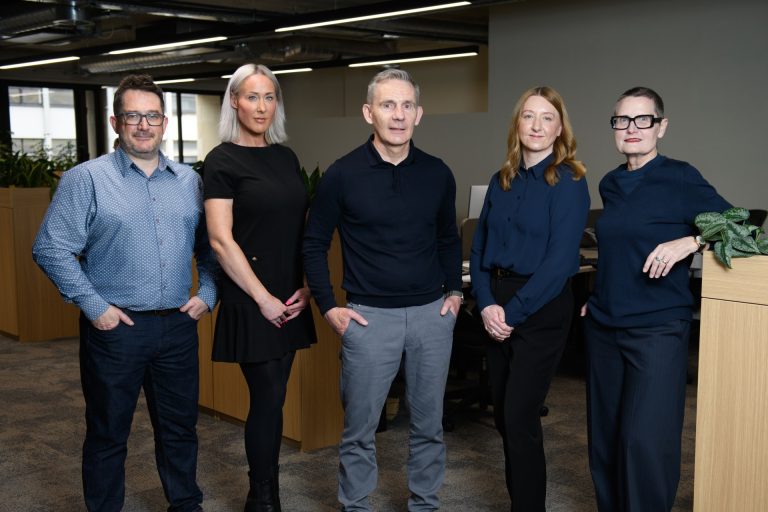
Olliers Solicitors has watched it happen repeatedly. Now the Manchester-based criminal defence firm is trying to stop it.
On Tuesday, Olliers and Greater Manchester Youth Network launched a three-year partnership designed to divert neurodivergent young people before they ever face charges. The initiative, called Seen, Heard, Diverted, targets the gap between first contact with authority and formal entry into the justice system—a window that currently fails thousands of children across the region.
The programme attacks the problem from three directions simultaneously. Young people will receive rights awareness training delivered through activities like cycling or gaming, making the learning feel less like a lecture and more like lived experience. Parents and carers across all 10 Greater Manchester local authorities will access face-to-face sessions and practical tools to help them navigate system interactions. Meanwhile, police officers, solicitors and magistrates will receive training to help them recognise neurodivergent behaviours for what they are—not criminal intent.
That final strand matters. Frontline experience at Olliers reinforces what the University College London data suggests: the system routinely misreads neurodivergence. An autistic teenager who struggles with eye contact might appear evasive. A child with ADHD who fidgets during questioning might seem uncooperative. The consequences can be devastating.
Ruth Peters, Business Development Director at Olliers, led the collaboration with GMYN. She acknowledged the firm has always supported charitable causes, but 2026 marked a deliberate shift in focus.
“The team at Olliers has always raised funds for charity but for 2026 we wanted to focus our efforts on an issue we are passionate about – neurodiversity and the criminal justice system,” Peters explained. “The work we are planning with GMYN is firmly rooted in our areas of specialism and feels like an authentic way of making a difference to young people in the Greater Manchester region.”
The firm is committing its own funds, directing fundraising efforts, and contributing legal expertise to the project. Peters added: “We are able to commit our own funds, direct fundraising and our expertise and advice to stop neurodivergent youngsters having needless encounters with the criminal justice system.”
For GMYN, which supports young people aged 10 to 25 facing significant barriers, the partnership connects two perspectives that rarely intersect. The charity works with vulnerable youth before crises escalate. Olliers represents many of the same young people after things have already gone wrong.
Alex Fairweather, CEO of GMYN, described the disconnect that the partnership aims to bridge.
“For neurodivergent young people, the journey to a positive future is often obstructed by a system that doesn’t speak their language,” Fairweather said. “Olliers sees this every day in practice. At GMYN, we work with many of the same young people earlier, before things escalate. There’s a clear opportunity to connect those two perspectives and make a difference here in Greater Manchester.”
The idea emerged from discussions between the two organisations, shaped by Olliers’ courtroom observations and GMYN’s frontline youth work. Fairweather noted the unusual advantage of partnering with private-sector legal professionals who understand the processes that can derail young lives.
“The idea has been shaped through discussions with Olliers, who have first-hand experience of representing neurodivergent young people and who have identified both the scale of the issue and the need for earlier, more effective intervention,” he explained. “It is a huge advantage for us to be working with experienced, private-sector professionals who have a thorough understanding of the processes and procedures which can impact young people. Their advice and guidance will be invaluable.”
The programme brings together four partners: Olliers, GMYN, Respect for All, and the GM Neurodiverse VCSE Collective. That cross-sector approach reflects the complexity of the problem. Legal expertise alone won’t solve it, nor will youth work or neurodiversity advocacy in isolation.
“This partnership allows us to intervene early, providing young people with the practical tools to navigate the world safely while educating the professionals who hold power over their futures,” Fairweather added.
The initiative aligns with the Greater Manchester Combined Authority’s child-centred policing approach, though it remains independent. The first year will focus on listening, design and testing through a lived-experience cohort—a deliberate choice to avoid rushing into solutions before understanding the full scope of need.
That phased approach suggests the partners recognise the stakes. Get it wrong, and the programme becomes another well-intentioned initiative that misses its target. Get it right, and the model could spread beyond Greater Manchester.
Peters acknowledged that ambition. “We hope that this landmark partnership will make a real difference for young people in Greater Manchester and that this scheme will inspire other regions to try to address this national problem.”
The national scale matters. If 80 per cent of young people entering the youth justice system are neurodivergent, the issue extends far beyond one region. Olliers, ranked as a top-tier firm by both the Legal 500 and Chambers Guide, won Crime Team of the Year at the 2026 Modern Law Awards. The firm’s 29-strong team, led by Managing Director Matthew Claughton, handles everything from corporate fraud to sexual offences.
But this project targets a different outcome entirely: keeping young people out of the system before their names ever appear on a case file. Whether gaming sessions and toolbox training can shift entrenched patterns in policing and prosecution remains to be seen.
The answer will emerge over the next three years, one interaction at a time.