
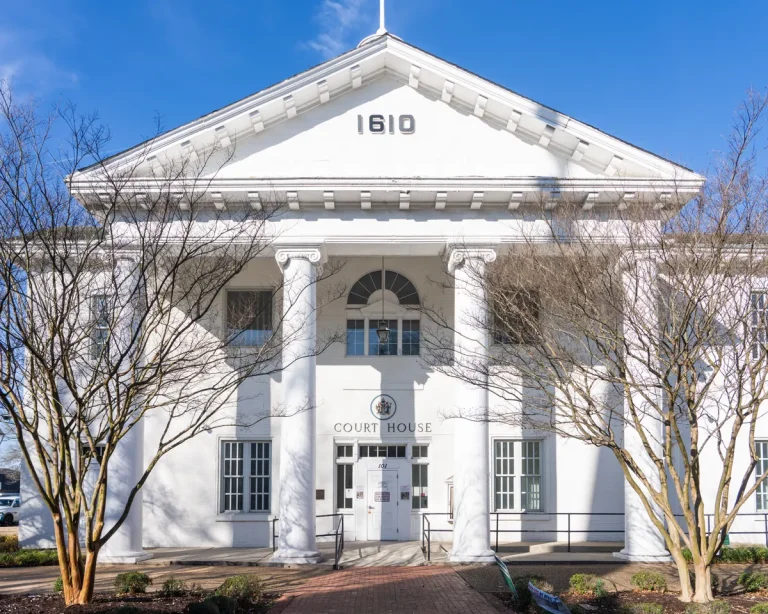
The 19-page amicus brief, docketed on 23 June 2026 as Case 1:26-cv-20609-KMW, Document 101 in the Southern District of Florida, was led by California Attorney General Rob Bonta on behalf of California and 22 other states.
The filing characterises the settlement as ‘an unprecedented misuse of the legal system’ and calls the underlying litigation ‘no ordinary lawsuit.’
The Anti-Weaponization Fund Fraud Allegations
The original claim was filed on 29 January 2026 by President Trump, his sons Donald Trump Jr. and Eric Trump, and The Trump Organization, LLC, according to the case docket. It alleged unlawful disclosure of the plaintiffs’ tax information by a federal contractor.
The case never reached a contested merits hearing. On 18 May 2026, two days before court-ordered briefing on jurisdiction was due, the plaintiffs voluntarily dismissed their claims with prejudice. The DOJ agreed in parallel to create the Anti-Weaponization Fund, drawing $1.776 billion from the Treasury’s Judgment Fund, a standing congressional appropriation.
According to NBC News, the settlement’s scope extended beyond the IRS claim: Trump and his co-plaintiffs also released separate claims for damages arising from the 2022 search of Mar-a-Lago and from the Russia investigation, in exchange for the fund’s creation.
The amici argue that the DOJ’s handling of the IRS litigation was itself evidence of bad faith. The brief identifies several defences the department declined to raise: that the claim was time-barred, that statutory damages were limited, that the Privacy Act claims were defective on their face, and that no waiver of sovereign immunity applied. The DOJ had previously raised several of those defences in comparable Privacy Act litigation involving the same federal contractor, the filing notes.
Judge Williams, a Barack Obama appointee, had already expressed jurisdictional concerns before the settlement was reached, observing that Trump was in effect suing an agency he controlled through his own political appointments. She directed both parties to file briefs addressing whether a genuine case or controversy existed, with a deadline of 20 May 2026. Those briefs never arrived.
‘Rather than answer the Court’s question, the parties evaded it,’ the amicus brief states. ‘[T]he Court was correct to raise jurisdictional questions, and the settlement that purports to resolve the case is further evidence that the litigation has been colored by fraud from the beginning.’
Scope of the Settlement and Wider Legal Challenges
Critics have raised particular concern over a provision purporting to bar the IRS from auditing the past or present tax returns of President Trump, his sons, or the Trump Organization. The amici describe this as ‘an attempt to immunize the Trump family from legitimate law enforcement, all at the expense of American taxpayers.’
The DOJ’s official announcement of the fund states that any money remaining unclaimed will revert to the federal government, a structure the department contrasted with the Keepseagle settlement, in which hundreds of millions of dollars were distributed to non-profit organisations that had never made claims.
Separate petitioners have argued that the DOJ’s and Treasury’s certification of payment from the Judgment Fund constitutes final agency action subject to judicial review, according to Tax Notes, which has tracked the Capitol Defenders challenge to the fund.
The multistate brief is at least the fifth legal challenge to the settlement. Among the earlier actions, Democracy Forward filed suit against the DOJ and Treasury on 15 December 2025 after both departments declined to release records relating to the fund’s creation.
The amici close by urging Judge Williams to ‘rectify the fraud perpetrated’ and to ‘deter future misconduct,’ arguing that allowing the settlement to stand would ‘commandeer the machinery of the judicial system to skirt constitutional limits on executive power.’ Subject to any ruling by Judge Williams, further appeals remain possible.