
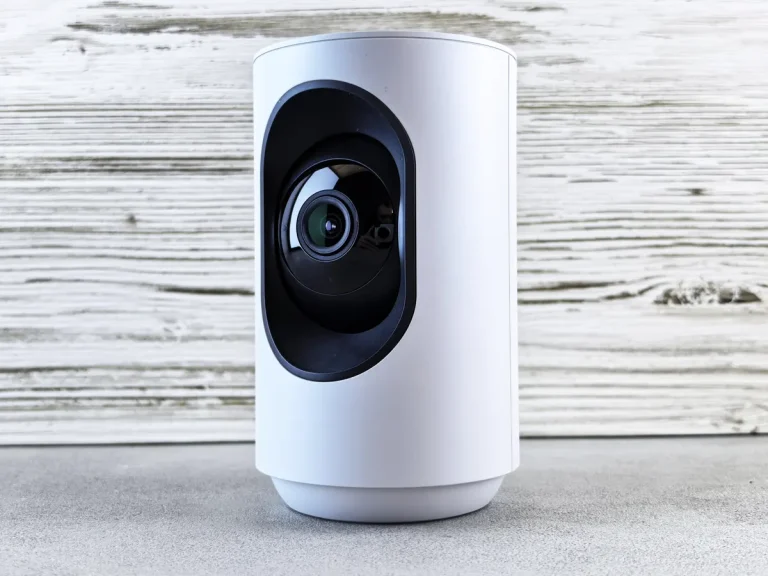
Rayna Bell pleaded guilty to a misdemeanor charge of eavesdropping using an electronic device under California Penal Code § 632. As part of the plea agreement, she was ordered to pay restitution and must serve one day in custody, with credit for time served, followed by one year of probation.
How the Ring Camera Spying Conviction Unfolded
The restraining order application, filed by Bell’s ex-husband and reported by the Los Angeles Times, alleged she unlawfully accessed his private Ring camera system last year and linked his account to half a dozen Amazon Alexa devices registered in her name.
The application stated that Bell ‘viewed video footage for approximately 44,640 minutes (an average of 12 hours per day) over the span of two months.’ Cameras covered areas both inside and outside the home, including the children’s bedrooms.
The family first became aware something was wrong after hearing a voice coming from one of the devices. Bell’s ex-husband’s fiancée, Acacia Young, identified it immediately. ‘It was his ex-wife’s voice,’ Young recounted.
The Los Angeles Times also reported that Young had noticed the Ring camera’s blue light activating at times when no one in the household had pressed record, prompting concern before the voice was heard.
According to the restraining order, the footage Bell ‘live viewed’ and recorded captured ‘deeply personal and private moments, such as my fiancée breastfeeding our newborn, nudity and partially undressed footage of our children … in vulnerable settings.’ The ex-husband described the recordings as possible child exploitation and characterised Bell’s conduct as a ‘serious invasion of privacy and potential identity theft.’
The application further alleged Bell ‘accessed and recorded confidential household conversations, including private discussions between my fiancée and me regarding our finances, credit card numbers, banking details, Social Security information, medical records, medical health history, and other protected health and identity-related data.’
The Legal Framework Behind the Charge
The offense to which Bell pleaded guilty is classified as a ‘wobbler’ under California’s two-party consent law, meaning prosecutors may pursue it as either a felony or a misdemeanor depending on the circumstances. Had it been charged as a felony, Bell could have faced imprisonment in a state prison rather than a county jail. As a misdemeanor, the statute carries a fine not exceeding $2,500 per violation, up to one year in county jail, or both.
California’s two-party consent rule, codified in the same provision, requires that all parties to a confidential communication consent before any recording takes place. Bell’s alleged conduct, linking a third party’s smart-home devices to her own accounts without authorisation, sits at the intersection of eavesdropping law and the growing regulatory uncertainty around networked home security systems.
Bell did not respond to media requests for comment. Her ex-husband has indicated he intends to pursue a civil action against her in addition to the criminal proceedings concluded before California courts.
Young said the family has struggled to recover a sense of security at home. ‘We tried so hard to try to restore the peace, the security, the privacy,’ she said. ‘Once you are robbed of that, it’s almost impossible to try to restore that in your home.’ She added: ‘You’re always going to feel like they can do it again. Or if they had the opportunity, they would do it again.’
The civil claim, if pursued, would likely engage causes of action in invasion of privacy and potentially California’s statutory remedies for unauthorised access to computer systems, given Bell’s alleged manipulation of the Ring account credentials. Whether the restraining order application will be granted, and on what terms, is subject to further proceedings.