
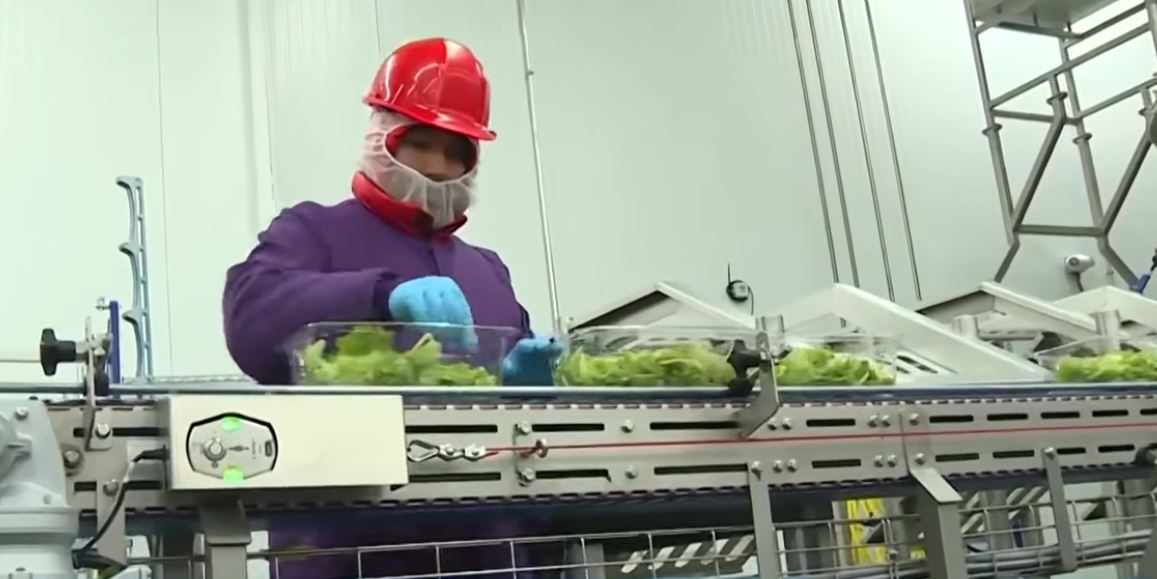

Those who had been keeping a close eye on the vertical farming industry weren’t totally shocked when 80 Acres Farms announced earlier this month that it was closing. However, for the approximately 500 employees who worked at the company’s locations in Hamilton, Ohio; San Antonio, Texas; Aurora, Colorado; and portions of South Carolina, the speed of it all seemed to come without the required notice.
The WARN Act, a federal law that requires employers to give workers at least 60 days’ notice before mass layoffs or plant closures, is allegedly violated by 80 Acres, according to four former employees who have now filed a federal class-action lawsuit against the company. The lawsuit claims that within 30 days of the plants closing, those 500 employees were fired. The lawsuit seeks 60 days of back pay, interest, and benefits for each impacted employee, so if the claims are true, 80 Acres could face serious consequences.
At least in terms of the timeline, the company has a plausible explanation. According to CEO Mike Zelkind, 80 Acres was in active acquisition talks until the potential buyer left on August 2. The very next day, the business filed its WARN notice. It’s possible that the business honestly thought a deal was close enough to warrant the notification delay; in troubled startup situations, this kind of hope, even if it was misplaced, is not unusual. However, there are no exceptions for unsuccessful negotiations under federal law, which is where the legal risk starts.
The severance issue is what makes the 80 Acres Farms employee lawsuit so compelling. During his layoff round, senior engineer Andrew Turk, one of the named plaintiffs, was allegedly offered a severance package. Turk worked out of the Hamilton headquarters and provided support in South Carolina. The lawsuit then claims that an email informing employees that the promised severance would not be paid was sent out when the business officially shut down. That particular detail—the offer that was made and then discreetly withdrawn via email—tends to stick with people and, eventually, juries.
There are other legal issues that 80 Acres is currently dealing with in addition to the employee lawsuit. A staffing company called The Job Center LLC has filed a lawsuit alleging $687,240 in unpaid invoices from April 2026. Another vendor has filed a third lawsuit alleging breach of contract. In order to wind down operations, the company has also filed for bankruptcy, which makes it more difficult to determine whether or not any judgment can be collected. Along with the class action, the company is currently dealing with creditor claims totaling well over $900,000. For any business in wind-down mode, that is a challenging situation.
As a sector, vertical farming has had difficulty turning its initial promise into long-term financial viability. 80 Acres was regarded as one of the more significant players because it was well-funded, ambitious in terms of technology, and operated on a significant scale. Seeing it fall apart so swiftly and messily raises issues that affect more than just one business. What does it say about the near-term viability of the sector as a whole if a relatively sophisticated operation was unable to make the unit economics work?
If 80 Acres does not reply to the lawsuit, the former employees have three weeks to win by default. The legal picture is unclear due to the ongoing bankruptcy proceedings. However, the human picture is fairly obvious: hundreds of people, dispersed throughout several states, lost their jobs more quickly than the law permits. It remains to be seen if the courts will ultimately concur.
