

A picture that remains with you is hidden in a federal court document. A dog at Wuanita Swedlund’s facility in Farmington, Iowa, with matted fur, a feces-filled enclosure, and no water in sight. In December 2024, it was taken by a USDA inspector. It was the final opportunity for federal officials to enter.
This particular detail is important because there were five subsequent attempts to inspect the facility, all of which were unsuccessful. USDA’s Animal and Plant Health Inspection Service inspectors visited Swedlund’s Van Buren County operation between November 2025 and May 2026, but each time they were turned away. Under the Animal Welfare Act, licensed breeders must permit inspectors to enter their property without prior notice during business hours. The federal lawsuit filed in June 2026 claims that Swedlund just refused to let them in.
The case that developed over the next few weeks was convoluted, multi-layered, and difficult to follow because so much of it could have been prevented years beforehand. In July 2023, Swedlund received his first license from USDA. Officials were already recording infractions during that initial inspection period: puppies on flooring that allowed their legs to fall through, unclean feeders, tail docking, and the removal of dew claws without veterinary supervision. Nevertheless, they granted a license. Following that, there was a lengthy, documented build-up of issues that the agency frequently acknowledged but mostly chose not to address.
From three different litters, eight puppies perished. One puppy, who was later put to death, suffered serious injuries when a husky broke into an enclosure containing a sheepdog and her young. It appears that the mother of another puppy in that litter consumed it. Inspectors discovered dogs without access to water, enclosures with temperatures above 90 degrees for at least four hours, and a dog with a visible flea infestation. Swedlund was the only full-time caregiver for 153 dogs and puppies, according to a January 2024 inspector. Just one individual. 153 animals in all.
For its part, the ASPCA filed ten different complaints with USDA, requesting that the organization cancel Swedlund’s license and take the animals out. The organization didn’t. Swedlund and at least one other breeder with known connections to Steve Kruse, an Iowa dog dealer under regulatory scrutiny, were granted licenses by the USDA, according to a larger lawsuit filed by the ASPCA that is still pending in court. The lawsuit challenges the USDA’s licensing practices generally. Puppy laundering, which involves passing dogs through a different licensee with a cleaner record in order to facilitate sales in markets where sourcing from puppy mills is prohibited, is the issue brought up. It’s a fairly specific accusation, and it’s unclear if it will hold up in court.
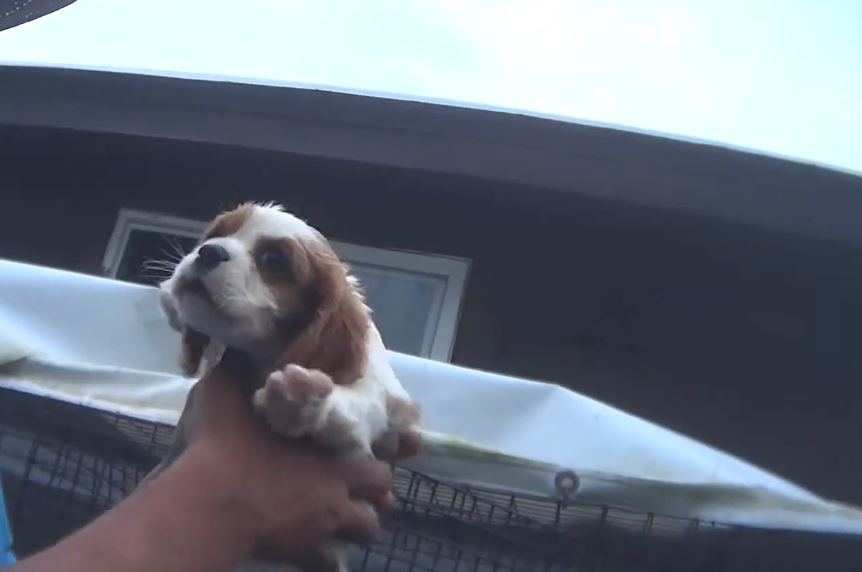
What the court determined is undeniable. A preliminary injunction requiring Swedlund to grant USDA inspectors access to her facility and records was issued in July 2026 by the U.S. District Court for the Southern District of Iowa. The court’s statement that the animals under her care had endured needless suffering was almost exactly taken from the stated goal of the Animal Welfare Act. When inspectors eventually entered, they discovered 32 dogs. They were all apprehended by Iowa law enforcement. By the end of July, all 32 had been approved for adoption and permanently moved to a nearby animal shelter. Swedlund was also charged with 34 criminal counts of animal neglect by Van Buren County.
Looking at the timeline, it’s difficult to avoid wondering what might have happened if a single intervention had occurred earlier. Long before the inspection refusals started, the USDA had a reason to take action. The facility was rated as one of the worst ever by their own inspector, especially in terms of the number of animal deaths. According to an internal assessment, that facility stood out for the wrong reasons, so it’s not a marginal case. However, the license continued to be valid.
A federal bill known as Goldie’s Act would mandate that USDA take action against documented violators instead of letting each agency decide how to enforce the law. It still hasn’t passed. Every time the legislation is discussed, cases like Swedlund’s usually come up again, and this one probably will. Farmington’s dogs have found new homes. The court case is still pending. And most of the licensing system that enabled all of this is still in place.
