

Washington State’s Department of Labor and Industries has opened a We Heart Seattle investigation, targeting the volunteer organisation that removes used needles, drug paraphernalia, and rubbish from homeless encampments and public spaces across the city.
The department did not open a single inquiry. According to MyNorthwest, regulators launched two separate inspections after a complaint alleged that volunteers were mishandling hypodermic needles and risking exposure to blood-borne pathogens.
Nine Categories of Documentation Demanded
A compliance officer’s letter set out nine categories of records the group must supply, according to The Center Square. The list includes a personal protective equipment plan, bloodborne pathogens training logs, safety meeting minutes, accident prevention programme documentation, and safety-related employee disciplinary records.
The demand draws on Washington’s bloodborne pathogens standard, Chapter 296-823 of the Washington Administrative Code, which applies to any employer whose workers face occupational exposure to blood or potentially infectious materials. The standard requires a written exposure control plan even where no actual exposure incident has yet occurred.
Whether the Department of Labor and Industries considers We Heart Seattle an “employer” for these purposes is the crux of the matter. The group operates through private fundraising and volunteer labour, not a conventional employment relationship.
Founder Pushes Back on the We Heart Seattle Investigation
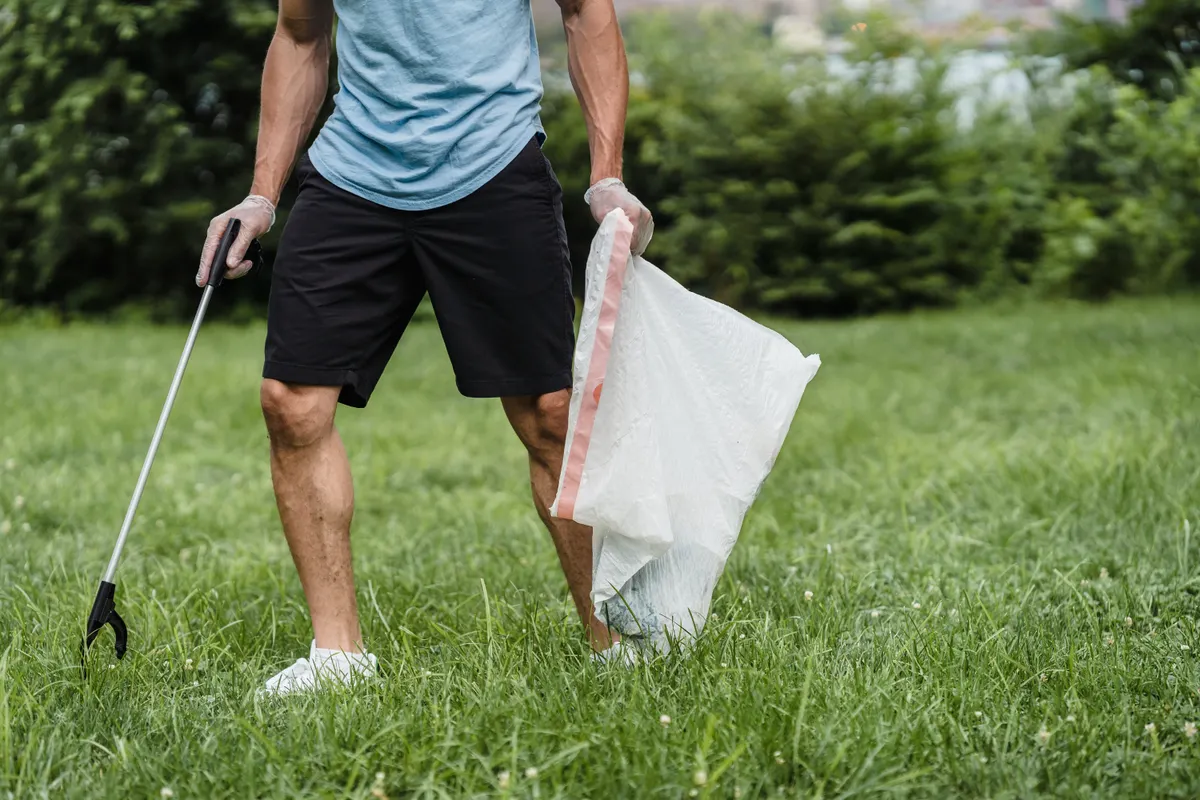
Andrea Suarez founded We Heart Seattle in 2020. She told reporters the group already operates with gloves, specialist pick-up tools, and approved sharps containers, and that a comprehensive bloodborne pathogen plan is published on the organisation’s own website.
Suarez characterised the probe as an unfair attack on volunteers filling a gap that government agencies have left open. She has since confirmed that the organisation submitted its safety documentation to the state and said she expects the group to prevail, according to KOMO News.
The stakes are not trivial. Suarez has warned that the investigation could ultimately threaten the organisation’s ability to continue operating.
Scale of the Group’s Work
We Heart Seattle has removed 2 million pounds of rubbish from public spaces and helped 300 people move off the streets, funded entirely through private donations, according to PBS Northwest Now. That record of activity underscores why the investigation has drawn public attention: the organisation is doing work that local authorities have not.
State regulators have not publicly responded to Suarez’s rebuttal or indicated a timeline for concluding either inspection. Subject to any findings from those inspections, the department could issue citations, require corrective action, or close the matter without penalty.
If the department does treat We Heart Seattle as an employer under Chapter 296-823 WAC, it would need to demonstrate, among other things, that volunteers qualify as “employees” for purposes of the standard. That classification question could shape how the inspections resolve and whether the outcome sets a precedent for other volunteer clean-up groups operating in the state.
