
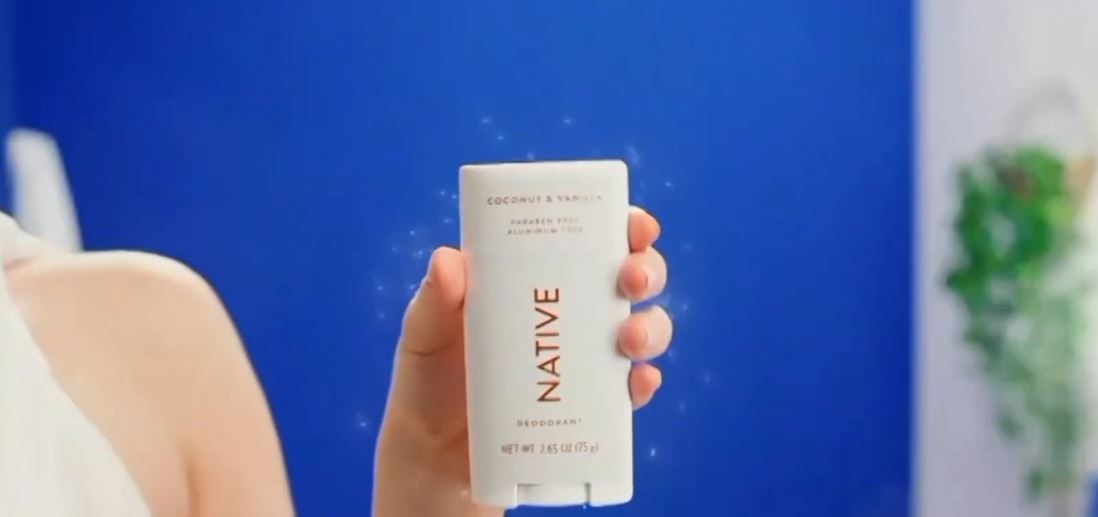

It began with a $14 price tag and a label claim. Ashton Hernandez and Andrew Smyrak, two men from New York, saw a can of Native whole-body deodorant spray sometime in the middle of 2024, read the words “clinically proven 72-hour odor protection,” and decided to purchase it. They felt deceived later. A federal class action lawsuit against Procter & Gamble ensued, and although it was eventually dismissed, it left a trail of unanswered questions that are more difficult to resolve than the case itself.
The main point of the complaint was simple: Native’s deodorant claimed to provide odor protection for three full days, but the plaintiffs contended that no valid clinical testing had been conducted to support that claim. Additionally, they highlighted a subtle revelation in the product’s own instructions: the recommendation to reapply “as needed throughout the day,” which seems to subtly run counter to the notion of 72-hour anything. The claim was referred to in the lawsuit as “preposterous,” which is a strong word. However, it’s difficult to understand why someone might feel that way after paying twice as much as a competing stick in a Walgreens checkout lane.
One of the main complaints was the price premium. The complaint claims that Native charged more than 100% more than similar competitors, primarily because of the durability claim. When discussing a product that the majority of people purchase out of habit and without reading the fine print, that figure is significant. According to the lawsuit, Native had essentially taken the phrase “72-hour protection” from other deodorants that were already on the market, added the phrase “clinically proven,” and then set a price that presumed customers would believe it.
The case was dismissed by U.S. District Judge Denise Cote in April 2025. Her reasoning was clear: the plaintiffs’ main claim that no testing had ever occurred was refuted by the complaint itself, which cited testing data that Native had supplied. She also came to the conclusion that a sensible customer wouldn’t genuinely anticipate that a deodorant would keep them odor-free for three days in a row. That may be the case—the majority of people use deodorant on a daily basis out of habit—but that logic raises an unsettling question of its own: why is the claim on the label at all if no reasonable consumer would believe it?
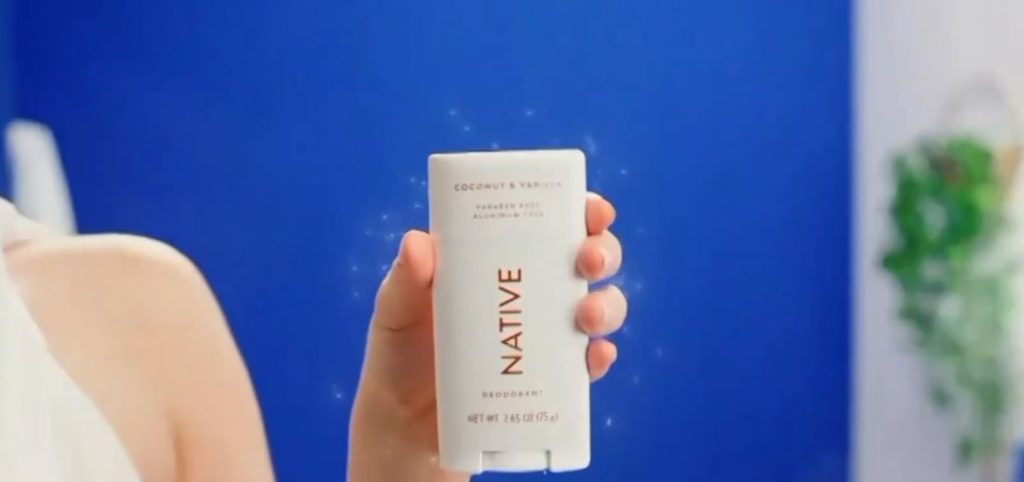
The reason this story doesn’t quite end with the court’s ruling is because of that tension. Customer trust has been a major foundation for the “clean beauty” and “natural personal care” industries. Native, which Procter & Gamble purchased in 2017, marketed itself as the transparent alternative—a product with straightforward ingredients and no hidden chemicals that you could use with confidence. Because of its positioning, it became one of the most well-known brands of natural deodorant. It is now genuinely unclear if the business fully earned that trust.
A different, ongoing issue is layered on top of the lawsuit that was dismissed. Lawyers and legal investigators have been investigating whether some Native products, such as deodorants, shampoos, body washes, lotions, and toothpaste, contain PFAS, the synthetic compounds known as “forever chemicals” because they don’t decompose in the environment or, over time, in the body.
PFAS have been connected to hormone disruption, a higher risk of cancer, and other health problems. The irony of possibly discovering them in goods advertized as “clean” and “naturally derived” is not subtle, even though the investigation is still in its early phases.
Observing all of this, one gets the impression that the Native deodorant lawsuits are more about a broader reckoning in consumer goods than they are about a single brand. In the personal care sector, terms like “natural,” “clean,” and “simple ingredients” are used so frequently that they have begun to lose their meaning. Customers deserve more than comforting words, especially since they are paying higher prices because they trust these labels. It’s unclear if the courts are the best venue to resolve that dispute. However, the argument itself is not going away.
