


In the music industry, there is an adage that goes, “The hardest part of a band isn’t making it—it’s breaking up.” That lesson is currently being applied to Mastodon and the estate of their late co-founding guitarist Brent Hinds in a Georgia courtroom in Fulton County rather than on a stage.
On September 3, 2026, Hinds’ estate filed a civil lawsuit against the surviving members of Mastodon — bassist Troy Sanders, guitarist Bill Kelliher, and drummer Brann Dailor — alleging unpaid ownership stakes, unauthorized use of his likeness, and the public disclosure of details about his private life that he had reportedly chosen to keep quiet.
The case raises issues that extend far beyond this particular band and is entangled in grief, business, and trust.
An $80,000 check is at the center of the controversy. Following about 25 years as a co-founding member, Hinds left Mastodon in March 2025. The band then offered to buy out his shares in all of their businesses, including the group itself, their merchandise business, and associated businesses. A separation agreement was never signed by Hinds. Five months after the breakup, in August 2025, he passed away in an Atlanta motorcycle accident; the financial details are still pending. After receiving the $80,000 check, the estate declined to cash it, claiming the band had not given any accounting or justification for the amount.
$80,000 might have been a reasonable sum. Maybe it wasn’t. Nobody outside of the parties involved truly knows without the underlying financials. The estate appears to be arguing that there is no way to confirm the number, not necessarily that it is incorrect. It is reasonable to require a complete accounting before cashing a check. In fact, it’s pretty common in any significant company dissolution.
The album cover comes next. On August 28, Mastodon released Marrow Deep, their debut album without Hinds. Three Greek mythological figures are featured on the cover, one of whom is dressed in a garment covered in layers of human faces and skulls. The estate contends that one of those faces is a recognizable likeness of Hinds — and that the band used that image to market and sell the album and its accompanying merchandise without authorization. The record was partially dedicated by Mastodon to Hinds. It appears that a judge will now have to decide whether that dedication and a subtle visual tribute amount to honoring someone or exploiting them for commercial gain.
A more intimate topic is covered in the third layer of the lawsuit. Before Marrow Deep dropped, Mastodon released a 35-minute documentary called The Mastodon in the Room, in which the remaining members discussed Hinds’ departure and touched on what they described as long-standing behavioral issues, including substance use. The estate’s complaint alleges these disclosures were made while the band was actively promoting new music — and that details Hinds had kept private during his lifetime were broadcast to the public as part of that campaign. Whether the intent was promotional or genuinely mournful, the timing raised eyebrows.
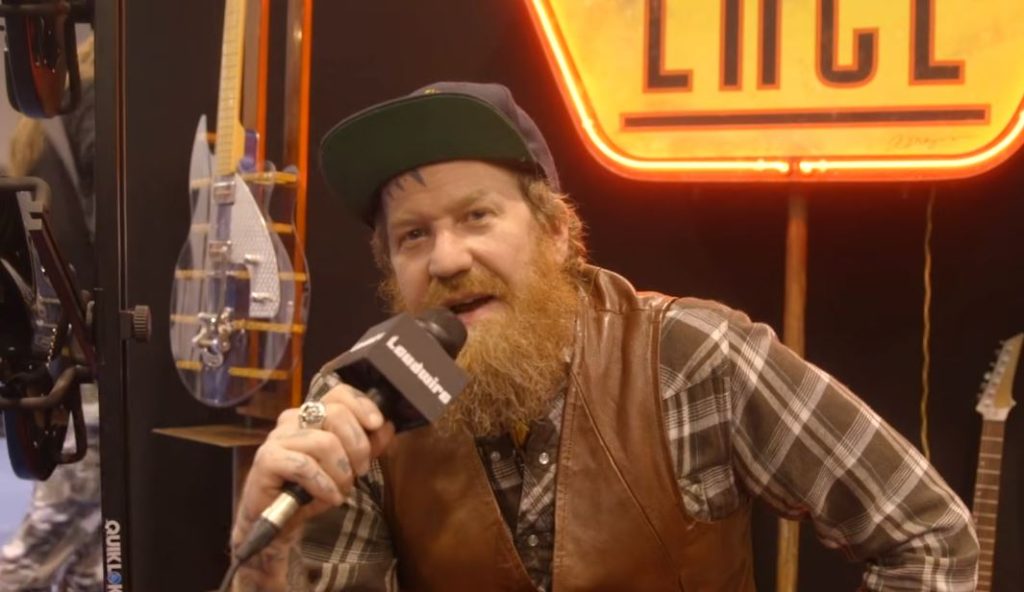
Mastodon firmly pushed back. In a public statement, the band called the suit a private business dispute that had been made public and denied any ill intent. They described the lawsuit as “meritless” and said they intend to “vigorously defend” themselves. They also said they wouldn’t be commenting further, citing respect for Hinds’ memory.
There’s something almost painfully familiar about all of this. Bands that spend decades together, building something out of nothing, often have informal arrangements that work fine until they don’t. The economics of heavy metal — even at Mastodon’s level — are not the economics of pop stardom. Ownership structures, profit splits, and exit terms that were never properly papered can quietly become time bombs. Hinds died before anyone defused this one.
What happens next is hard to predict. Courts in these situations tend to focus narrowly on what was documented, what was agreed to, and what can be proven. The emotional weight of the story — the grief, the complicated exit, the album dedicated to a man whose estate is now suing over it — may be compelling to the public but largely irrelevant to a judge sorting through company interests and contract law.
What isn’t hard to predict is that this case will follow Mastodon’s next chapter for a while.
