
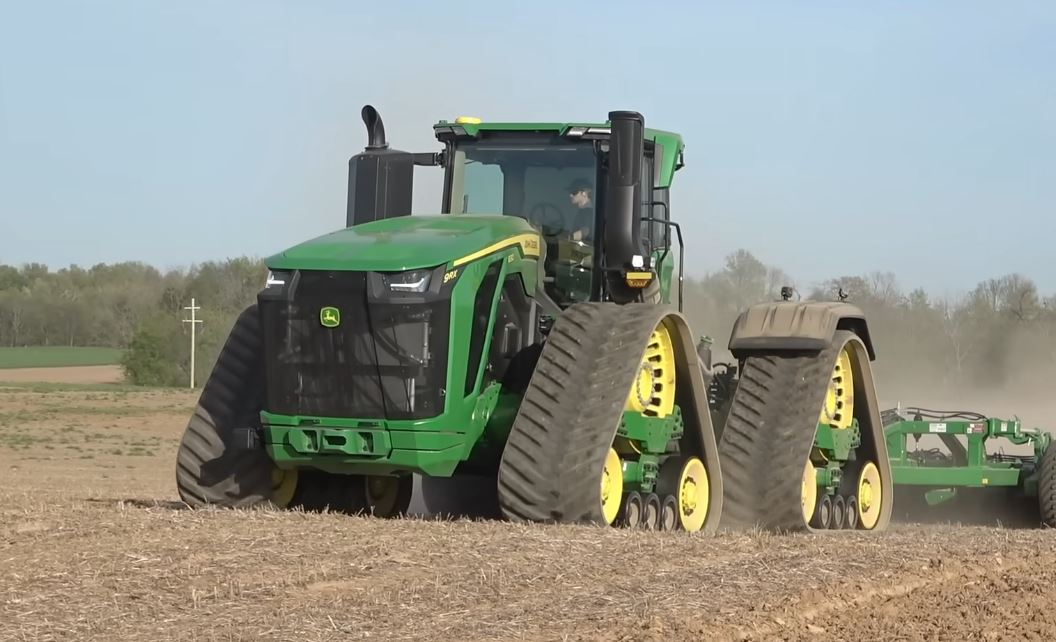

For generations, fixing a tractor was part of farming. A busted hydraulic line, a fault code blinking on the dashboard — a farmer or a local mechanic would figure it out, the way people always had. Then John Deere’s equipment got complicated, and the company quietly built a wall around it. The software tools needed to diagnose and repair the machines existed. Deere just wouldn’t share them. Until now.
On July 8, 2026, the Federal Trade Commission — joined by the states of Illinois, Arizona, Michigan, Minnesota, and Wisconsin — announced a landmark settlement with Deere & Company that ends what critics had been calling a repair monopoly. Under the agreement, Deere must provide farmers and independent repair providers the same diagnostic and repair resources it currently offers its authorized dealer network. The order runs for ten years and carries real teeth: strict compliance oversight, reporting requirements, and a $1 million payment to the five participating states for antitrust enforcement costs.
The lawsuit itself was filed in January 2025, and the argument at its center was straightforward. Deere makes the only software capable of performing all electronic repairs on its own equipment. By keeping that software exclusive to its dealerships, the company effectively forced every farmer with a broken machine to go through Deere’s own repair ecosystem — paying Deere’s prices, waiting for Deere’s availability, with no real alternative. The FTC called it unlawfully acquired monopoly power. It’s hard to argue otherwise.
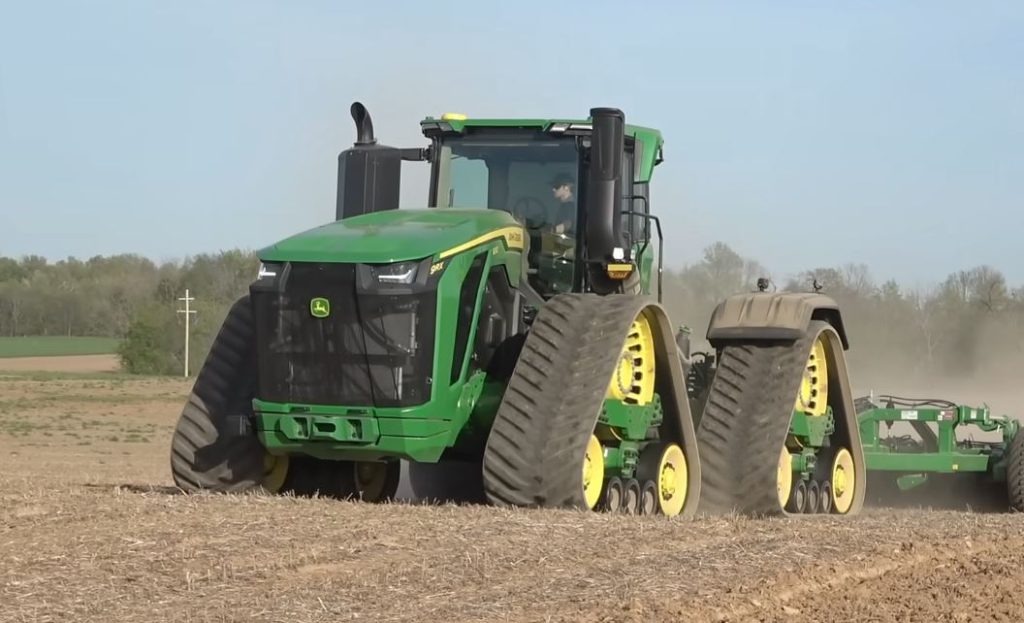
What this means in practice is significant. Farmers will now be able to read and clear fault codes, reprogram electronic components, restart machines stuck in “limp mode” after emissions shutdowns, and access technical manuals and troubleshooting guidance — tools that authorized dealers have had all along. Independent repair shops, the kind often rooted in small rural communities, will have access to the same. Deere’s dealers are also prohibited from retaliating against equipment owners who choose to use independent repair services instead.
This is the second right-to-repair settlement Deere has faced this year. Back in April, the company agreed to pay $99 million to settle a class-action lawsuit brought by farmers. That settlement compensated people for past harm. The FTC settlement does something different — it changes the rules going forward.
There’s a sense in farming communities that this moment has been a long time coming. California’s Right to Repair Act, passed in 2023, didn’t even cover agricultural equipment — a gap that advocates have pointed out repeatedly. John Kabateck of NFIB California called the federal settlement a correction for exactly that oversight. The momentum, as several groups have noted, now raises questions about whether similar access could be extended to automotive and electronics repair. The NFIB has already signaled that would be the next push.
Deere, for its part, didn’t fight the outcome publicly. Denver Caldwell, the company’s vice president of aftermarket and customer support, said in a statement that the agreement aligns with the company’s focus on helping customers keep their equipment running. It’s the kind of measured corporate response that doesn’t reveal much. Still, a company agreeing to a decade of federal oversight and mandatory resource sharing isn’t doing so entirely on its own terms.
It’s still unclear how smoothly the transition will unfold. Making software tools available is one thing; making them genuinely accessible and affordable for small independent shops is another. The order requires fair and reasonable terms, which the FTC will be watching. Whether that means what it should remains to be seen.
What is clear is that a farmer in Wisconsin, or Illinois, or any of the states that joined this fight, can now hand their John Deere equipment to someone they trust and have it repaired without being routed through a corporate dealer network. That’s not a revolution. But it’s the kind of thing that should have been obvious all along.
