
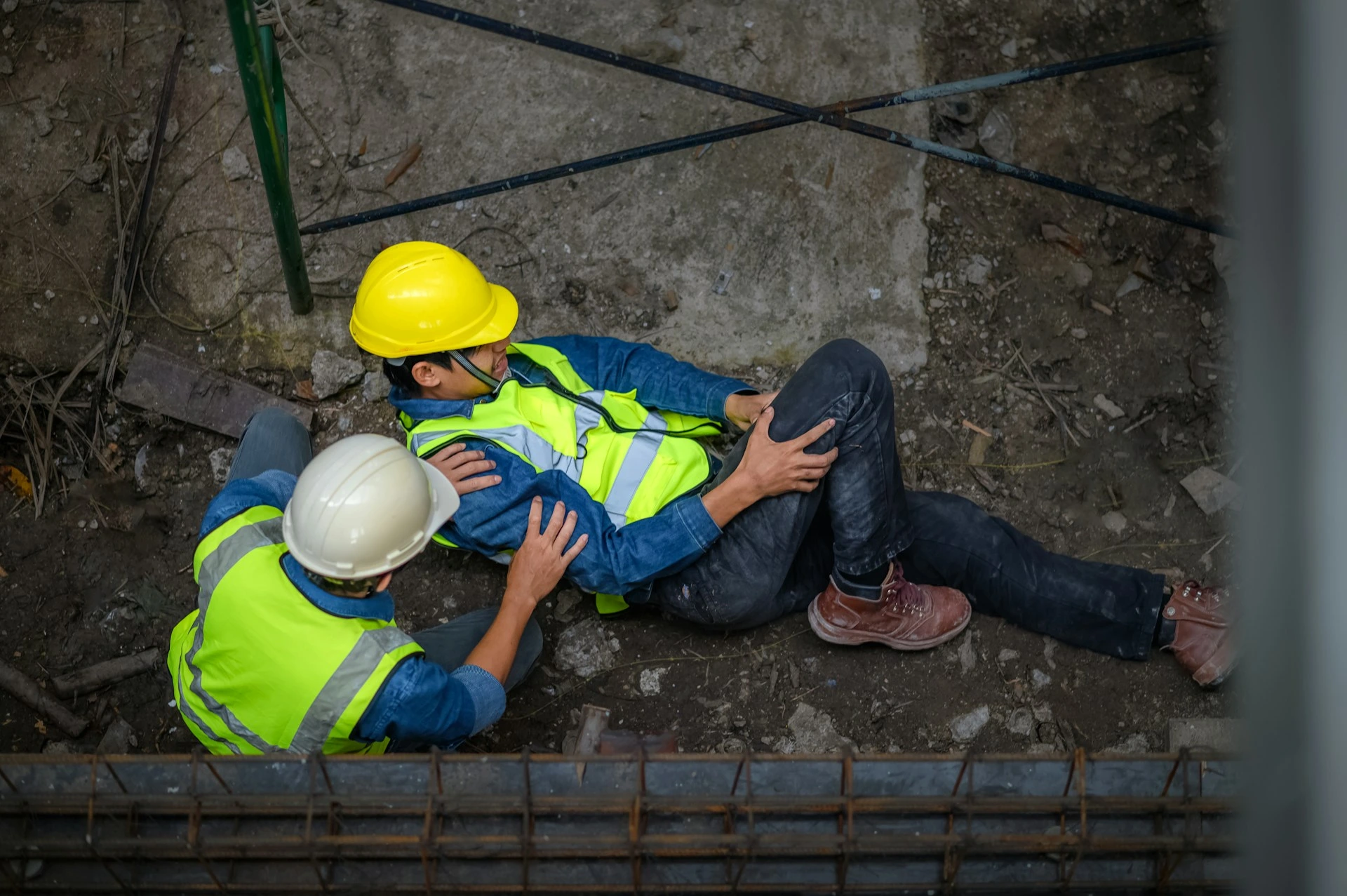

Construction work doesn’t forgive mistakes. Heavy machinery, live electrical systems, unstable scaffolding, materials swinging through the air on any given day, a Melbourne building site holds a dozen ways something can go badly wrong. And when it does, the injury isn’t usually minor.
Here’s the thing: getting hurt is only the start of it. What follows can be just as bruising a compensation claim that drags on for months, insurers pushing back on medical evidence, pressure to return to work before you’re ready. Fittipaldi Injury Law works with injured construction workers navigating exactly this kind of mess, helping them understand what they’re actually entitled to under Victoria’s workplace injury system.
Why Construction Work Creates Complex Injury Claims
Construction sites don’t run like a regular office. On any given job, you might have a head contractor, four subcontractors, labour hire workers, and independent tradies all operating in the same space. When someone gets hurt, responsibility doesn’t automatically land on one party. Figuring out who held safety obligations and when can become a genuine legal dispute in its own right.
The injuries themselves run the full spectrum. Falls from height. Falling objects. Plant-related accidents. Manual handling incidents that slowly grind down a worker’s back over months. And increasingly, psychological injuries too conditions that develop after witnessing serious trauma on a worksite, and that can outlast the physical recovery by years.
The Legal Issues That Often Arise After a Construction Site Injury
Claims get disputed. Weekly payments get delayed without clear explanation. Insurers request independent medical examinations that produce findings the treating doctor disagrees with. Return-to-work plans get pushed in ways that don’t match what the worker’s body can actually handle. Workers who don’t understand their rights and there are a lot of them end up accepting decisions that could’ve been reviewed or challenged.
The financial stakes here are serious. For a worker who can’t return to their previous role, the impact isn’t just short-term lost income. It’s long-term earning capacity. The ability to support a household. A career that no longer exists in the same form.
What Injured Workers Should Document Early
Start documenting everything immediately. Write down the date, time, and location. Get the names of witnesses and site contractor details. Keep every medical certificate, every letter from your insurer, every correspondence from your employer. Take photos if the site or equipment is relevant to what happened. These don’t need to be formal; a running notes file on your phone is fine. But consistent records can make a real difference if your claim is later reviewed or disputed.
Early legal advice matters more than most people realise. A solicitor experienced in workplace injury work can review insurer decisions, help gather supporting medical evidence, and advise on options when liability is split across multiple parties which in construction, it often is. Fittipaldi Injury Law works specifically in this space in Victoria, so they understand how these claims actually move through the system.
Will legal representation guarantee a specific outcome? No. Nothing does. What it can do is give you a much clearer read on where you stand and what options you haven’t yet explored.
A Broader Issue for Construction and Legal Sectors
Construction injury claims are not only individual disputes. They raise wider questions about how workplace safety obligations are enforced, how compensation systems respond to complex worksites, and how insurers make decisions that affect vulnerable workers.
Employer obligations, subcontractor arrangements, and site safety standards all feed into whether injuries occur and how claims are handled afterwards. These are systemic issues as much as they are legal ones.
The legal sector plays a role in holding that system to account. Where claims are wrongly rejected, delayed without basis, or resolved without proper consideration of a worker’s long-term needs, legal processes provide a pathway for review.
Clear processes, accurate medical evidence, and timely guidance remain important whenever a construction injury claim becomes complex. For workers, employers, and the compensation system alike, getting these elements right matters.
Getting that right matters for workers, for families, and for an industry that’s long overdue a harder look at how it protects the people building it.
