
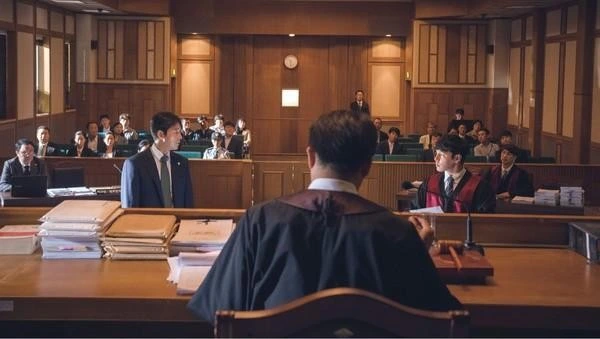

Facing criminal charges in a foreign country hits different. The language barrier alone is stressful — but add an unfamiliar legal system, and things can spiral fast. If you’re dealing with a police investigation or criminal charges in South Korea, here’s what you actually need to know.
This criminal case cost guide Korea recommended for foreign nationals covers the full picture: how investigations unfold, what specific offenses look like in practice, and what you’ll realistically pay for legal help.
How Korean Criminal Cases Actually Work
Three stages. That’s the structure — but the weight isn’t evenly distributed.
First comes the police investigation. After a report or accusation, police summon you for questioning. Everything you say gets recorded in an official document called a Shimmun Choseo — and that document follows your case all the way to court. Answer the wrong question without a lawyer present, and you may have already damaged your defense before it begins.
Then the case moves to prosecution, or Geomchal. Prosecutors review what the police gathered and make a call: drop it entirely, issue a summary fine, or push for a full trial.
Court comes last — if it gets that far.
Here’s the thing most foreigners get wrong: they wait until the trial stage to hire an attorney. That’s too late. South Korean law puts enormous weight on the investigation phase. Settling issues before formal charges are filed is entirely possible — but only if you move fast, with the right help.
Common Offenses and What Defense Actually Looks Like
DUI
South Korea’s drunk driving threshold is 0.03% blood alcohol concentration. That’s low. One drink might be enough. Penalties range from steep fines to real prison time — especially for repeat offenses or accidents.
A good defense attorney won’t just accept the test results. They’ll scrutinize whether the breathalyzer or blood draw followed proper legal protocols, and they’ll build context: clean driving history, demonstrated remorse, no prior record. Small details matter here.
Fraud and Financial Crimes
Voice phishing, crypto scams, contract disputes — Korea prosecutes these aggressively. If the fraud amount clears 500 million KRW, minimum prison sentences kick in under the Act on the Aggravated Punishment of Specific Economic Crimes. That’s not a light threshold.
Defense usually centers on intent. Did the accused plan to defraud someone? Or did a business fail unexpectedly? Proving the difference can mean the gap between prison and freedom.
Assault
Even minor physical contact — a shove, grabbing someone’s arm — can trigger criminal assault charges in Korea. But here’s the unusual part: simple assault charges can actually be dropped if the victim formally states they don’t want punishment.
That makes victim settlement — called Hapui — the single most important move in many assault cases. Get that settlement before court, and the charges often disappear entirely.
Drug Offenses
Zero tolerance. Full stop.
Marijuana, methamphetamine, certain prescription medications — all treated seriously. Foreign nationals face a higher risk of immediate detention because courts often see them as flight risks. Voluntary cooperation, submitting to testing, showing genuine commitment to rehabilitation — these aren’t just optics. They’re real strategic tools.
Arrest Warrants: The 48-Hour Window
If police think you might flee, destroy evidence, or committed something serious, they can request a Pre-trial Detention Warrant — a Yeongjang. The request goes to a prosecutor, then to a judge, who holds a live hearing called a Yeongjang Siljin-simsa.
If the judge approves it, you wait behind bars. If denied, you go home.
You typically have 48 to 72 hours from the warrant request to prepare. Having an attorney argue against detention at that hearing — before a decision is made — can completely change the outcome. This is not the moment to scramble for representation.
What Korean Criminal Lawyers Actually Charge
Fees generally split into two parts.
The retainer — Chaksu-geum — is paid upfront. It covers the lawyer’s time during investigation or trial. For most criminal cases, expect somewhere between 5,000,000 and 15,000,000 KRW, though complex cases run higher.
The success fee — Seonggwa-geum — only kicks in if a specific result is achieved: acquittal, dropped charges, denied warrant. These vary widely based on the firm, the case, and whether the attorney is a former prosecutor or judge (which many top defense lawyers are).
Worth asking upfront: what exactly triggers the success fee? Get it in writing.
Choosing the Right Lawyer — What Actually Matters
A few things separate good criminal defense in Korea from mediocre:
Specialization counts. Make sure the attorney is registered as a criminal law specialist with the Korean Bar Association — not just a general practice lawyer who occasionally handles criminal work.
English fluency matters more than you’d think. Misunderstandings in legal translation don’t just cause confusion — they can cost you. You need someone who genuinely understands your background and can explain Korean legal concepts clearly.
Direct access is non-negotiable. Find out whether the attorney you hire actually handles your case — or whether it gets passed to a junior clerk. You want the experienced lawyer at your police interrogation, not a substitute.
Speed everything up. Hiring counsel before your first police interview is the single highest-impact move available. Statements made early can’t be unsaid — and the investigation stage is where many cases are won or lost.
The South Korean legal system moves fast and front-loads the pressure. Get ahead of it.
