
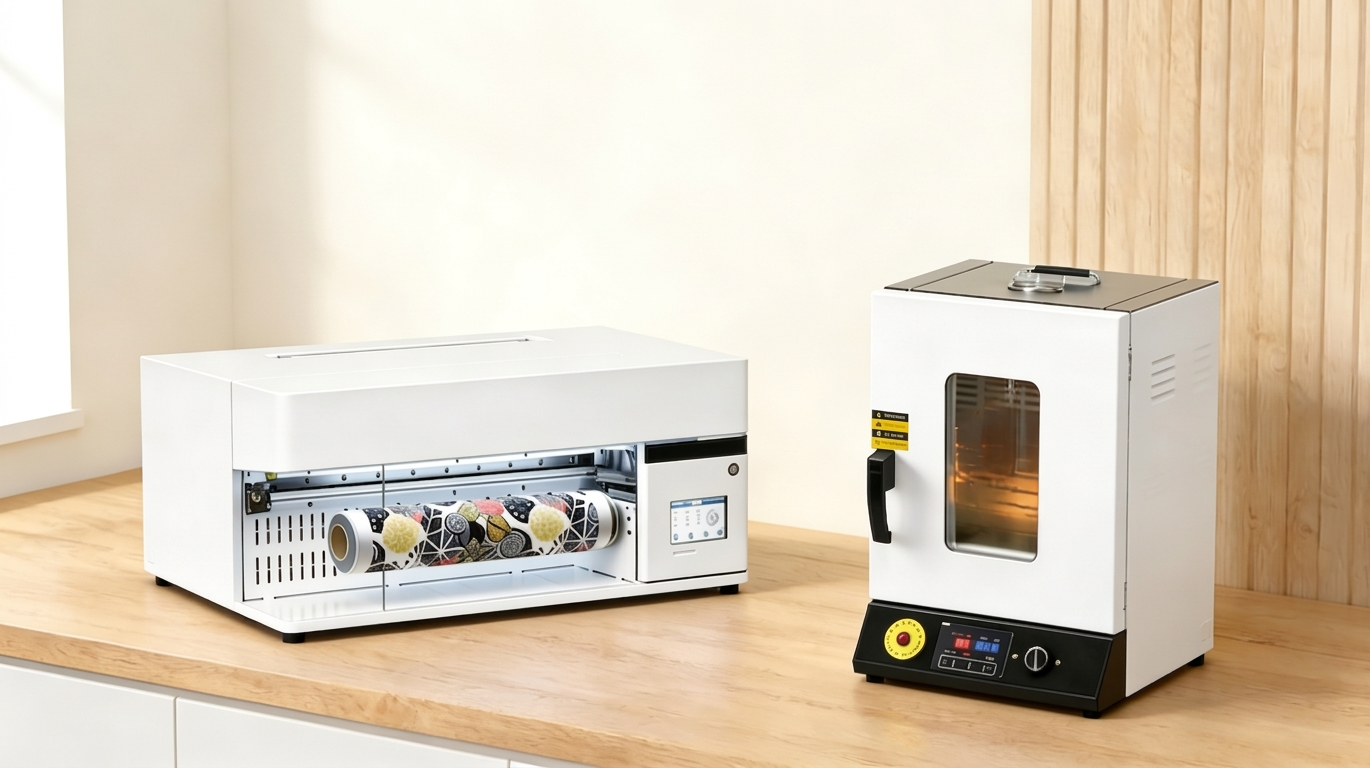

Thinking about launching a custom print-on-demand business from home? Smart move — but before you buy a sock printer and start taking orders, there’s a legal and regulatory checklist most new founders skip entirely. That gap tends to be cheap to fix early. Expensive to fix later.
The UK has seen a steady rise in home-based print businesses over the past few years. Compact equipment costs less than it used to, personalised goods are selling well, and the barrier to entry feels genuinely low. It is — but low barrier doesn’t mean no obligations.
Here’s what you actually need to think through.
Sole Trader or Limited Company? Pick One Early
This is often the first real decision, and it matters more than people expect. Sole trader status is dead simple: register with HMRC, file a self-assessment return each year, done. The catch? No legal separation between you and your business. If something goes wrong — a product claim, a dispute — your personal assets are in play.
A limited company adds paperwork (Companies House filings, annual accounts, more admin). But it draws a clear line between you and the business. Most small print-on-demand operators start as sole traders and convert once revenue makes the extra overhead worthwhile. Either path works. Just pick one deliberately, not by accident.
Your Equipment Is a Business Asset — Treat It Like One
When you buy a sock printer or any other production equipment, you’re making a capital purchase. That’s different from a routine expense, and HMRC treats it differently too. Current UK rules include allowances that let small businesses claim relief on qualifying equipment — but only if you’ve kept proper records from day one.
Invoices. Warranty documentation. Payment receipts. Keep them organised from the moment you spend the money.
There’s another angle here people miss: insurance. Standard home contents policies almost never cover commercial equipment. Once you’re genuinely trading — not just testing — you need separate business insurance covering both the kit and any liability from using it. Don’t assume your home policy stretches that far.
Intellectual Property: The Risk Nobody Talks About
Custom apparel businesses have a specific IP exposure that catches founders off guard. Printing a design featuring a trademarked logo, a licensed character, or copyrighted artwork — even as a one-off customer order — can attract legal action from rights holders. “The customer gave me the design” isn’t a reliable defence if you knowingly produced the item.
Set a clear policy on acceptable designs from the start. Document where your artwork comes from. It’s a five-minute conversation to have with yourself now versus a significant headache later.
Product Safety and Labelling: Yes, These Apply to You
Textile and apparel products sold in the UK need to meet general product safety standards and carry specific labelling — fibre content, care instructions. These rules apply regardless of how small your operation is. Selling three custom socks a week from a spare room? Same obligations as a high-street retailer.
Worth knowing now rather than when a customer raises a complaint.
VAT and Records: Start Organised, Stay Organised
Once trading income crosses the relevant threshold, VAT registration becomes mandatory. The specific number shifts occasionally, so check current HMRC guidance. More than the threshold itself, the habit matters: keeping clean records from your very first sale is far less painful than reconstructing everything when your accountant needs it.
The Short Version
A home print-on-demand business is genuinely one of the lower-risk ways to test a product idea. But “low risk” assumes you’ve set up the basics properly. Structure, equipment records, IP policies, product labelling, tax compliance — none of it is complicated. All of it is easier to handle on day one than to untangle once you’re busy filling orders.
The Huedrift sock printer and machines like it have made production accessible to solo founders in a way that simply wasn’t true five years ago. The legal side? Also accessible — if you approach it early.
