
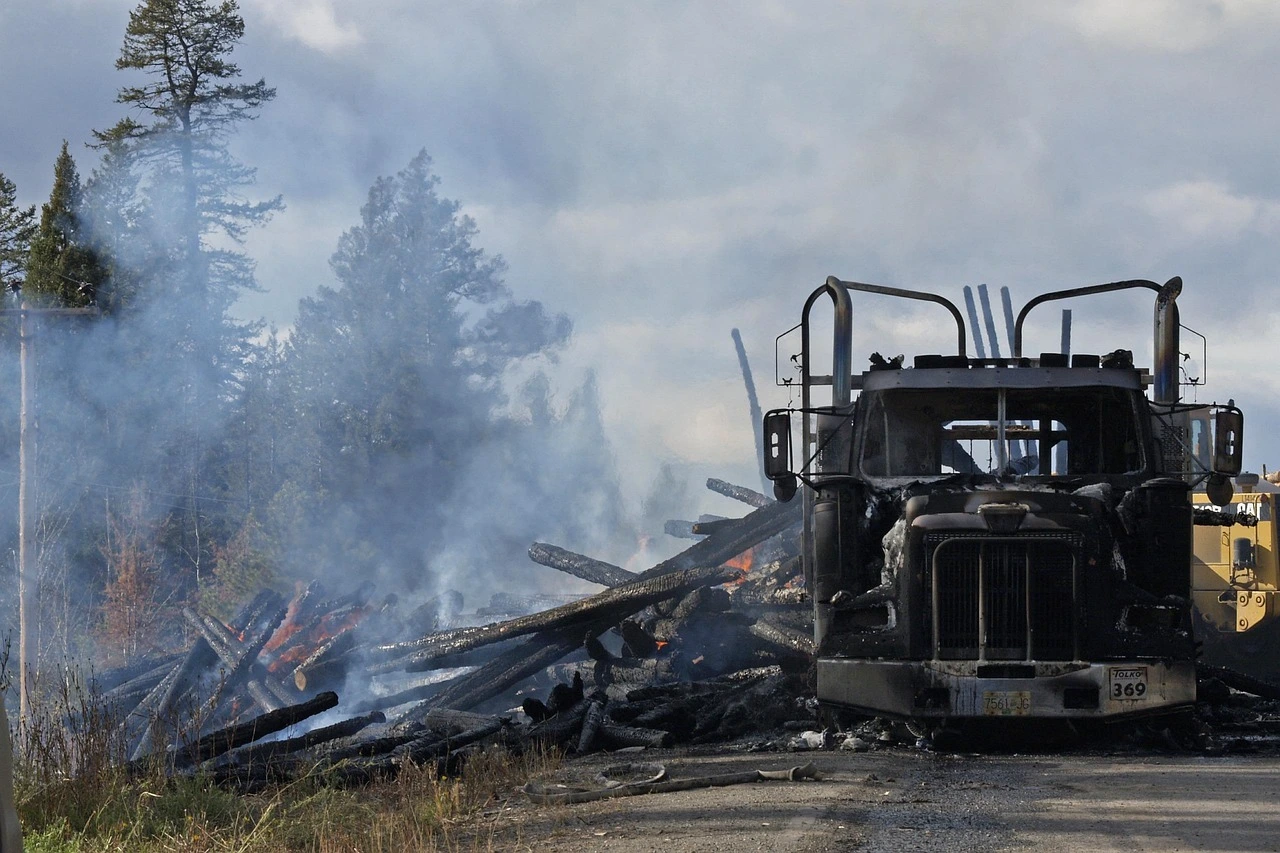

According to the Federal Motor Carrier Safety Administration’s 2023 Large Truck Crash Facts report, driver error accounts for roughly 87% of large truck crashes — a figure that has remained stubbornly consistent despite decades of safety improvements and regulatory changes. As commercial trucking continues to expand with e-commerce growth and supply chain demands, these human factors behind crashes become increasingly critical to understand. The stakes extend far beyond individual drivers: a single truck accident can shut down interstate highways for hours, create multi-vehicle pileups, and generate insurance claims reaching into the millions.
What makes truck accidents particularly devastating isn’t just the size differential — it’s how common driver mistakes get amplified by physics. A momentary lapse in attention that might result in a fender-bender between passenger cars can become fatal when an 80,000-pound truck is involved. Understanding the specific errors that lead to these crashes reveals patterns that affect everyone sharing the road, from daily commuters to logistics companies managing fleets.
The following analysis examines the primary human errors, mechanical failures, cargo issues, and environmental factors that contribute to truck accidents, providing insight into how these preventable incidents occur and why they remain so costly.
What Major Driver Errors Lead to Truck Accidents?
Driver-related mistakes form the foundation of most truck crashes, but these aren’t simple cases of “bad driving.” The errors that cause truck accidents often stem from systemic issues within the trucking industry itself — unrealistic delivery schedules, inadequate training programs, and the physical demands of long-haul driving that push human capabilities beyond safe limits.
The most dangerous driver errors fall into distinct categories that interact with each other in complex ways. Fatigue-related impairment creates a cascade of problems: slower reaction times, poor judgment about following distances, and reduced ability to process changing traffic conditions. When a drowsy driver encounters an unexpected situation — a sudden traffic slowdown or a vehicle merging without adequate space — the extra seconds needed to respond can determine whether an incident remains minor or becomes catastrophic.
Distraction represents another critical factor, though it extends beyond just cell phone use. Truck drivers face unique distractions: GPS navigation systems, CB radios, dispatch communications, and the constant need to monitor multiple mirrors and gauges. Even reaching for a water bottle or adjusting climate controls can divert attention at precisely the wrong moment.
The training gap also plays a significant role. Many drivers receive minimal education about managing specific scenarios like steep grades, crosswinds, or emergency braking with a loaded trailer. This knowledge gap becomes apparent during challenging driving conditions when experience-based decision-making proves inadequate.
How Fatigue and Distraction Increase Crash Risk
Sleep deprivation affects truck drivers differently than other motorists due to the extended nature of their work periods. While federal hours-of-service regulations limit driving time, the quality of rest during mandatory breaks often remains poor. Drivers sleeping in truck cabs parked at noisy truck stops or rest areas rarely achieve the deep sleep necessary for full cognitive recovery.
Microsleep episodes — brief periods where drivers fall asleep for 1-4 seconds while their eyes remain open — represent an especially dangerous form of fatigue-related impairment. At highway speeds, a truck travels significant distances during these microsleep periods, essentially creating an unmanned missile scenario. Research indicates that drivers experiencing microsleep often have no memory of these episodes, making self-awareness of impairment unreliable.
Distraction operates on multiple levels beyond the obvious cases of texting or phone calls. Cognitive distraction — when a driver’s mind focuses on problems unrelated to driving — can be just as dangerous as physical distraction. Drivers worried about delivery deadlines, family issues, or financial pressures may physically look at the road while their attention remains elsewhere.
The combination of fatigue and distraction creates particularly hazardous conditions. Tired drivers become more susceptible to distraction, while distracted drivers often fail to recognize their own fatigue symptoms until impairment becomes severe.
Why Substance Use and Lack of Training Matter
Alcohol and drug involvement in truck crashes, while statistically less common than fatigue, creates disproportionately severe consequences when it occurs. The sheer mass and momentum of commercial vehicles mean that even minor impairment can result in devastating crashes. What distinguishes trucking from other industries is how substance abuse intersects with irregular schedules and isolation factors inherent to long-haul driving.
Prescription medication misuse represents a growing concern, particularly among drivers managing chronic health conditions required for DOT medical certification. Drivers may use stimulants to combat fatigue or pain medications for work-related injuries, often without fully understanding how these substances interact with driving performance. The pressure to maintain driving privileges can lead to undisclosed medication use that compromises safety.
Inadequate training manifests in several ways beyond basic vehicle operation. Many drivers receive insufficient education about defensive driving techniques specific to large trucks, such as managing following distances in various weather conditions or positioning vehicles to maximize visibility of smaller cars. The training gap becomes most apparent during emergency situations where split-second decisions determine outcomes.
New drivers often lack experience with load dynamics — understanding how different cargo types affect vehicle handling, braking distances, and stability. A driver comfortable hauling standard freight may struggle when assigned to transport liquids, hanging meat, or other loads that shift during normal driving maneuvers. This knowledge gap can turn routine driving situations into crash scenarios.
What Equipment Failures Commonly Cause Truck Crashes?
Mechanical failures in commercial trucks differ fundamentally from passenger car breakdowns due to the extreme operating conditions these vehicles endure. Trucks operate near maximum weight limits, traverse steep grades that stress engines and braking systems, and accumulate hundreds of thousands of miles annually under demanding conditions. When mechanical systems fail, the consequences often escalate rapidly due to the vehicle’s size and limited maneuverability.
Brake system failures represent one of the most serious mechanical issues, particularly on downhill grades where trucks rely heavily on engine braking and supplemental braking systems. Unlike passenger cars, trucks use air brake systems that can fail in multiple ways: air leaks that reduce system pressure, brake adjustment issues that create uneven stopping power, or complete system failure that leaves drivers with minimal stopping capability.
Steering and suspension components face extraordinary stress in commercial applications. A failure in these systems can cause sudden loss of vehicle control, especially at highway speeds. The weight distribution of a loaded truck means that even minor steering problems can quickly escalate into jackknife situations or rollover scenarios.
The relationship between equipment failures and accidents often involves cascading problems. A minor issue like a tire pressure monitoring system malfunction might not directly cause a crash, but it can contribute to conditions that make other failures more likely or more severe when they occur.
How Tire and Engine Issues Trigger Accidents
Tire failures on commercial trucks create uniquely dangerous scenarios because of the immediate loss of control they produce. Blowouts don’t simply flatten the tire — they often destroy the tire completely, creating sudden directional forces that can pull the vehicle into adjacent lanes or off the roadway. The force generated by a truck tire blowout at highway speeds can be violent enough to damage surrounding vehicle components or even separate trailer connections.
The warning signs of impending tire failure are often subtle and easy to miss during routine operation. Irregular wear patterns, small punctures, or gradual pressure loss may not affect handling noticeably until the tire fails catastrophically. Truck drivers have limited ability to monitor tire condition while driving, unlike passenger car operators who can often feel tire problems through steering feedback.
Engine problems create different but equally serious safety risks. Sudden power loss on highways can leave trucks unable to maintain traffic speeds, creating rear-end collision risks. Engine fires, while less common, can spread rapidly to cargo areas and create toxic smoke that reduces visibility for surrounding traffic. Cooling system failures in mountainous terrain can force emergency stops in locations where safe pullover space may not be available.
Turbocharger failures deserve special attention because they can create sudden clouds of smoke that completely obscure visibility for following traffic. These failures often occur without warning and can persist for several minutes, creating multiple-vehicle accident scenarios as traffic responds to the visibility obstruction.
Why Proper Maintenance Prevents Accidents
Commercial vehicle maintenance operates under federal regulations that require systematic inspection and documentation, but compliance varies significantly across carriers and individual operators. Pre-trip inspections mandated by DOT regulations can identify many potential failures before they occur on the road, but the effectiveness depends on driver training and company enforcement of inspection procedures.
The complexity of modern truck systems means that maintenance issues often develop gradually rather than appearing suddenly. Electronic engine controls, emissions systems, and advanced safety features require specialized diagnostic equipment and trained technicians to maintain properly. Smaller carriers or owner-operators may lack access to proper maintenance facilities, leading to deferred repairs that increase accident risk.
Preventive maintenance schedules based on mileage or time intervals don’t always account for the varying stress levels different routes place on vehicles. Trucks operating in mountainous terrain or extreme weather conditions may require more frequent service than those running flat interstate routes. This mismatch between standard maintenance intervals and actual operating conditions can contribute to unexpected failures.
The cost pressures in commercial trucking create additional maintenance challenges. Trucks generate revenue only when moving, creating financial incentives to minimize downtime for repairs. This economic reality can lead to “patch and pray” maintenance approaches that address symptoms rather than underlying problems, ultimately increasing the likelihood of roadside failures and accidents.
How Do Cargo Issues Increase Accident Risks?
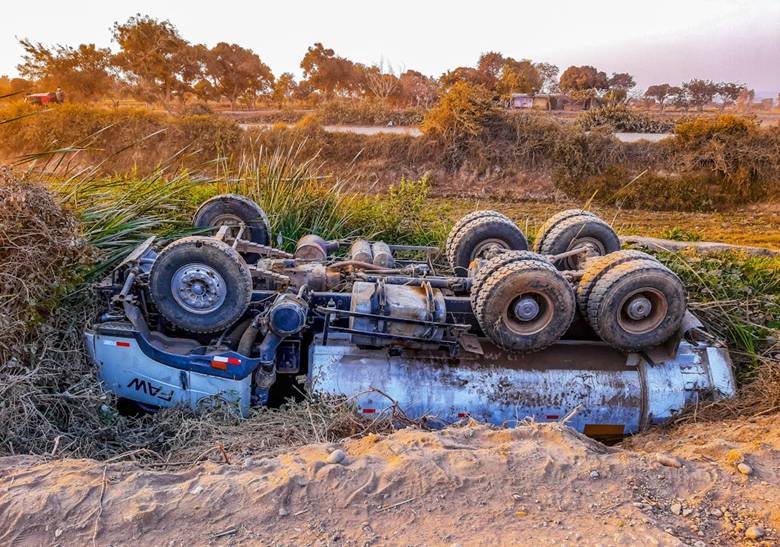
Cargo-related accidents stem from fundamental physics principles that many drivers and shipping companies underestimate. Unlike passenger cars where weight distribution remains relatively constant, trucks experience dramatic changes in handling characteristics based on load weight, distribution, and securement. These changes affect everything from braking distances to rollover thresholds, requiring drivers to continuously adjust their driving techniques based on current cargo conditions.
Overweight loads create problems that extend beyond simple vehicle damage. Excess weight increases stopping distances exponentially, not linearly — a 10% weight increase can require 20% longer stopping distances. This relationship becomes critical in emergency situations where even slight increases in stopping distance can mean the difference between avoiding a collision and causing a multi-vehicle accident.
Load distribution problems create equally serious but less obvious risks. Cargo loaded too far forward or backward can affect steering responsiveness and braking effectiveness. Loads with high centers of gravity increase rollover risk, particularly during emergency maneuvers or when encountering crosswinds. The dynamic nature of some cargo types — liquids, hanging meat, livestock — adds another layer of complexity as these loads can shift during normal driving operations.
Improperly secured cargo presents both immediate and delayed risks. Immediate risks include load shifting during normal driving that can cause sudden handling changes or rollover situations. Delayed risks involve cargo that appears secure initially but loosens over time due to vibration, temperature changes, or settling, creating dangerous conditions hours into a trip.
The responsibility for proper loading and securement often involves multiple parties — shippers, receivers, drivers, and carriers — creating opportunities for miscommunication or assumption of responsibility by others. This diffusion of accountability can result in inadequate attention to securement details that become critical safety factors.
Cargo spills, whether from overturning vehicles or inadequate containment, create secondary accident risks as other vehicles encounter debris or hazardous materials on roadways. Beyond the physical obstacles that spilled cargo creates, specialized emergency response procedures may delay road clearing and increase exposure time for additional accidents. For individuals involved in serious truck accidents, particularly those involving complex cargo issues, Wagner Reese provides experienced legal representation to navigate the intricate liability questions these crashes often involve.
How Do Environmental Factors Affect Truck Safety?
Environmental conditions don’t just make driving more challenging — they fundamentally alter the physics of truck operation in ways that many drivers aren’t adequately trained to manage. Weather, road conditions, and infrastructure design interact with truck characteristics to create accident scenarios that rarely occur with passenger vehicles. Understanding these interactions reveals why trucks face disproportionately higher accident rates during adverse conditions.
Wind effects on trucks extend far beyond the obvious crosswind situations that can push vehicles off course. Sudden wind changes when exiting tunnels or passing between large buildings can create destabilizing forces that require immediate steering corrections. Bridge crossings represent particularly dangerous wind exposure zones where trucks experience sudden gusts while traveling at highway speeds with limited shoulder space for recovery.
Rain and snow don’t simply reduce traction — they create dramatically different handling characteristics for loaded trucks versus empty ones. A truck with a heavy load may maintain reasonable traction, while the same truck running empty can lose traction more easily due to reduced weight on drive axles. This counterintuitive relationship between load weight and weather performance often surprises inexperienced drivers.
Road design factors that seem minor for passenger cars become significant safety issues for trucks. Grade percentages, curve banking, and shoulder width all affect truck stability differently than smaller vehicles. Interstate highways designed decades ago may not account for current truck sizes and weights, creating infrastructure mismatches that contribute to accident risk.
Construction zones present especially complex challenges because they combine multiple risk factors: reduced lane widths, altered traffic patterns, uneven pavement surfaces, and increased congestion. Trucks have limited ability to change lanes quickly in response to construction zone conditions, making them particularly vulnerable to rear-end collisions when traffic flow changes suddenly.
Temperature extremes create additional equipment stress that can precipitate failures during critical moments. Extreme heat can cause tire blowouts or engine overheating in mountainous terrain, while extreme cold can affect air brake performance and increase the brittleness of vehicle components. These temperature-related factors often coincide with challenging driving conditions, compounding the overall risk level.
The emergence of automated vehicle technology in passenger cars creates new environmental factors as human-driven trucks increasingly share roads with vehicles using advanced driver assistance systems. The unpredictability of how these systems respond to truck movements adds another layer of complexity to defensive driving strategies that truck drivers must now consider.
As commercial transportation continues evolving with new technologies, regulatory requirements, and infrastructure demands, the fundamental challenge remains ensuring that human drivers, vehicle systems, and environmental conditions align to support safe operations. The key insight for anyone involved in trucking — whether as a professional driver, fleet manager, or simply someone sharing the highways — is recognizing that truck safety depends on multiple interconnected systems working properly simultaneously. When any single element fails, the consequences can be severe and far-reaching.
