
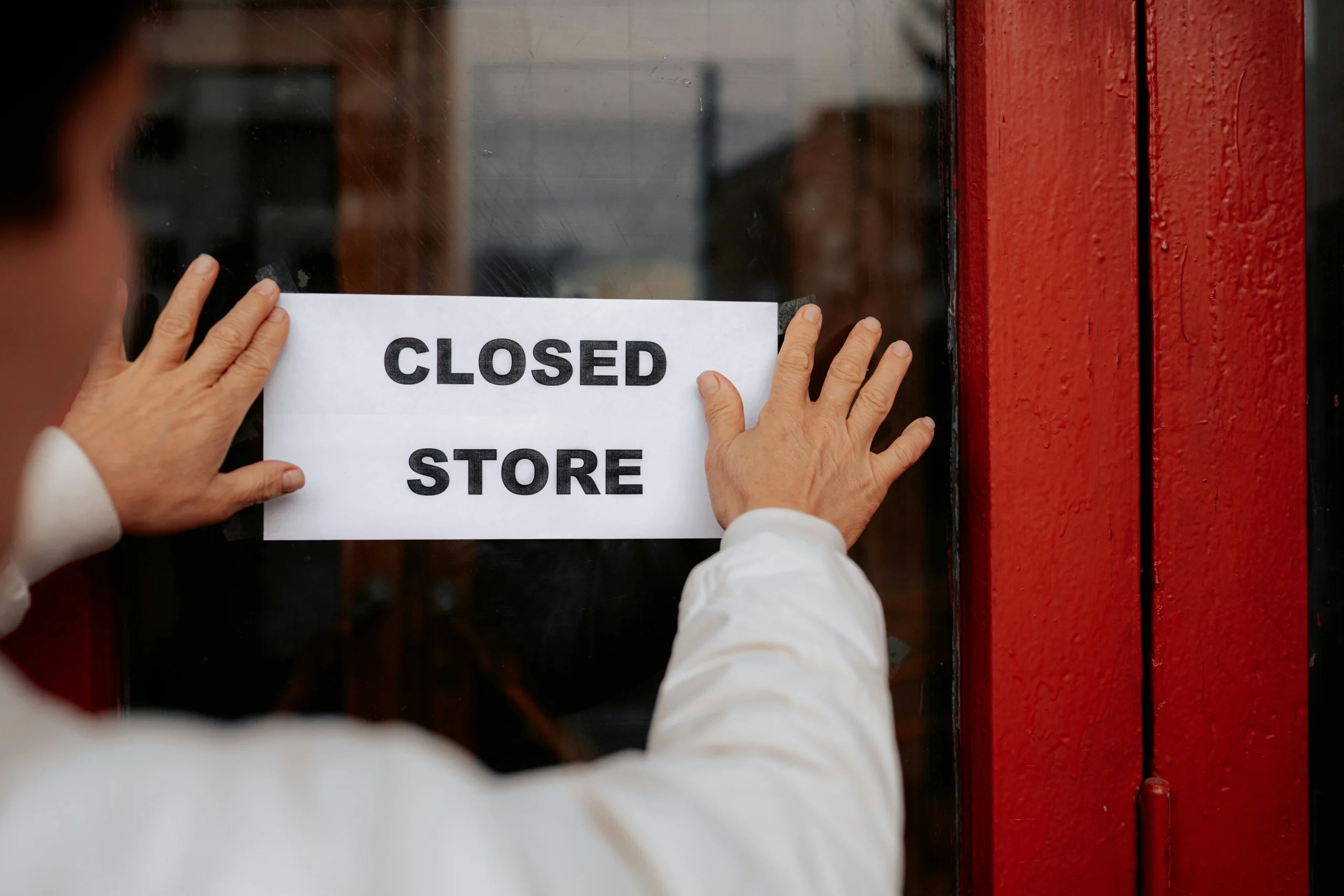

If your company is insolvent, or you’re worried that existing or ongoing financial problems mean it soon could be so, your best option is to take advice from a licensed and regulated insolvency practitioner. They can assess your company’s situation and advise you what to do next. They’re likely to advise that an insolvent company enter a formal insolvency process and, depending on its circumstances, they may suggest liquidation, which formally closes the company.
The good news is that incorporating the business in a limited company gives you limited liability protection. This separates your company’s finances from your own in most circumstances, meaning you won’t have to pay for the company’s debts out of your own pocket, or sell your personal assets. While this protection applies in most situations, you should still try to deal with your company’s insolvent position, or any financial difficulty that could lead it into that position.
Company insolvency and its potential consequences
If the company’s liabilities outweigh its assets or it can’t repay its debts as and when they fall due, it could be insolvent.
Your company becoming insolvent isn’t necessarily down to poor management or decision-making on your part. Sometimes, it can be down to a sudden, unplanned-for debt, changes to the market, and even a loss of reputation.
Regardless of how your company came to be in financial difficulty, you should act quickly and decisively as soon as you become aware of the issues. It’s in your company’s and its creditors’ best interests and means you’re fulfilling your duties as director.
How to tell if your company is insolvent
Some of the signs of financial difficulty that you can look out for include:
- Pressure from creditors
- This could include repayment reminders, County Court Judgments (CCJs), visits from debt collectors and High Court Enforcement Officers, and even threats of winding-up.
- Imbalanced cash flow and balance sheets
How the company’s insolvency may affect you personally
While limited liability protection protects your personal finances from your company’s financial troubles, this can change depending on how you’ve acted in your time as director. If you’ve signed personal guarantees as a way to secure funding for the company, you’ve taken money from the company without repaying it at the point of insolvency, or if evidence of wrongdoing is found, this could bypass the limited liability protection and leave you personally liable for your company’s debts.
Depending on the specifics of your conduct, you could be accused of trading whilst insolvent, wrongful trading, or fraudulent trading. These can come with several further consequences, including bans from being a director, fines, and even time spent in prison. The latter of these can result from the company trading whilst insolvent, wherein the company continues trading even if you know it is insolvent. Continuing to trade while knowing that the company cannot deliver on the promised services or goods could lead to accusations of wrongful trading. In the worst case, you could also be accused of fraudulent trading.
To summarise
If your business is conducted through a limited company, its finances are separate from your personal finances, meaning that its debts shouldn’t affect you personally. This could change if you’ve signed personal guarantees to secure company funding, have borrowed money from the company and not paid it back, or you’ve acted outside of the company’s best interests during your time as director. This could result in personal liability for some or all the company’s debts, a ban on serving as a director, fines, and, in the worst case, a prison sentence.
If your company is insolvent or is experiencing financial difficulties that could lead to insolvency, speak to a licensed and regulated insolvency practitioner. They will assess your situation and advise you of the best route forward.
