

Contributed content: this article was written by a third-party contributor and does not necessarily reflect the views of Law News. Editorial and Advertising Policy
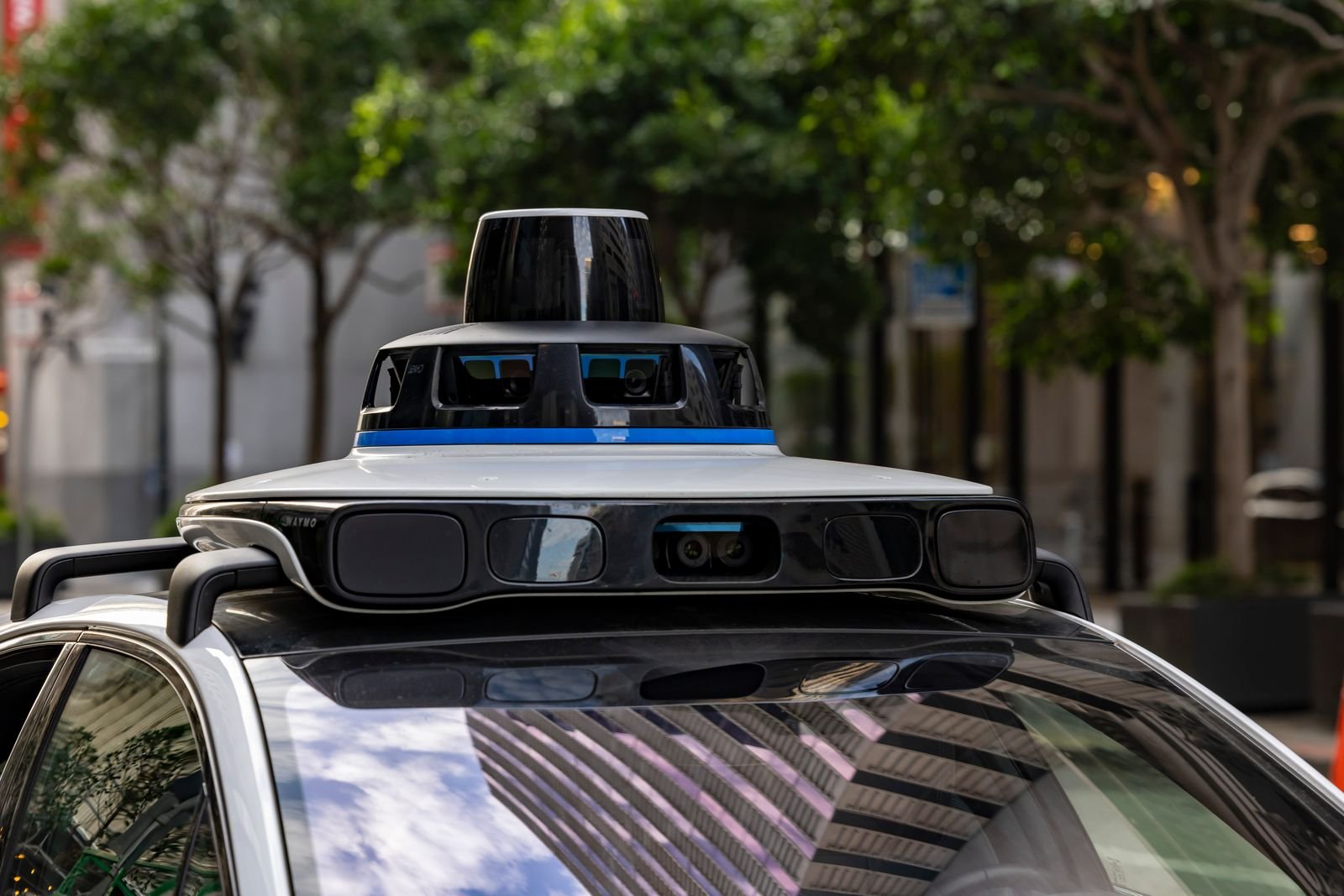
Phoenix has quietly turned into one of the largest testing grounds in the world for driverless vehicles. Back in 2020, Waymo launched the country’s first fully driverless, no-safety-driver ride-hailing service right here in the Phoenix area, and that program has expanded significantly since. By the end of 2025, Waymo alone logged over 68.6 million autonomous miles on Phoenix-area roads, making its robotaxis a completely routine sight along major Valley corridors. Companies market this tech as safer than human drivers, and early data supports those claims. Still, safer doesn’t mean bulletproof. When a vehicle operating without a human behind the wheel gets into a collision, the legal questions that follow look fundamentally different from a typical two-car wreck.
What the Safety Data Actually Shows
In its June 2026 safety data release, Waymo reported 0.58 injury-causing crashes per million miles driven during rider-only operations. Compare that to an estimated 1.98 crashes per million miles for human drivers in similar conditions, and you’re looking at a reduction of roughly 70 percent. The gap widened even more when looking at severe outcomes: 0.01 serious-injury or fatal crashes per million miles for Waymo, compared to 0.10 for human drivers.
Federal incident reports submitted to the National Highway Traffic Safety Administration between June 2025 and May 2026 revealed that about 10.7 percent of reported Waymo crashes involved injuries, with the vast majority categorized as minor. Additionally, roughly 40 percent of Phoenix-area incidents involved a vehicle speed change of less than one mile per hour. That same federal dataset documented one fatal collision involving a motorcyclist who was struck by another vehicle.
None of this implies that autonomous vehicles remove risk entirely. Rather, it shows that when something goes wrong, it happens against a backdrop of massive mileage and a tech company holding detailed digital logs of everything the car did right before impact.
Arizona’s Rule: The Software Is Treated as the Driver
Arizona led the way in integrating autonomous vehicles directly into state traffic codes, settling a core question that confuses many people after a driverless crash: if no human is steering, who is legally driving?
Under A.R.S. § 28-9702, operating an autonomous vehicle whether a human is inside or not remain subject to all applicable federal and state traffic laws. Subsection E makes this even clearer: when the automated driving system is engaged, "the automated driving system is considered the driver or operator of the autonomous vehicle for the purpose of assessing compliance with applicable traffic or motor vehicle laws."
In plain terms, a self-driving car can’t dodge Arizona’s rules of the road simply because there’s no person behind the wheel. The software legally takes the driver’s seat for compliance, directly shaping how an injury claim is built and who ends up named in it.
Who Can Actually Be Held Responsible
A crash involving a driverless car can point to multiple responsible parties, and separate theories of liability often apply at the exact same time:
- The operating company (e.g., Waymo): May face product liability or corporate negligence claims if software glitches or sensor flaws caused a decision a properly designed system shouldn’t have made.
- A remote assistance operator: Can be held accountable for failing to step in or respond appropriately if they were monitoring the vehicle.
- A component manufacturer: Holds liability if hardware defects such as faulty sensors, brakes, or steering components contributed to the wreck.
- Another human driver: Can still be found negligent under standard rules if their own actions caused or contributed to the collision, regardless of whether the other car was self-driving.
Why These Claims Move Differently Than a Normal Crash
A routine auto accident starts with two drivers, two insurance policies, and a police report drawn from eyewitness testimony and physical evidence at the scene. A driverless-car claim replaces that second driver with a corporation backed by deep legal teams, internal engineering metrics, and proprietary sensor logs.
That telemetry data tracking precise speed, braking, and object detection down to the millisecond can be an immense asset for an injured victim’s case. However, it must be formally identified and preserved right away before the company overwrites or purges it.
Underneath these technological layers, Arizona’s standard personal injury rules still apply. The state’s comparative negligence statute, A.R.S. § 12-2505, dictates how fault gets divided among contributing parties. Meanwhile, the strict two-year statute of limitations for personal injury claims under A.R.S. § 12-542 runs on its usual timeline, regardless of whether a human was driving.
The Insurance Picture Looks Different Too
In a typical wreck, you deal with the at-fault driver’s personal auto policy, navigating familiar policy limits and standard insurance adjusters. Colliding with a company-operated autonomous vehicle means stepping up against a major commercial entity backed by substantial corporate liability policies and dedicated risk-management teams.
This reality cuts both ways. On one hand, there is generally far more insurance coverage available compared to a standard driver’s policy. On the other hand, you face a far more sophisticated opponent with a strong incentive to guard its proprietary evidence tightly. Recognizing this dynamic early changes how you build the claim from day one.
What to Do After a Crash Involving a Driverless Vehicle
If an autonomous vehicle is involved in your crash, taking these key steps can protect your rights:
- Verify the police report details: Ensure the responding officer specifically notes that the vehicle was autonomous and names the operating company rather than listing a generic make and model.
- Document your injuries thoroughly: Seek medical treatment right away and keep complete records, as medical evidence establishes the financial value of your claim.
- Send a formal preservation request: Demand in writing as quickly as possible that the operating company preserve all camera footage, sensor logs, and telemetry data associated with the crash.
- Prepare for a complex process: Expect these claims to take longer and involve more parties than a standard two-driver claim, and avoid accepting early settlement offers until all vehicle data has been thoroughly examined.
The Bottom Line
Phoenix’s driverless car experiment is delivering impressive safety statistics on paper, but it hasn’t eliminated collisions or the need for skilled legal representation when crashes occur. Arizona law is clear: self-driving vehicles don’t get a pass on traffic safety rules just because the steering wheel is unmanned. Untangling what went wrong and holding the right parties accountable requires the thorough approach that Harris Injury Law brings to injured clients across the Valley. It demands the exact same rigorous evidence gathering that any experienced car accident lawyer phoenix drivers trust would use adapted for a new kind of driver on our roads.
About the Author
Jason A. Harris is the founder of Harris Injury Law, PLLC, a personal injury and workers’ compensation firm based in Phoenix, Arizona, practicing since 2006. He is licensed by the State Bar of Arizona and is a member of the Arizona Association for Justice, representing clients injured in crashes involving both conventional and autonomous vehicles across Maricopa County.
