

If you look out at your staff car park or think about your daily delivery routes, you’re looking at one of your business’s sneakiest overheads. Between fluctuating diesel prices, vehicle maintenance, and Clean Air Zone charges, running a traditional fleet has become an expensive headache.
In the 2026 commercial landscape, shifting your company vehicles to electric isn’t just about polishing your corporate social responsibility credentials. It has become a sharp defensive financial play. The combination of targeted tax breaks, lower running costs, and massive changes to employee benefits means that sticking with internal combustion engines is increasingly costing you money.
Here is why now is the definitive window for UK businesses to make the jump to electric vehicles (EVs).
1. The 100% Tax Shield (First-Year Allowances)
When your business buys a standard petrol or diesel car, you usually have to write off the cost slowly over several years using standard capital allowances.
With a brand-new, fully electric vehicle, the government lets you deploy a financial superpower called Full Expensing. You can claim a 100% first-year allowance, meaning you can deduct the entire purchase price of the vehicle from your taxable profits in the very first year.
The Strategy: If your firm buys a £40,000 electric company vehicle, you can wipe that full £40,000 straight off your taxable profits before your corporation tax is calculated. If you are a larger firm paying the 25% main rate, that’s an instant £10,000 cash saving on your tax bill. This generous deduction is locked in until 31 March 2027, making the next several months the sweet spot to buy.
2. The Salary Sacrifice Recruitment Loophole
If you aren’t offering an EV Salary Sacrifice Scheme, you are missing out on one of the most powerful recruitment and retention tools on the market – and it costs your business nothing to set up.
The scheme allows employees to pay for a leased electric car directly from their gross salary before income tax and National Insurance are deducted. Because electric vehicles enjoy an incredibly low Benefit-in-Kind (BiK) company car tax rate of just 4% for the 2026/27 financial year (compared to up to 37% for conventional cars), the savings are spectacular.
The Maths: An employee can get a brand-new electric car for roughly 30% to 40% less than it would cost them on the high street. For the business, you save on your Employer National Insurance Contributions (which sit at 15% this year) because the employee’s gross taxable salary is lower. It is a genuine win-win.
3. Slashing the Daily Running Margins
Even with the recent changes that introduced standard Vehicle Excise Duty (road tax) for electric vehicles, the per-mile cost of electricity completely outclasses fossil fuels.
If your team is charging vehicles at the office using a commercial energy tariff, the cost per kilowatt-hour averages around 26p.
The Comparison:
- Electric: Recharging an EV at the workplace costs roughly 5p to 7p per mile.
- Diesel: A standard diesel van or car will cost you anywhere from 15p to 22p per mile in fuel.
If you have a sales team or delivery drivers clocking up 20,000 miles a year, that difference represents thousands of pounds saved per vehicle, every single year. Maintenance costs are also roughly 30% lower because electric drivetrains have fewer moving parts – no oil changes, no spark plugs, and significantly less wear on brakes due to regenerative braking.
4. Subsidized Charging Infrastructure
One of the main reasons business owners hesitate to go electric is “charger anxiety” – the fear of the upfront cost of installing commercial infrastructure.
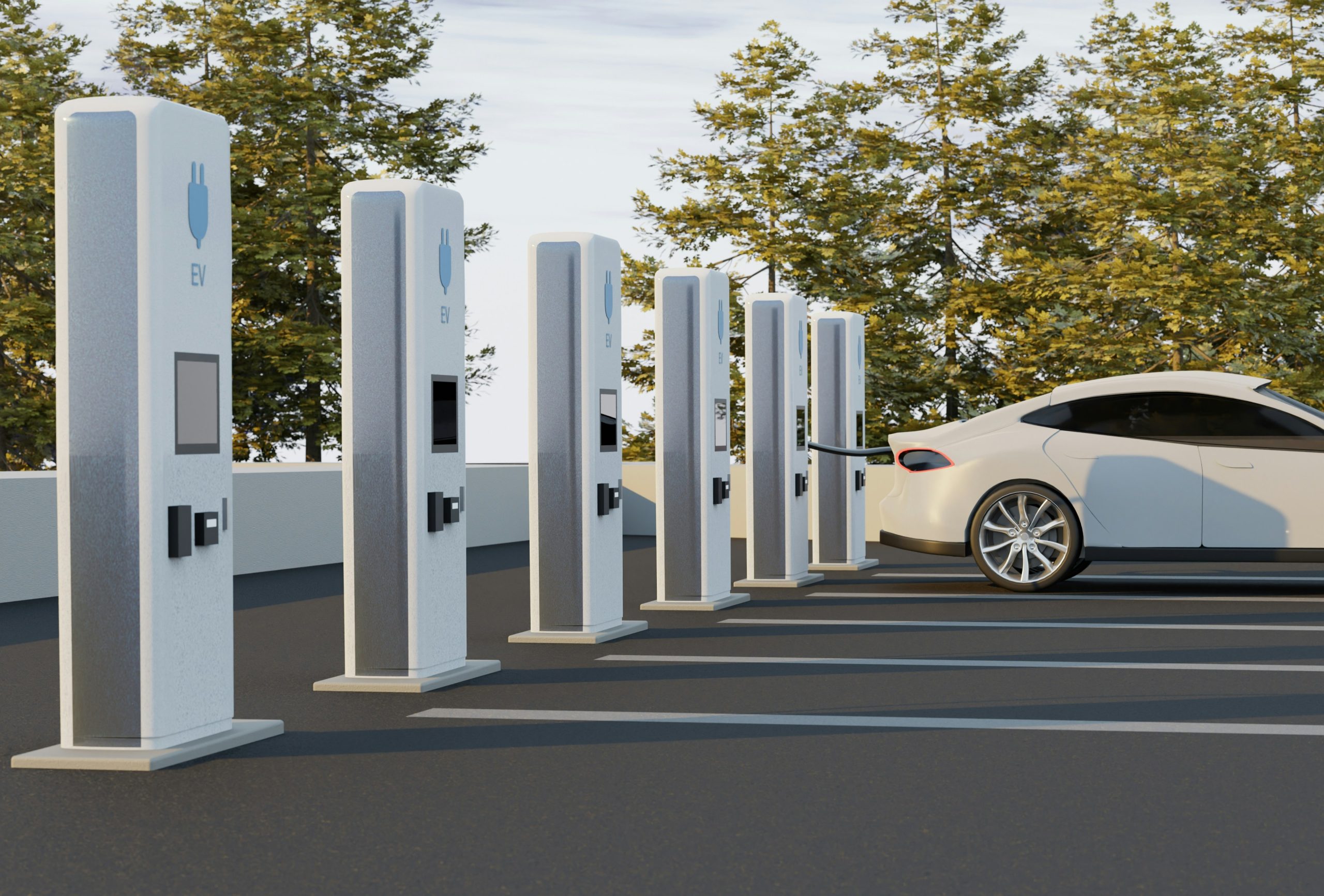
To take the sting out of this, the government’s Workplace Charging Scheme has been boosted for its final run before closing on 31 March 2027. The grant value has increased to £500 per socket (covering up to 75% of the total installation and hardware costs).
Your business can claim up to 40 sockets across your commercial properties, which is a potential £20,000 subsidy to future-proof your building’s electrical setup.
The “Clean Air” Defensive Play
If your business operates in or around major UK cities, the map is working against older vehicles. Clean Air Zones and low-emission zones are expanding rapidly.
While zero-emission vehicles face a slight daily congestion charge in London (though still eligible for a 25% Auto Pay discount), they completely bypass the punitive fines and entry fees applied to older diesel and petrol fleets. If your drivers are wasting £12.50 or £15 a day just to cross a city boundary, switching to electric instantly removes that friction from your operations.
The Verdict
Switching your business to electric vehicles is no longer a speculative bet on the future; it is a calculation for the present. By aligning your purchase with the 100% first-year allowances and taking advantage of the £500 workplace charging grants before they disappear in 2027, you can dramatically lower your firm’s overheads while offering a massive tax-free perk to your staff.
