
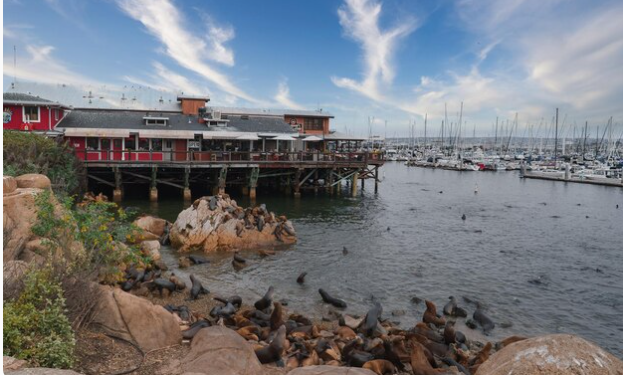
River otters frequently contribute to the visual texture by swimming close to docks, climbing onto floats, and occasionally surprising tourists who weren’t prepared for a wild animal that close. Most interactions come to a peaceful conclusion. The assault on a two-year-old girl in September 2024 did not.
| Port of Bremerton Otter Settlement — Key Information | Details |
|---|---|
| Settling Body | Port of Bremerton |
| Plaintiff Family | Family of a 2-year-old girl |
| Settlement Amount | $350,000 |
| Settlement Approval | April 2026 |
| Insurance-Funded | Yes |
| Incident Date | September 2024 |
| Incident Location | Bremerton Marina, Puget Sound |
| Animal Involved | River otter |
| Injuries | Bites and scratches to child’s face, head, legs |
| Mother’s Injury | Bites while rescuing child |
| Medical Response | Rabies vaccinations for both |
| Lawsuit Allegation | Negligence for ignoring aggressive otter reports |
| Wildlife Authority | Washington Department of Fish and Wildlife |
| Port CEO | Jim Rothlin |
| Reference Resource | Kitsap County records |
The Port of Bremerton agreed to provide the family $350,000 as part of the settlement in April 2026. According to Washington State personal injury settlement standards, the sum is significant but not very large. The dollar amount isn’t really what makes the case worth investigating. The case focused on the more general issue of how publicly run marinas should react when reports of aggressive wildlife behavior are made on a regular basis and no action is taken.
When you read about the occurrence for the first time, it’s the kind of moment that you don’t completely comprehend. A young child in a public marina strolling close to the water. An otter came up to her, attacked, and pulled her into Puget Sound. A mother who, despite getting bitten herself, leaped in to pull her child back.
Following that, both needed to have rabies shots. The family filed the lawsuit in 2025, claiming that the Port of Bremerton had been notified of several instances of aggressive otter behavior at the marina over the course of more than a year prior to the attack, but had not taken the necessary action to either remove the animal, issue warnings, or work more closely with state wildlife authorities.
A specific needle was threaded by the Port’s response, which was presented in terms of cautious institutional liability management. When wildlife encounters take place, the marina promptly notifies the Washington Department of Fish and Wildlife, according to Port CEO Jim Rothlin.
Both parties described the settlement as a “compromise of disputed and uncertain claims,” with neither acknowledging blame. The Port’s operating budget is not immediately impacted by the insurance-funded payout structure, but a six-figure resolution pertaining to the wildlife management procedures of a publicly run facility is now included in the public record.
In situations such as these, the immediate victims are not the only longer-tail worry. It’s the standard. In the Pacific Northwest, river otters coexist with people in hundreds of marinas, public docks, and coastal recreation sites. While uncommon, aggressive behavior is not unheard of.
Given the legal liability that arises once a settlement of this magnitude is made public, the Bremerton settlement may change how other ports record and handle reports of wildlife incidents. Speaking with experts in marine recreation management, it seems likely that the matter will be brought up for years in internal risk conversations along Washington’s coast.
The lawsuit claims that after the attack, the youngster has continued to have nightmares and act aggressively. That information conveys something that the dollar amount cannot, but it rarely appears in press coverage of settled cases. The injury wasn’t just physical, and a check that arrived in 2026 wasn’t the only thing that fixed it.
Reading the court documents gives me the impression that the family will endure the ordeal for a lot longer than the settlement is designed to take into consideration. The topic worth keeping an eye on is if the Port’s wildlife-coordination procedures alter significantly as a result of the case.