

Over the previous few years, if you’ve traveled north out of Jackson’s downtown, you most likely passed Hotel O without giving it any notice. A faded sign. Weeds have partially recovered a parking lot. The type of structure that subtly ceases to be a building and becomes a hazard, a problem, and ultimately something the city must deal with when a fire call is received at three in the morning. The location had been a public annoyance for so long that most neighbors welcomed the demolition with more relief than nostalgia by the time the wrecking equipment arrived in early 2025. There’s a lot left now. There is still a lawsuit.
After years of unresolved code citations, fire calls, and police runs, the City of Jackson is pursuing Noah Muthana, the owner of the property, to recoup the expense of demolishing the hotel. The kind of detail that counts is the City Council’s unanimous approval of the lawsuit. Like other American communities, Jackson’s politics may break down over nearly anything. When all council members agree on the same legal approach, it usually indicates that the underlying annoyance has been growing for some time.
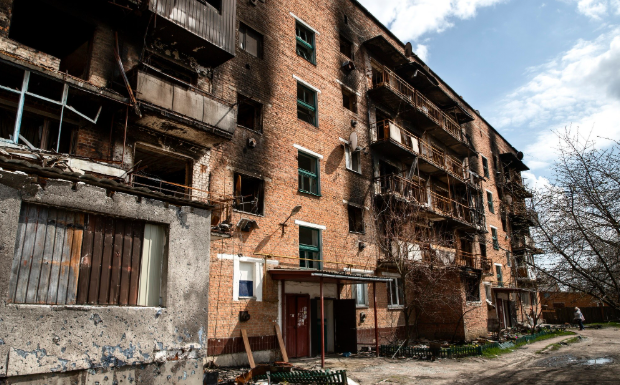
The aspect that lingers is the story that lies beneath the complaint. The downfall of a 100-room hotel on a busy interstate corridor is not an accident. It gradually deteriorates as inspections mount, ownership becomes more elusive, and occupants shift from paying visitors to squatters. The neighbors make a call. visits by code enforcement. Letters are sent and then disregarded. A property crosses the line from “neglected” to “menace” at some point, and a city then understands it will have to use public funds to repair something it did not break. Jackson has previously visited this location. Birmingham, Detroit, and half of post-industrial America have all done the same.
Even if you don’t agree with Muthana’s perspective, it’s still worth listening. He contends that by closing the hotel in the first instance, leaving it unoccupied and unsafe, and then blaming him for what transpired later, the city itself created the cycle. There is a valid grievance within that: vacant buildings do deteriorate more quickly, and municipal regulation can occasionally hasten the very deterioration it seeks to stop. However, since 2022, the property taxes have not been paid, which is a sort of response in and of itself. You stopped paying taxes on a building three years ago, so it’s difficult to claim you were a good custodian of the property.
Beyond the local politics, this case is intriguing because of what Jackson’s lawyers appear to be attempting to construct. They are pursuing more than one bill. They are creating a model for liens, recovery proceedings, and civil lawsuits that can be used to target the numerous abandoned properties that are dispersed throughout the city. If they win this one handily, other Mississippi cities will look at it and very likely follow suit. If they lose, it sends the reverse message, leading absentee owners throughout the area to surreptitiously assume that the patience of the municipality can be outwaited.
