
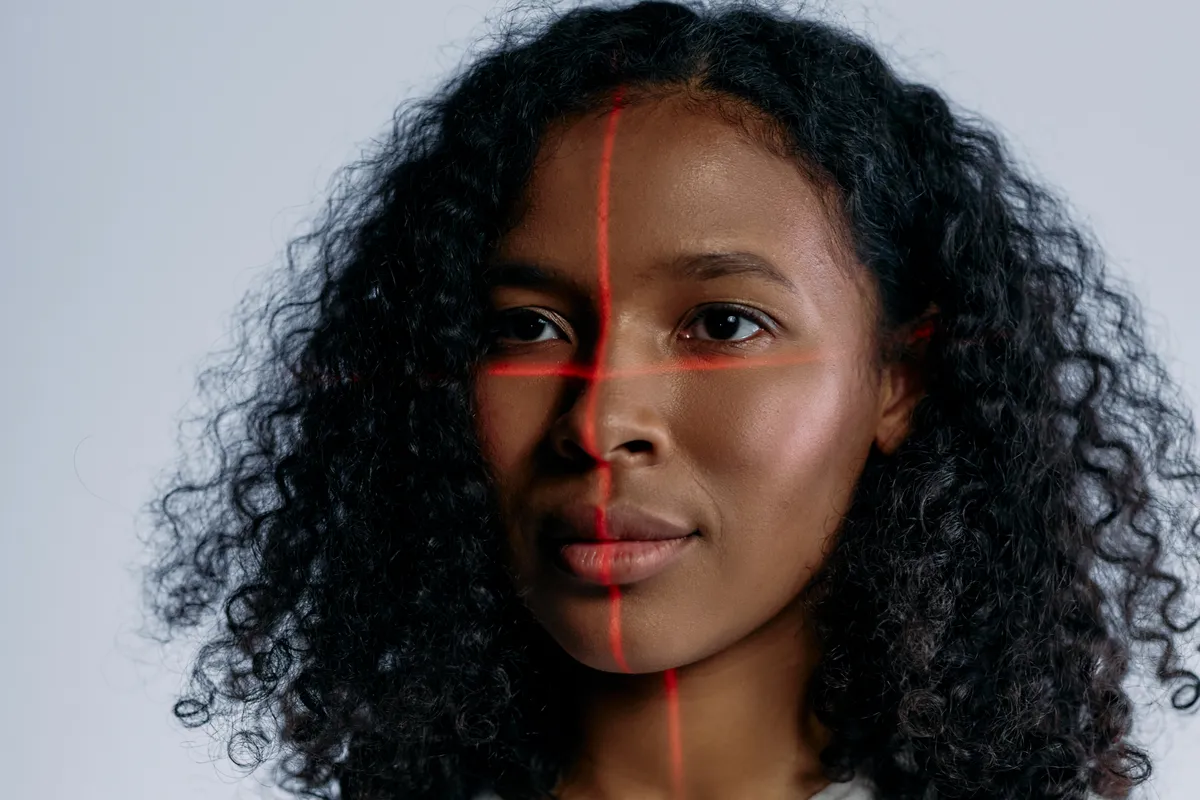

Robert Dillon, a 52-year-old commercial crabber from Fort Myers, Florida, is at the centre of a facial recognition wrongful arrest case now before a federal court, after police charged him with attempted child abduction on the basis of a flawed AI match and a photo lineup the warrant application failed to disclose had been contaminated. The lawsuit was filed on 10 June 2026 by the American Civil Liberties Union (ACLU), the ACLU of Florida, and the law firm Hoguet Newman Regal & Kenney, LLP.
The ACLU press release names four defendants: the city of Jacksonville Beach, the Jacksonville Beach Police Department, the Jacksonville Sheriff’s Office, and the Pinellas County Sheriff’s Office. The action was filed in the US District Court for the Middle District of Florida and seeks compensatory and punitive damages, as well as mandatory safeguards on how the defendant agencies may use facial recognition in future.
How a Grainy Phone Photo Became Probable Cause
The incident dates to November 2023, when officers in Jacksonville Beach responded to a report that a man had attempted to persuade a girl under twelve years old to leave a McDonald’s restaurant with him. The responding officer attended the scene but, rather than securing a copy of the CCTV footage, photographed the screen with his mobile phone. Those images (low resolution, partially shadowed, and off-axis) became the foundation of everything that followed.
With no other leads, investigating officer Scott O’Connell eventually passed the photographs to an investigator at the Jacksonville Sheriff’s Office, who ran them through a facial recognition system. The system returned a result identifying Dillon with 93 per cent confidence. According to the ACLU case page, police then allowed that facial recognition result to taint a subsequent photo lineup before seeking the arrest warrant, a step omitted entirely from the warrant application itself. A McDonald’s employee picked Dillon’s photograph from that lineup, and it was the combination of the employee identification and the AI match that Jacksonville Beach police used to obtain the warrant, StateScoop reports.
In August 2024, deputies arrested Dillon at his home in Fort Myers, a five-hour drive and more than 300 miles from Jacksonville Beach, according to The Guardian. ‘Are you shitting me, man?’ he told the arresting deputy. ‘I haven’t been out of Fort Myers in two years.’ During a subsequent phone call, O’Connell ‘accused [Dillon] over and over again of a heinous crime that I knew I didn’t commit,’ Dillon has said, as CBS News reported.
Evidence Police Did Not Pursue in the Facial Recognition Wrongful Arrest
The lawsuit sets out several investigative steps that were never taken. The suspect had placed his order through a mobile app, meaning an online account existed with contact details and payment information that could have identified him. The McDonald’s manager recognised the man as a regular customer, a description that would likely have excluded Dillon, who lived and worked at the other end of the state. Investigators did not seek historical surveillance footage for better-quality images or transaction records, and they did not obtain a warrant for Dillon’s mobile phone GPS data, which would have placed him at his home or otherwise on the night of the alleged offence.
The licence plate reader check O’Connell did run found no trace of Dillon’s vehicles in Jacksonville Beach in the 48 hours surrounding the incident. That negative result did not halt the investigation.
Dillon was charged with enticing or luring a child, a third-degree felony carrying a maximum sentence of five years in prison. He posted bail and pleaded not guilty. Prosecutors dropped the charges more than two months later, after his attorney produced evidence that he had been at work on the day of the alleged offence. Even after the charges were dropped, it took a full year for his mug shot to be removed and the arrest expunged from his record.
The ACLU’s Broader Challenge to Facial Recognition Policing
Dillon’s case is part of a documented pattern. Politico reports the ACLU now puts the total number of wrongful arrests in the United States arising from incorrect facial recognition results at at least 15, with Dillon’s case accounting for the latest addition to that figure. The person previously identified as the fourteenth was Kimberlee Williams, a grandmother living in Oklahoma who was arrested on a Maryland warrant and jailed for six months, as the ACLU’s own prior reporting sets out.
Jacksonville Sheriff T.K. Waters, himself named in the lawsuit, has acknowledged the limitation of the technology, telling local news that if an officer came to him with a facial recognition hit as the sole basis for probable cause, he would likely reject it. That acknowledgement did not prevent an investigator from his office from advising O’Connell that the grainy image was a 93 per cent match.
‘Over a year later, I’m still picking up the pieces of my life, all because the police relied on this dangerous technology instead of doing their jobs and actually investigating,’ Dillon said, according to Common Dreams.
Whether the case produces a court order requiring the defendant agencies to adopt new protocols, or settles on terms that include policy commitments, it will form a reference point for any legislative effort in Florida or at federal level to regulate the use of facial recognition in criminal investigations.
