

Mistrust runs deep when the systems meant to protect you have historically failed. For Gypsy and Traveller families across Wales, that wariness extends to solicitors, courts, and legal advice services—institutions many believe weren’t built with them in mind.
On 6th February, two Wales-based community interest companies announced a partnership designed to bridge that gap. The National Community Law Project CIC and There and Back Again CIC will combine grassroots advocacy with structured legal support, targeting barriers that have left two distinct ethnic minorities among the most disadvantaged groups in Britain.
The collaboration comes at a critical juncture.
Despite protection under the Equality Act 2010, Gypsy and Traveller communities face disproportionate eviction rates, aggressive planning enforcement, and routine exclusion from essential services. National equality bodies confirm these families experience some of the poorest outcomes of any ethnic group in the country. Yet accessing legal help to challenge unlawful decisions remains fraught with obstacles: fear of repercussions, lack of culturally competent advice, and a justified scepticism toward statutory services.
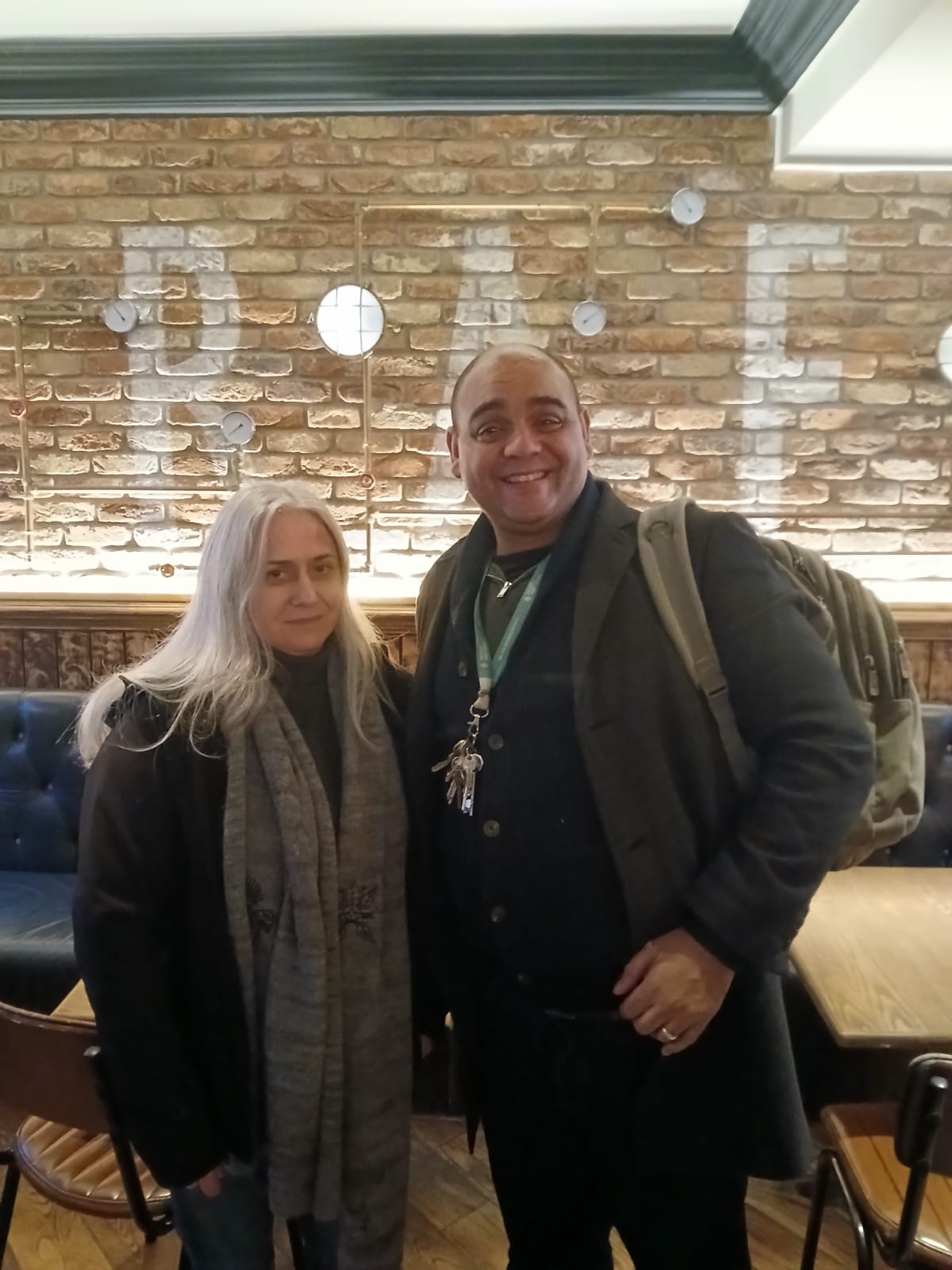
Rhiannon Jones, who leads There and Back Again CIC, works directly with families navigating systems that weren’t designed for their lived realities. Her organisation centres on advocacy and empowerment, pushing for policy changes that treat families with dignity rather than suspicion. The partnership with The National Community Law Project CIC, led by managing director Dane Marks, will bring law students and graduate volunteers into that work—conducting legal research, supporting advocacy efforts, and delivering rights-based education.
Marks framed the collaboration as a deliberate shift in perspective.
“This partnership is about recognising families, not problems,” he explained. “By combining grassroots leadership with structured legal support, we can help address immediate legal challenges while also contributing to long-term policy change that reflects the real experiences of Gypsy and Traveller families.”
The model addresses multiple pressures simultaneously. Families gain access to legal support rooted in cultural understanding. Law students develop skills rarely taught in lecture halls—compassion, nuance, and an awareness of how discrimination operates within ostensibly neutral legal frameworks. Both organisations believe the approach could reshape how future solicitors and barristers engage with marginalised communities.
Wales has acknowledged the scale of inequality facing Gypsy and Traveller families through its 2022-2027 strategy, which recognises long-standing disadvantages in housing, education, health, and legal access. Yet policy recognition doesn’t automatically translate into improved outcomes. Research by organisations including Friends, Families and Travellers has documented persistent discrimination by public authorities, mistrust that prevents families from asserting their rights, and limited awareness of legal protections even when they exist on paper.
Planning disputes illustrate the problem starkly. Traveller families seeking to establish legal sites often face enforcement action that settled communities wouldn’t encounter, while councils cite planning regulations that make authorised pitches nearly impossible to secure. When families challenge these decisions, they frequently do so without legal representation, unfamiliar with processes that can determine whether they have somewhere to live.
The partnership aims to intervene at that point—and earlier, before disputes escalate.
Through There and Back Again CIC’s established relationships, The National Community Law Project CIC will connect families with volunteers capable of explaining rights, drafting letters, and supporting tribunal or court proceedings. The work extends beyond individual cases. Both organisations see legal education as central to rebuilding trust, equipping families with knowledge that reduces dependence on external advocates.
For law students involved, the experience offers a counterweight to traditional training. Rather than hypothetical scenarios or corporate client work, they’ll encounter families whose housing security, children’s education, and access to healthcare depend on navigating legal systems designed without their input. That exposure matters in a profession where cultural competence remains inconsistent and where many solicitors lack understanding of the specific challenges facing Gypsy and Traveller communities.
Amnesty International UK’s 2012 report on eviction powers highlighted how families are often moved on without meaningful consideration of their rights or welfare. More than a decade later, those patterns persist. Evictions continue. Planning applications get refused. Discrimination complaints go unchallenged because families don’t believe raising them will change anything.
Both organisations view the collaboration as a step toward altering that calculus—not through grand pronouncements, but through sustained engagement that demonstrates legal systems can serve these communities rather than police them.
The timing coincides with growing recognition across the legal sector that access to justice has narrowed dramatically for low-income and marginalised groups. Legal aid cuts, tribunal fee increases, and court delays have compounded existing barriers. For communities already wary of engaging with formal processes, those obstacles can prove insurmountable.
Whether this partnership can meaningfully shift outcomes will depend on reach, resources, and the willingness of public authorities to respond when families do assert their rights. What’s clear is that current arrangements aren’t working. Gypsy and Traveller families remain over-represented in negative statistics and under-represented in policy-making processes that affect their lives.
The National Community Law Project CIC and There and Back Again CIC are betting that combining grassroots credibility with legal expertise can begin to close that gap. Law students will gain formative experience. Families will access support previously out of reach.
By the time Wales’ current Gypsy, Roma and Traveller strategy concludes in 2027, the organisations hope to demonstrate that inclusion in legal processes isn’t aspirational—it’s achievable when approached with cultural understanding and genuine commitment to addressing systemic disadvantage.
