

For 88 days, it was effective. Hadley was incarcerated for that duration as the case against her gradually came to light.
The story’s cruelty isn’t the only thing that makes it so hard to watch. It’s that before they even took her into custody, Anaheim police had important evidence. The phony rape fantasy posts were linked to devices at the Diaz residence by investigators after they served warrants to Craigslist and Microsoft. June 22, 2016, was that date. Two days later, Hadley was taken into custody. Something about that series of events is still difficult to fully understand.
Hadley was officially cleared when the charges were dropped in January 2017. After entering a guilty plea to perjury and other charges, Angela Diaz received a five-year sentence. Ian Diaz, who had claimed that his wife had also tricked him, was found guilty in 2023 of federal cyberstalking and perjury and given a ten-year sentence. Hadley gave birth to her daughter on the day of the verdict. That detail, which is difficult to write even in fiction, conveys the extent to which her life had progressed.
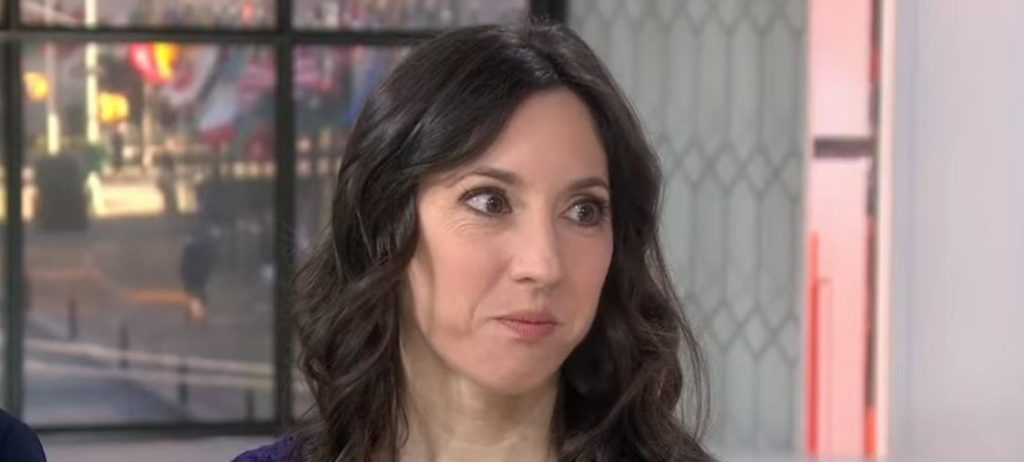
However, the criminal convictions did not mark the end of the legal chapter. Hadley filed a civil lawsuit against the city of Anaheim and its police force in November 2019, claiming that the officers had purposefully disregarded evidence that directly implicated the Diazes. Serious concerns regarding departmental training and whether Anaheim had the right procedures in place to stop this kind of investigative failure were brought up by the lawsuit. The city’s lawyers resisted, claiming the arrest had probable cause.
David Carter, a U.S. District Judge, was not persuaded. He concluded in a September 2020 decision that Hadley would not have had probable cause to be arrested if a “reasonably competent investigator” had examined the available evidence. That decision was important because it’s one thing for a case to fall apart after the fact, but it’s quite another for a federal judge to rule that the arrest was unnecessary given what the police already knew.
In April 2021, the city made a settlement. The agreement was approved by the Anaheim City Council, and a representative said in a statement that they hoped it would provide “peace and resolution” for Michelle. At the time, the settlement amount was not made public, but subsequent reports mentioned amounts of about $1.8 million. Although the city never formally confirmed it, that figure has been widely circulated since Netflix’s 2026 documentary A Toxic Love Story rekindled public interest in the case.
There is no clear answer to the question of whether $1.8 million, or any amount, is sufficient to cover 88 days in jail, a life suspended, and the long-term psychological damage. Hadley has mentioned that she will always remember the experience. Despite this, she finished her MBA, developed a marketing career, started a consulting business, and authored two books about overcoming trauma. Observing her story from the outside gives the impression that she methodically rebuilt it—not by acting resilient, but by genuinely living it.
In a larger discussion about police accountability and what happens when institutions disregard the evidence, the Michelle Hadley lawsuit payout is significant. The settlement may have altered some of the Anaheim Police Department’s internal procedures. Maybe it didn’t. Compared to a dollar amount, those things are more difficult to quantify and seldom garner the same amount of media attention.
Beyond the Netflix documentary and the court documents, the case leaves behind a fairly stark example of what happens when investigators stop asking the questions they ought to have from the beginning.