
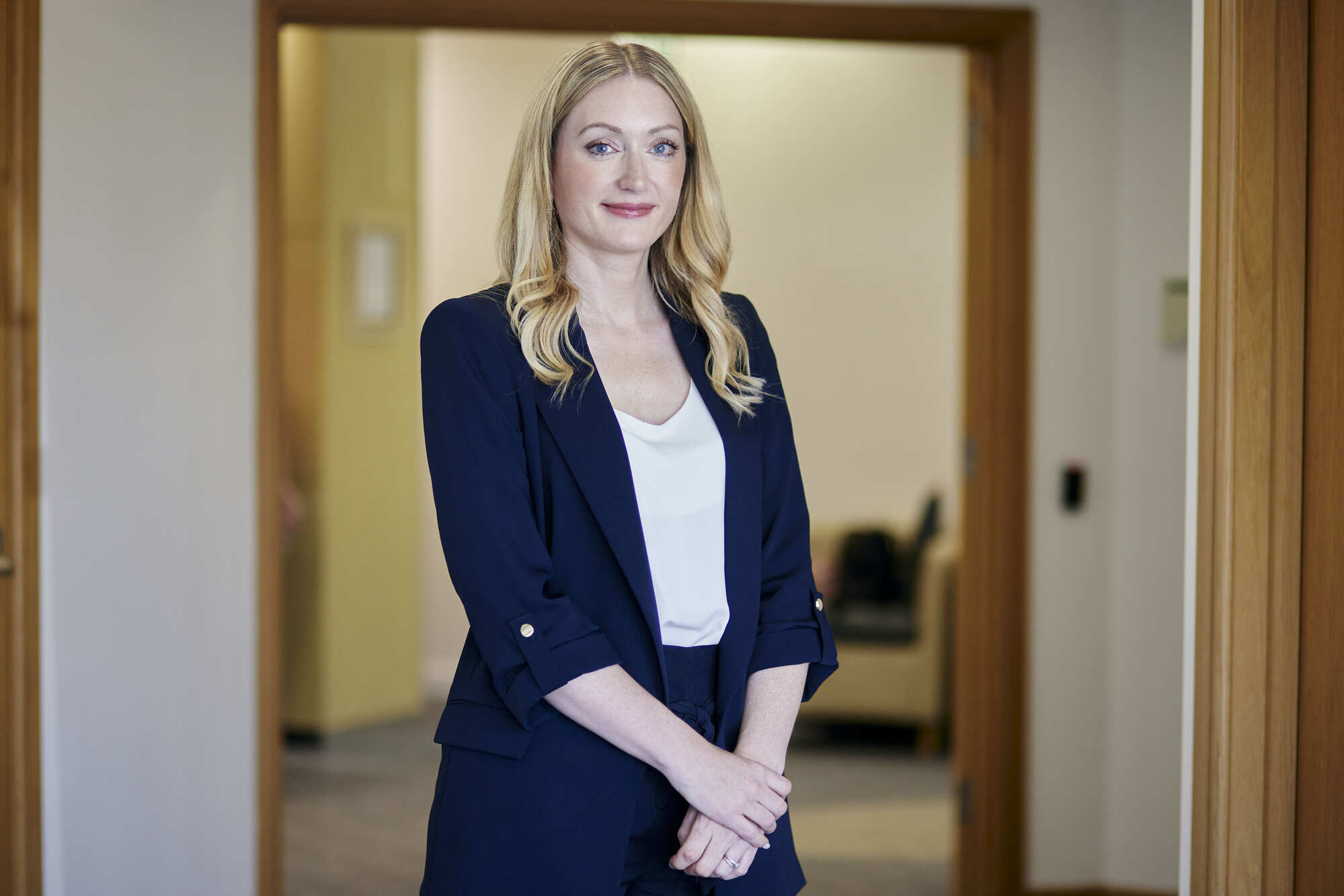

Charlotte Morgan’s career has been shaped by the kind of trauma her clients endure. Early bereavement. Supporting a loved one through recovery from a serious road collision. Navigating a lifelong medical diagnosis whilst building a legal practice. On Friday, May 1, those experiences—combined with a track record of securing multi-million-pound settlements—earned her promotion to legal director at Enable Law.
The Plymouth-based personal injury specialist will now drive the firm’s work across Devon and Cornwall, overseeing complex cases that can take years to resolve. Her appointment marks the latest step in Enable Law’s regional expansion, as the firm strengthens its position in the South West market for catastrophic injury claims.
Morgan joined the firm’s parent company, Foot Anstey, in 2014. Since then, she’s built a reputation handling cases that demand both technical expertise and emotional intelligence. One recent matter involved securing compensation for a former soldier diagnosed with a neurological disorder following a training incident. Another saw her support the family of a man who suffered fatal injuries in a workplace accident. A third client—a young man catastrophically injured in a road traffic collision as a teenager—required years of rehabilitation planning alongside the legal claim.
“I am naturally thrilled to have been appointed legal director because Enable Law is a law firm with a strong commitment to supporting clients through the most challenging periods of their lives,” Morgan said.
Those aren’t empty words. Personal injury work at the catastrophic end—spinal injuries, brain damage, life-changing trauma—requires solicitors who can navigate medical evidence, calculate lifetime care costs, and sit with clients through the bleakest moments of their recovery. Morgan’s own experiences, she acknowledged, provide a framework for that work.
“I feel that my personal experiences have allowed me to understand and relate to clients who are facing very complex personal circumstances,” she explained. “But I’m incredibly grateful to the colleagues, mentors, family and friends who have supported me throughout my career so far.”
Her Plymouth office overlooks Sutton Harbour Marina, part of a network that now spans seven locations. Enable Law operates from Plymouth’s headquarters alongside teams in Exeter, Truro, Southampton, Bristol, Taunton and London. The firm has established itself within the UK’s personal injury and medical negligence sector, also handling mental capacity and education law matters.
For the South West specifically, Morgan’s promotion signals Enable Law’s intent to capture a larger share of high-value personal injury work. The region’s personal injury market has grown competitive in recent years, with national firms expanding their presence and regional practices fighting to retain complex cases that can generate six- or seven-figure settlements.
“It’s been great to have been part of the Enable Law journey as we’ve grown,” Morgan noted. “Now I’m looking forward to collaborating with colleagues to strengthen our position as the go-to law firm for people who’ve sustained serious injuries, helping them secure compensation and access rehabilitation and support they need to rebuild their lives.”
Rob Antrobus, Head of Enable Law, framed the appointment as recognition of Morgan’s contribution to the firm’s regional growth. “Charlotte is a top-class solicitor who has played an important role in Enable Law’s regional growth,” he said.
The technical demands of catastrophic injury work have intensified. Clients now live longer with severe injuries, requiring more sophisticated lifetime care planning. Courts expect detailed evidence on adaptive technology, psychological support, and ongoing medical needs. Solicitors must coordinate with medical experts, care providers, and rehabilitation specialists whilst negotiating with insurers who defend every line item.
“She has the expertise, ability and insight to relate to Enable Law clients which empowers them in turn to build strong relationships of trust with her which ultimately results in better outcomes for their legal cases,” Antrobus added.
Morgan’s caseload has consistently featured matters that take years to conclude. Multi-million-pound settlements don’t arrive quickly. Neurological assessments can take months. Disputes over future care needs stretch through multiple expert reports. The former soldier case alone would have required extensive medical evidence linking the training incident to the subsequent diagnosis.
“At Enable Law, we place our clients at the heart of everything we do, and that commitment truly makes a difference,” Morgan said from her Plymouth base.
The firm’s expansion across the South West positions it to compete for cases that might otherwise migrate to London practices. Devon and Cornwall generate significant personal injury work—agricultural accidents, maritime incidents, road collisions on rural routes—but historically many high-value cases have been handled by firms outside the region.
Whether Morgan’s promotion accelerates Enable Law’s growth will depend partly on the firm’s ability to attract the kind of complex, high-value instructions that justify a legal director focused solely on personal injury. The South West market has capacity, but it’s also crowded. National firms maintain regional offices. Local practices have deep community roots. Enable Law, having evolved from Foot Anstey’s structure, sits somewhere between those poles.
For now, Morgan’s focus remains on the work itself. Catastrophic injury clients don’t care about market positioning. They need someone who understands what it means when life fractures—and how to navigate the legal system whilst it’s still breaking.
