
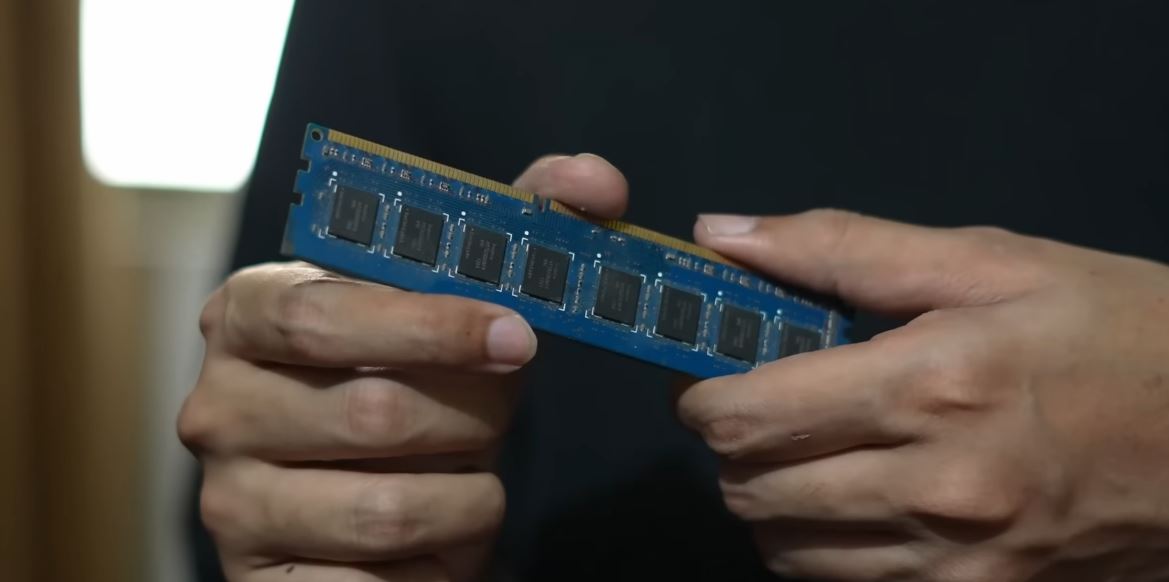

You may have noticed that prices have gone up a lot in the last year if you’ve tried to buy a laptop, build a PC, or even a game console. Memory has become much more expensive. Memory is made up of DRAM chips, which are found in almost all computers. The usual explanation was that AI data centers were using up all the supply. A class action lawsuit filed in late June 2026 in the US District Court for the Northern District of California, on the other hand, tells a different story. It says that three companies that make more than 90% of the world’s DRAM worked together on purpose.
People who are being sued are Samsung, SK Hynix, and Micron. The case is called Garciaguirre et al. v. Samsung Electronics Co., Ltd., et al. Seventeen plaintiffs—thirteen individuals and three small PC businesses—say that these companies worked together to limit the production of regular DDR3 and DDR4 memory, shifting production capacity to high-bandwidth memory used in data centers while letting prices for consumer-grade DRAM rise by about 700% over four years. It’s not a mistake. The plaintiffs say that this coordinated change “makes no economic sense unless there was collusion.” It’s a big claim, and it will be hard to prove. But the claims are more likely to be true because of what happened when these three companies were in court together before.
Samsung, Hynix (the company that came before SK Hynix), and Micron worked together illegally to set the prices of DRAM sold to major American computer companies from 1998 to 2002. The case was handled by the Department of Justice. Samsung said they were guilty and paid a $300 million fine. Hynix paid $185 million. A number of Samsung executives went to jail. Micron avoided punishments by telling investigators about the scheme and working with them. When you read the new complaint, you get the sense that the plaintiffs are counting on this history to show a pattern. There is no way to know if a federal judge will feel the same way.
The companies have been cautious in their responses. Micron said in a statement that it doesn’t agree with the claims and that it competes “vigorously, fairly, and in compliance with all applicable laws.”” Even though SK Hynix acknowledged the complaint, it said it would respond after reading it. Samsung didn’t say anything right away. As the case is still in its early stages, none of this is unusual, but the careful language shows that these companies are taking the suit seriously.
The bigger picture is what makes this case feel different from a normal antitrust case. Prices for consoles have gone through the roof. The base PS5 now costs $150 more than it did when it first came out, and the Xbox Series X costs $300 more. Valve’s Steam Machine is said to have sold for several hundred dollars more than what was planned. Apple raised the prices of all of its MacBooks and iPads. It seems like the so-called RAMpocalypse has affected almost every part of consumer electronics. Tech experts think that supply problems could last until 2028. When you walk into any electronics store, you can feel the pressure. The sticker shock is real, and it’s not just happening to fans who are building their own PCs.
The lawsuit uses the Sherman Anti-Trust Act and California’s Cartwright Act, which lets people who didn’t directly buy something sue in antitrust cases. The plaintiffs are asking for three times the amount of money they say they lost in damages and a permanent order to make the conventional DRAM market competitive again. You should pay attention to that injunction language because it makes it sound like the plaintiffs aren’t just looking for money. They want these companies to change the way they structure how they divide up production capacity.
Skepticism is still a good thing to have. In 2018, a similar lawsuit was brought in the same court against the same three companies. It was thrown out because the judge couldn’t find clear proof of an agreement that showed the companies were working together on purpose. That decision was upheld in court. In an oligopoly, it’s notoriously hard to prove collusion because companies making similar strategic decisions in response to the same market signals is not the same as conspiracy. For the new plaintiffs, they will need more proof.
People have responded online with a mix of anger and dark humor. A lot of people on Reddit are talking about how they expect to get a $2.37 settlement check in seven years. Others have pointed out that the fines from past cases of DRAM price fixing were basically just business costs. It’s getting old to hear the same types of accusations being made against the same companies. Only time and the courts will tell if this lawsuit makes a real difference or just adds another chapter to the long and troubled history of memory pricing. For now, though, the prices keep going up.
