
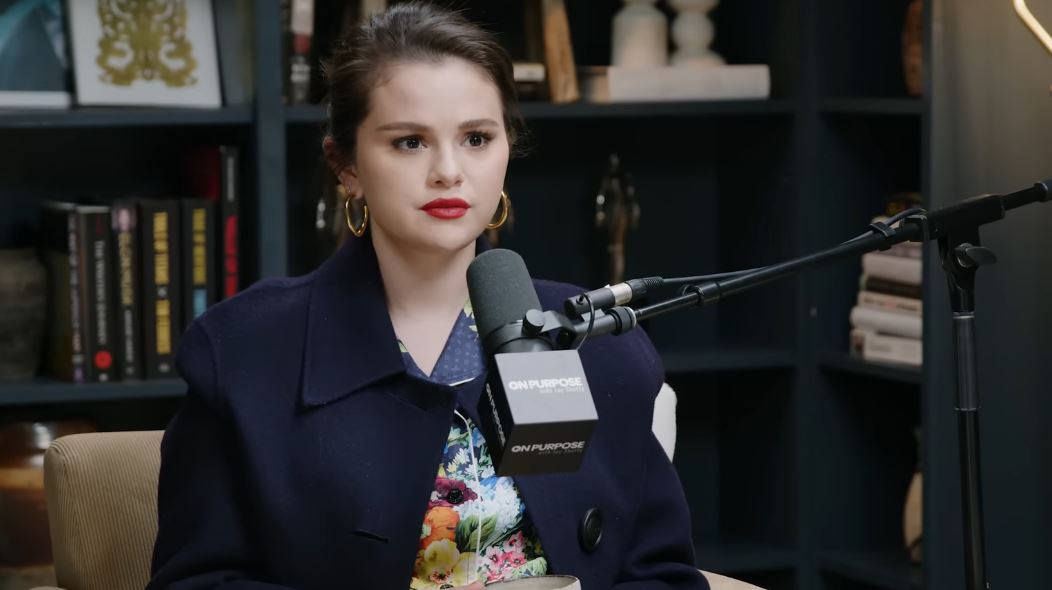

It is somewhat ironic that Selena Gomez’s mental health company is currently suing her in federal court, given that she has spent years cultivating an image as someone who speaks candidly about mental health. She co-founded Wondermind in 2021 with entrepreneur Daniella Pierson and her mother, Mandy Teefey, with the goal of promoting “mental fitness.” Rather, it is now the focus of a fraud lawsuit brought by investors who claim they invested close to $1.2 million in the business and received very little in return.
Two investment entities filed the lawsuit in Delaware federal court on August 13. It claims common-law fraud, securities fraud, and breach of contract. Gomez, Teefey, Pierson, and Wondermind itself are mentioned. However, it should come as no surprise that Gomez has garnered the most attention because she has the fan base, the tabloid coverage, and the name recognition that presumably gave investors the confidence to write checks in the first place.
In fact, that is essential to her defense. Gomez’s legal team argued in a motion filed on August 26 that she should be completely dismissed, claiming that she was not involved in Wondermind’s securities offerings, never managed Wondermind, and never communicated with investors. Mathew Rosengart, her lawyer, didn’t hold back when describing the fraud allegations as “completely meritless if not frivolous” and calling the notion that Gomez committed any wrongdoing “absurd.”
Separating the well-known name from the operational reality is a common defense tactic in business disputes involving celebrities. The filing states that Gomez served as Chief Impact Officer and was more of a consultant than an executive, while Teefey and Pierson led the company as co-CEOs and board members. In the court of public opinion, where founders and figureheads are frequently treated equally, whether or not that distinction holds up legally is a different story.
Clearly, the investors have a different perspective. According to their complaint, they were informed that Gomez would be “intimately involved” in marketing and would contribute her significant public profile to the brand’s development. They claim that they were promised celebrity-driven content, advertising partnerships, and a mental health app, all of which either stalled or never happened. Investors claim they didn’t realize how far things had strayed from what they had been sold until reports about the company’s internal strife appeared in Forbes and The Cut in 2025.
The way this type of story develops is almost predictable. When a celebrity lends her name and reputation to an endeavor, money comes in, expectations rise, and when the business falters, the most well-known individual involved becomes the target of lawsuits. It has happened to other star-backed startups in the past and is probably going to happen again. The judge will have to decide whether Gomez’s particular level of involvement was more akin to that of a “figurehead” or a “hands-off investor” in this case.
One noteworthy detail is that the plaintiffs cite an email from Pierson regarding the company’s expansion from December 2022, in which Gomez was copied. On the surface, her attorneys’ argument that being copied on an email does not equate to intentionally engaging in deception seems reasonable, but it will probably be refuted in subsequent filings.
Nothing has been decided as of yet. Regardless of Gomez’s personal fate, the larger case against Teefey, Pierson, and Wondermind continues. The court has not yet made a decision on the motion to dismiss. A brand based on vulnerability and trust is already suffering from the optics alone, though it’s still unclear how this will turn out.
