
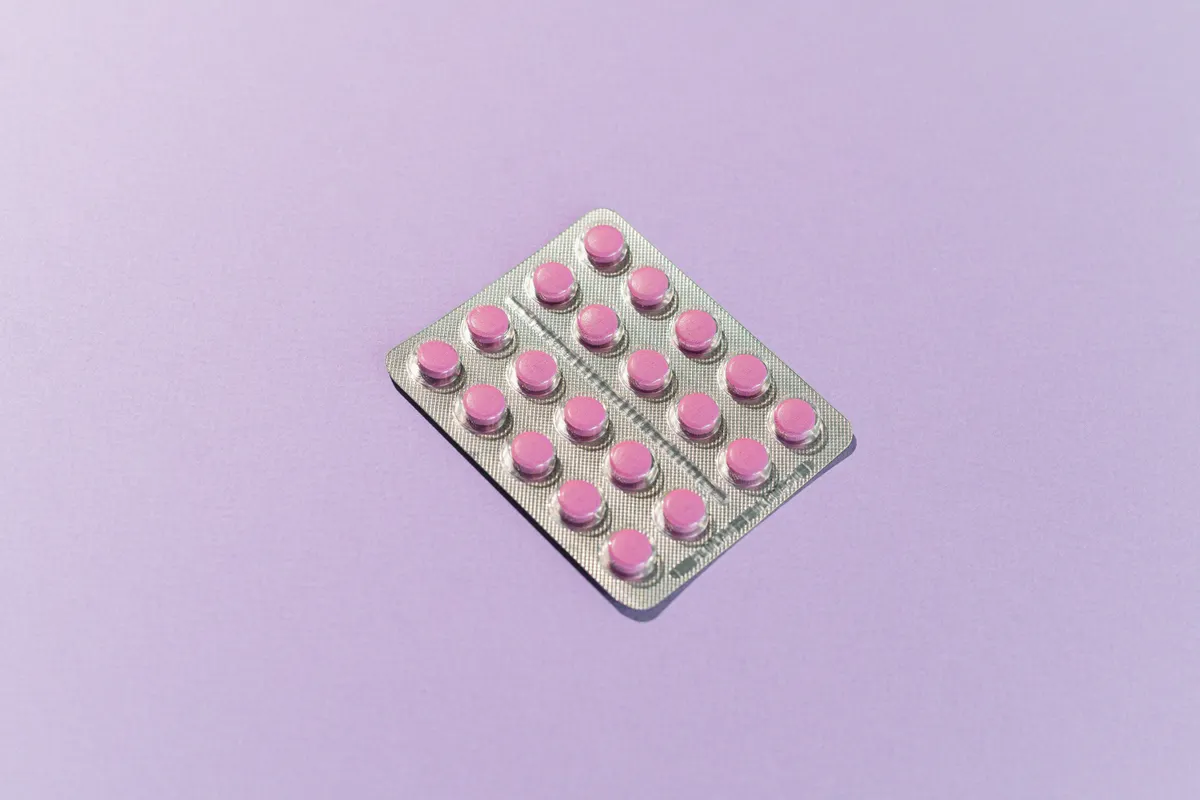

South Korea’s Ministry of Food and Drug Safety has announced a plan to grant the country’s first South Korea abortion pill approval by the first quarter of 2027, ending a regulatory vacuum that has persisted since the Constitutional Court of Korea struck down the nation’s criminal abortion ban in 2019.
The drug in question is Mifegymiso, a two-pill combination of mifepristone and misoprostol that features on the Korea Biomedical Review‘s reporting as the subject of a third product-approval application submitted in December 2024 by Hyundai Pharm, which holds an exclusive supply agreement with UK-based Linepharma. Previous applications were filed in 2021 and 2023. The product is included on the WHO Model List of Essential Medicines and has been authorised in more than 90 countries, including the United States and France.
Under the approved regimen, patients would take mifepristone first, followed by misoprostol 24 to 48 hours later, then return to a medical institution within seven to 14 days to confirm the outcome and check for adverse effects. Gender Equality and Family Minister Won Min-kyong told a press briefing that the drug will be available to women up to nine weeks pregnant.
For the first two years of availability, doctors will both prescribe and dispense the medication directly at hospitals. That arrangement will then give way to a split system in which doctors prescribe and independent pharmacies dispense.
The Nine-Week Limit and the WHO Gap
The proposed nine-week ceiling is three weeks shorter than the twelve weeks the World Health Organization considers the safe upper limit for medication abortion. Shin Jun-su, director general for pharmaceutical safety at the ministry, attributed the gap to the scope of clinical trial data submitted with the local drug application.
Prime Minister Han Seong-sook, announcing the plan at a government policy coordination meeting, said the measure was designed to let women ‘receive treatment within a safe medical system without relying on unverified methods.’ The reference to unverified methods reflects a documented pattern: since the court’s ruling, some women have obtained abortion drugs through unauthorised online channels.
South Korea Abortion Pill: The Legal Background
The 2019 judgment, decided 7-2 by the Constitutional Court, found a 66-year-old criminal ban to be an unconstitutional restriction on a pregnant woman’s right to self-determination. The case, as documented by PMC, originated from a criminal prosecution of a female doctor under Articles 269 and 270 of South Korea’s Criminal Act, which criminalised both women who procured their own miscarriage and doctors who performed abortions at a woman’s request.
The court ordered parliament to revise the law by the end of 2020. Lawmakers did not do so, and according to the Library of Congress, the invalidated criminal provisions lapsed on 1 January 2021, effectively decriminalising abortion by default. Three justices had gone further in a partial dissent: as recorded by the IACL-AIDC Blog, they argued that women should be able to obtain abortions through the end of the 14th week of pregnancy on demand and without conditions.
Parliament has still not formally amended the criminal code. That legislative inaction left the ministry’s current plan to proceed without the statutory revision the judgment required, and in March 2026 Amnesty International condemned the conviction of a woman who had undergone an abortion later in pregnancy, citing the National Assembly’s failure to align domestic law with the 2019 ruling.
Scale of Need and Divided Reactions
The Guttmacher Institute estimates that South Korea recorded approximately 260,000 abortions annually during 2015-2019, out of some 756,000 total pregnancies per year, of which 427,000 were unintended. More recently, the Korea Institute for Health and Social Affairs estimated 32,000 abortions in 2020, the large majority surgical rather than medication-based. The Korea Herald has reported that national estimates showed abortions declining sharply from 241,411 in 2008 to 23,175 in 2018 before rising again, reflecting a decade of shifting access and social attitudes.
Reactions to the announcement split along expected lines. The Korea Women’s Associations United called it ‘a first step toward supporting a safe ending of pregnancy’ but urged faster access and insurance coverage. The Catholic Bishops’ Conference of Korea said it had ‘deep concerns,’ warning the plan ‘will further entrench a disregard for human lives in our society.’ Religious groups separately indicated they intend to file a lawsuit challenging the drug’s approval.
As of 2024, roughly 101 countries permitted abortion pills, according to South Korea’s Ministry of Gender Equality and Family. In July, President Lee Jae Myung had instructed officials to explore allowing the two-drug regimen, lending political momentum to the process. Subject to any legal challenge from the threatened religious-group lawsuit, the ministry’s first-quarter 2027 target now represents the clearest statutory timeline South Korea has set for bringing medication abortion within a regulated medical framework.
