
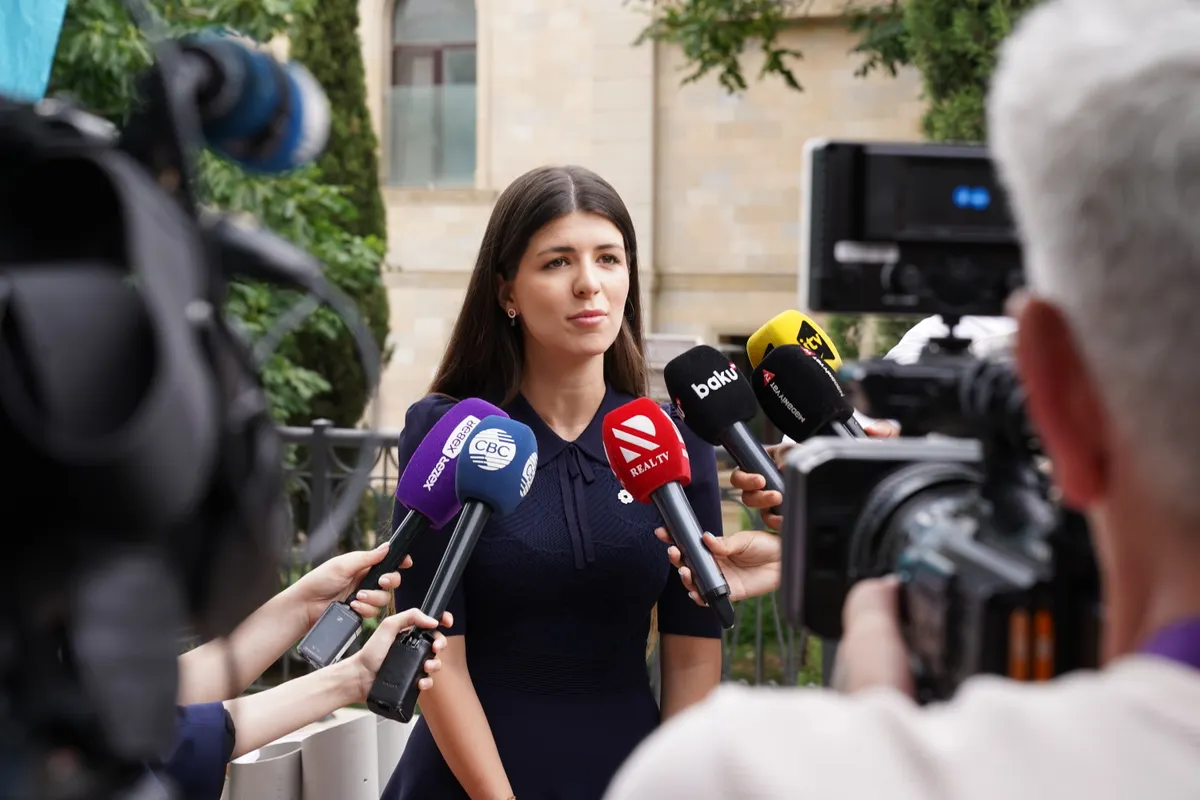

Trump’s White House press ban against CNN, MS NOW, and Politico has escalated a constitutional confrontation that is already before the federal courts, with a body of litigation and regulatory action now testing where the First Amendment draws its line on presidential press access.
President Trump announced last Friday that he was banning the three outlets ‘from the White House,’ adding that ‘other Fake News Media Outlets’ would follow. On Monday he sought to reframe the move, writing on Truth Social that ‘The White House is not instituting an assault on the Free Press… It is instituting an assault on the FAKE NEWS.’ Seth Stern, chief of advocacy at the Freedom of the Press Foundation, called it ‘difficult to imagine a more blatant violation of the First Amendment.’
The targeted outlets filed a First Amendment lawsuit, assigned to U.S. District Judge Timothy J. Kelly, a Trump appointee who has dealt with presidential press disputes before. During Trump’s first term, Judge Kelly issued a temporary restraining order restoring CNN reporter Jim Acosta’s press pass after the administration revoked it. The White House backed down and restored Acosta’s credentials before the First Amendment claims could be fully aired in court.
The White House Press Ban Widens: Lessons from the AP Case
The new bans extend a pattern that the Associated Press encountered in February 2025. On 11 February 2025, the White House indefinitely barred AP reporters from Oval Office briefings and Air Force One press pool events, citing the agency’s refusal to adopt ‘Gulf of America’ as its preferred name for the Gulf of Mexico. AP photographers retained access and reporters kept their press passes, but the reporting restrictions were sweeping.
The AP filed suit on 21 February 2025 in the U.S. District Court for the District of Columbia, naming Deputy Chief of Staff Taylor Budowich, Press Secretary Karoline Leavitt, and Chief of Staff Susie Wiles as defendants. At a hearing three days later, Judge Trevor N. McFadden declined to issue an immediate temporary restraining order but described the ban as conduct that ‘seems pretty clearly viewpoint discrimination’ and urged the White House to reconsider, according to the Reporters Committee for Freedom of the Press.
On 8 April 2025, Judge McFadden issued a 41-page preliminary injunction holding that ‘under the First Amendment, if the Government opens its doors to some journalists (be it to the Oval Office, the East Room, or elsewhere) it cannot then shut those doors to other journalists because of their viewpoints.’ The ruling was careful to clarify that it did not compel government officials to grant specific journalists one-to-one interview access. The administration appealed the following day.
The reinstatement was briefly contested in practice: shortly after the injunction was issued, an AP reporter and photographer were turned away from a motorcade covering a Trump appearance before the National Republican Congressional Committee before the order was implemented, the Associated Press reported.
On 6 June 2025, a three-judge panel of the U.S. Court of Appeals for the D.C. Circuit granted the administration’s request for a stay of McFadden’s ruling while a separate panel took up the full appeal. The full D.C. Circuit upheld that stay on 22 July 2025, drawing a distinction between ‘limited spaces’ such as the Oval Office and events open to all credentialled White House journalists. Oral argument before a panel comprising Circuit Judges Cornelia Pillard, Gregory G. Katsas, and Neomi Rao was heard on 24 November 2025; subject to any further order, no decision has yet been issued, according to the Knight First Amendment Institute, which filed an amicus brief arguing the ban constituted viewpoint-based exclusion from a limited public forum.
More than 30 news organisations backed the AP’s position. The Reporters Committee both wrote to the White House urging restoration of access and filed a brief in support of the preliminary injunction application.
Broadcast Licences, the FCC, and a $16 Million Settlement
The press-access disputes run alongside a broader regulatory campaign. FCC Chairman Brendan Carr has pursued licence-related pressure against broadcasters the administration views as hostile. In September 2025, Carr told a podcast host that Disney and ABC could ‘do this the easy way or the hard way’ following a joke from presenter Jimmy Kimmel that angered Trump and his allies. The Federal Communications Commission subsequently ordered Disney to file early licence renewals for its eight ABC broadcast stations, one day after Trump publicly demanded Kimmel be dismissed.
Paramount agreed to pay $16 million to resolve a related dispute, a figure reported in a congressional letter to Chairman Carr. Trump boasted of a ‘BIG AND IMPORTANT WIN’ against Paramount on Truth Social just two days before the FCC approved Paramount’s merger with Skydance, according to that FCC filing.
The FCC’s Enforcement Bureau also launched an investigation into NPR and PBS on the basis of alleged underwriting violations, despite neither organisation holding broadcast licences that would subject them to those rules, according to a letter filed with the FCC in March 2025.
Trump has separately threatened a $5 billion defamation lawsuit over news coverage he dislikes, arguing that even reporting on the effectiveness of his National Guard deployment in Washington can constitute actionable defamation. The D.C. Circuit’s ruling in Associated Press v. Budowich (docket 25-5109) will be the most consequential legal test yet of where presidential control over press access ends and the First Amendment begins.
