
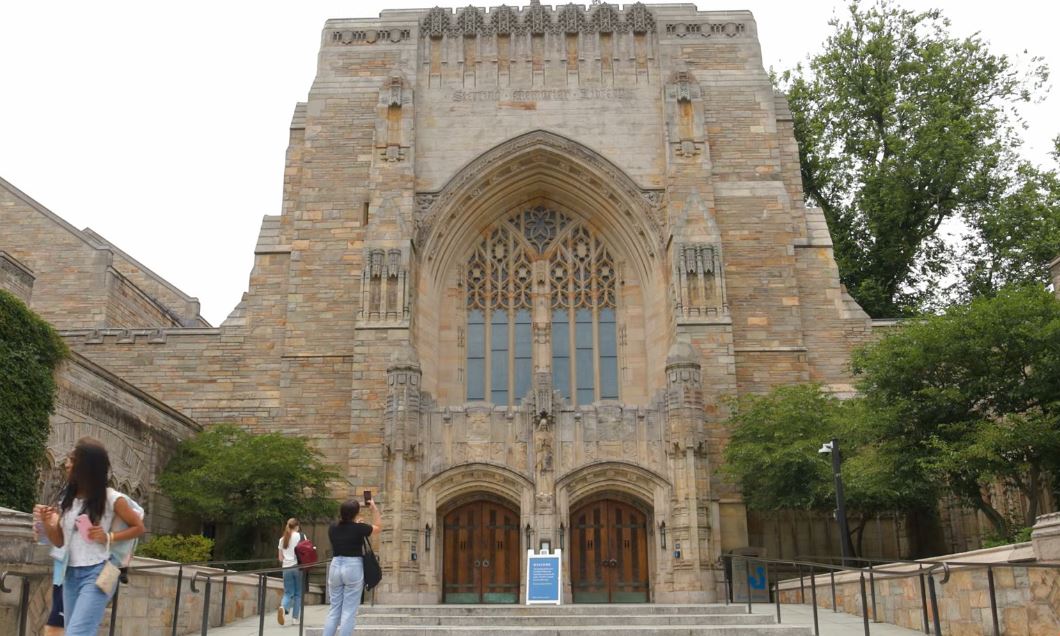

The fact that Yale, one of the nation’s oldest and most powerful universities, hired a law firm and initiated settlement negotiations in response to a federal investigation rather than engaging in combat is telling. Depending on who you ask, that could be either wisdom or surrender. And many people are asking at the moment.
When news broke in late June 2026 that the Department of Justice under the Trump administration had opened an investigation into Yale’s admissions procedures, the situation started to take shape in public. The DOJ claimed that Yale School of Medicine had “intentionally selected applicants based on their race,” giving Black and Hispanic applicants a statistically higher chance of admission than white or Asian applicants with comparable test scores. This was the initial focus of the investigation. Since then, Yale College and Yale Law School have been added to the investigation, though the government has not formally disclosed those details.
Yale responded quickly and, remarkably, quietly. The university hired McGuireWoods, a Virginia-based legal firm that previously assisted the University of Virginia in reaching a settlement with the DOJ in October 2025. According to reports, the settlement cost UVA over $1.8 million in legal fees. After its initial offer was turned down, Yale submitted a second settlement proposal to the Trump administration by the end of July. According to reports at the time, Yale came to the table primarily on its own initiative because neither proposal was accompanied by a demand from the federal government.
It’s difficult not to interpret that as a conscious decision to steer clear of Harvard’s course. Defying federal pressure to dismantle its diversity programs, Harvard engaged in a bloody, public standoff with the administration for months, consuming a significant amount of institutional energy. The White House called Harvard “strongly antisemitic” and demanded $1 billion in damages by February after the administration claimed to have reached an agreement with the university in September of last year, but nothing came of it. Yale appears to be observing that experience and making judgments, though it’s entirely debatable if those judgments are sound.
On September 1, Yale’s Cross Campus in New Haven was the site of a protest by hundreds of students, faculty, staff, and alumni. The demonstration was purposefully scheduled to coincide with “The University and Democracy,” a required orientation event for first-year students. The organizers obviously thought this juxtaposition was relevant.
Speakers included Yale history professor David Blight, who stated that the university should not compromise “under any circumstances,” and actor and Yale alumnus Sam Waterston, who told the audience that he had come because he didn’t want his alma mater to succumb to a bully. Waterston stated, “The great lesson of World War II was never give in to a bully,” while standing on a public sidewalk near campus. During the event, reporters were instructed to leave university property. The fact that journalists were turned away from an on-campus protest by university communications staff did not go unnoticed.
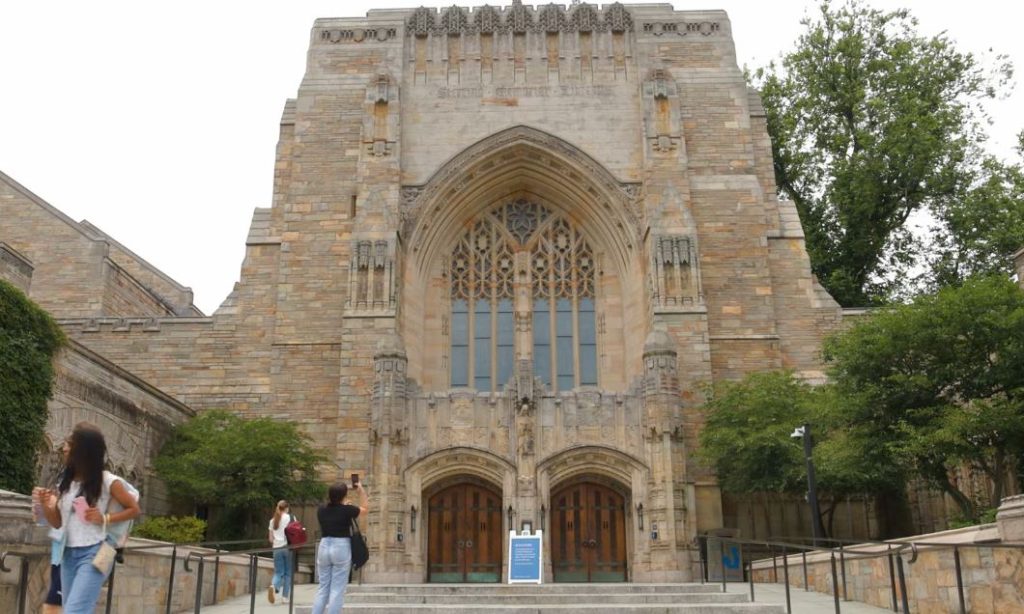
According to Alex Chen, president of Yale’s student body, students want a university that doesn’t give up control over admissions, doesn’t shield faculty from their own research, and stands up for its student body when necessary. Marah Rigaud, co-president of the Black Student Alliance, talked about how students are already burdened by a national dialog about whether or not they belong. Students who arrive on campus in September 2026 already carry that particular uncertainty, so there’s a subtle seriousness to that.
It’s still unclear if Yale will come to an agreement, what that agreement would entail, and whether any formal action will be taken as a result of the DOJ investigation into the law school and undergraduate admissions. The government rejected Yale’s initial offer and was considering the second, according to Senator Richard Blumenthal of Connecticut. State legislators have openly cautioned that a settlement might create a negative precedent, not only for Yale but also for colleges around the nation that are watching this unfold cautiously.
There is a perception that Yale is attempting to use a legal tool to resolve a political issue in the hopes that a negotiated settlement will restore some institutional stability. The question that appears to be plaguing the entire higher education sector at the moment is whether that trade is worthwhile, particularly given that the underlying federal claims are still up for debate.
