

When they click “purchase” on a digital game, the majority of PlayStation customers don’t give it any thought. The download bar appears, the price briefly flashes, and the game appears on the home screen and is ready to play in a matter of minutes. The $7.85 million Sony class action settlement is based on the claim that those low-key, seamless transactions weren’t as competitive as players thought. According to the lawsuit, Sony’s strict control over digital sales via the PlayStation Store and the lack of rival stores for its systems caused prices to rise above what they otherwise would have.
The window of eligibility is somewhat narrow. A US-based customer must have bought certain digital games from the PlayStation Store between April 1, 2019, and December 31, 2023—nearly five years that closely correspond to the PS4 era and the early PS5 wave—in order to be eligible. The Last of Us, Call of Duty: Classic, and Assassin’s Creed Chronicles: China are just a few examples of the games included in the settlement files.
The settlement administrators are anticipated to send notices to eligible gamers over the next few weeks as the covered list expands. There’s a good probability that anyone who made significant purchases within that window—especially during new-release weeks or seasonal sales—will be on the list.
| Sony PlayStation Settlement — Snapshot | Details |
|---|---|
| Defendant | Sony Interactive Entertainment |
| Settlement Amount | $7.85 million |
| Case Type | Class action over digital game pricing |
| Eligible Purchase Window | April 1, 2019 to December 31, 2023 |
| Eligible Platform | PlayStation Store |
| Sample Eligible Titles | The Last of Us, Call of Duty: Classic, Assassin’s Creed Chronicles: China |
| Geographic Scope | United States consumers |
| Claim Deadline | July 2, 2026 |
| Final Approval Hearing | October 15, 2026 |
| Required Documentation | Purchase receipt or transaction ID |
| Notification Methods | Email and postal mail from settlement administrators |
| General Reference Source | U.S. Courts class action portal |
The final approval hearing is set for October 15, 2026, while the claim submission date is July 2, 2026. Observing how these agreements usually play out gives the impression that a sizable portion of qualified buyers won’t bother submitting.
Class actions in the gaming industry typically have low claim rates, in part because most players have moved on to new accounts, new emails, and new consoles since the first purchase, and in part because the compensation per individual are tiny enough to feel like an afterthought. Finding those who weren’t paying close attention back then and might not be paying close attention today is essentially the administrators’ duty.
This case is intriguing because of the larger pattern it contains. Similar antitrust monitoring has been applied to Apple’s App Store for years, and the industry is currently feeling the effects of Epic Games’ 2020 lawsuit. Google’s Play Store has experienced pricing issues of its own. In retrospect, Microsoft’s ultimate choice to permit more open distribution on Xbox seems to have been a preemptive response to the trend of governmental pressure. This specific settlement is more significant than its monetary value would indicate since Sony, with the PlayStation Store, has continued to be the most insulated of the three big closed game ecosystems.
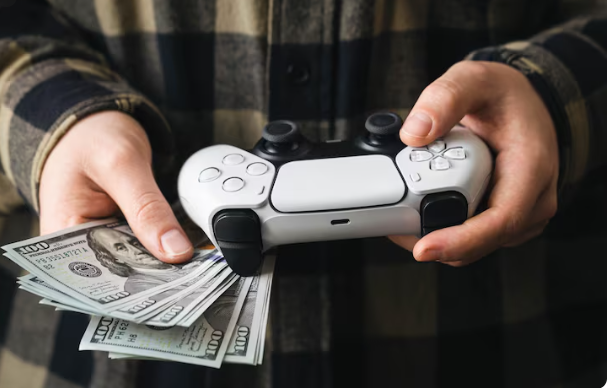
The practical counsel is unglamorous for individual gamers. Even if the email address isn’t the one being used right now, check the one that has been associated with the PSN account for years. Keep an eye out for a message with a distinct claimant ID. File the claim with the relevant transaction details as soon as the official settlement website goes available. The rewards won’t be very large. A single triple-A title at full price is unlikely to be affordable for them. However, the cumulative refund might significantly lower the cost of, say, a Game Pass-equivalent year of subscription payments for someone who made significant purchases between 2019 and 2023.
It’s difficult to ignore how infrequently the players who get these settlements truly feel like victors. A settlement like this one largely ignores the underlying issues around platform pricing, shop exclusivity, and the industry’s shift to digital exclusivity. Sony is going to pay, distribute, and move on. Nobody is yet able to respond to the question of whether the case influences the larger discussion over console retail pricing in the US. Checking the email, finding the receipts, and filing by July 2 is the tiny, manageable task for the time being.
